CE Certified Rack Storage Shelves: Factory & Suppliers for High-Performance Warehouses
A procurement-grade guide to documented compliance, factory-direct quality, scalable density, cold-chain performance and lifecycle support for modern storage projects.
Send an InquiryWhy CE Certified Rack Storage Shelves Are a Procurement Decision, Not a Price Comparison
For warehouse owners, 3PL operators and export manufacturers, rack storage shelves are not simple commodities. They are engineered structures that carry pallet loads, interact with forklifts and automated equipment, and must remain safe through years of daily use. That is why serious buyers compare documentation, load data, installation quality and lifecycle support before they compare unit prices.
In the racking market, the phrase “CE certified” is often used as a quality signal. In practice, buyers should look beyond the label. A credible factory or supplier should provide design calculations, manufacturing records, material traceability, load signage, installation guidance and a clear inspection regime. For projects in seismic regions, cold stores or high-throughput distribution centres, this documentation matters even more because the rack is part of the warehouse’s operational and safety infrastructure.
Real Nice Racks LLC supports buyers with engineering-led storage layouts that align with recognised racking standards, including EN 15512 for adjustable steel pallet racking, EN 15620 for floor tolerances, EN 15635 for use and inspection, and FEM 10.2.08 / EN 16681 for seismic design. For South American projects, layouts can also be coordinated with local requirements such as ABNT NBR 15524 in Brazil, NCh 433 and NCh 2369 in Chile, E.030 in Peru, NSEC-SE-DS in Ecuador and NSR-10 in Colombia.
- Load calculations based on your pallet weight, dimensions and handling equipment.
- Factory quality control with material and coating documentation.
- Layouts that can be upgraded for shuttle systems, AGVs or future automation.

Recommended CE-Focused Rack Storage Shelves for Different Load Profiles
These eight product directions cover selective pallet racking, drive-in density, adjustable shelving, heavy-duty industrial racks, multi-level storage and cantilever handling. Each product URL is preserved for direct sourcing and technical review.
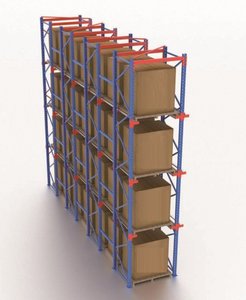
High Density Commercial Shelves Storage Warehouse Racking Systems Drive-In Pallet Rack for Industrial Factory Racks
Best for low-SKU, high-volume pallet storage where floor space must be converted into dense block storage.
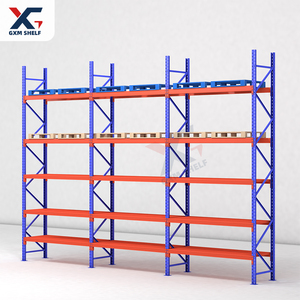
Heavy Duty Pallet Racking Warehouse Pallet System Pallet Storage Rack Heavy Duty Rack Shelf Heavy Duty Racking System
A flexible selective rack platform for mixed pallet sizes, fast access and high-load industrial warehouses.
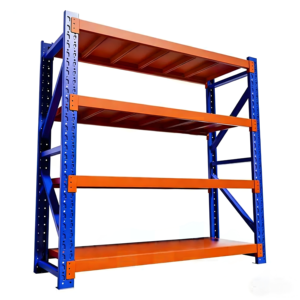
Customized 4-Tier Metal Storage Racks Steel Shelving Units with Corrosion Protection for Warehouse Home Office or Garage
Hand-loaded shelving for spare parts, cartons, tools and small-parts storage with corrosion-resistant finishes.
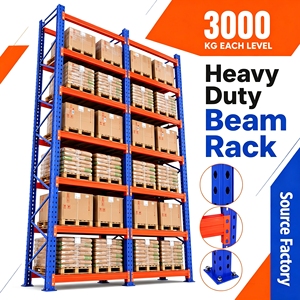
Factory Direct 3000kg High Load Metal Pallet Racking Industrial Steel Pallet Rack System for Warehouse Storage Heavy Goods
Engineered for heavy goods, dense industrial storage and buyers who need factory-direct load documentation.
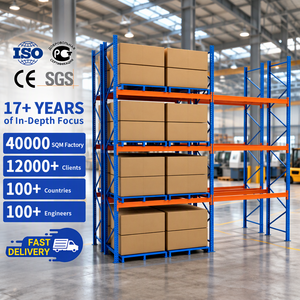
Heavy Duty Industrial Pallet Rack High Loading Multi-Level Metal Shelves Units Warehouse Steel Selective Pallet Racking System
Provides direct access to every pallet, making it ideal for multi-SKU warehouses and fast-moving inventory.
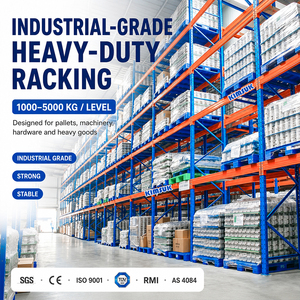
Heavy Duty Warehouse Racking Steel Pallet Storage Shelving, Adjustable Rack System with Easy Assembly for Factory
Adjustable beam levels support changing SKU profiles and staged expansion without replacing the full frame system.
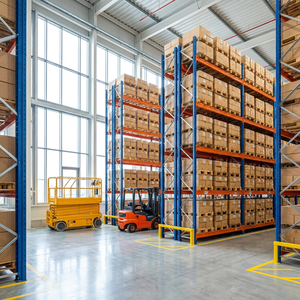
Q235B Steel Certificate Rack Size Certificate Heavy Duty Rack Multi Level Pallet Rack Warehouse Shelving
Material-certificate-focused multi-level racking for buyers who require traceability and heavier structural confidence.
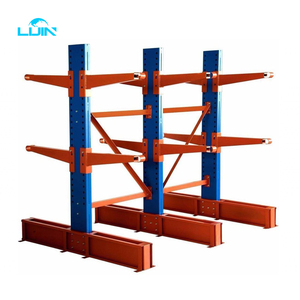
Heavy Duty Cantilever Racking System for Factory and Warehouse
Open-front storage for pipes, timber, profiles and long building materials that cannot be handled in standard pallet bays.
What a Serious CE Compliance File Should Contain
A logo or certificate alone is not enough. Buyers should request a technical file that proves the racking system is designed, manufactured and delivered for the actual project conditions.
Design Calculations
Calculations should reflect the rack configuration, steel section properties, beam load tables, pallet dimensions, clear height, floor tolerance and seismic zone. For adjustable pallet racking, EN 15512 is a common reference. Seismic projects should reference FEM 10.2.08 / EN 16681 and be coordinated with local codes.
Material & Factory Records
Ask for steel grade certificates, coating specifications, bolt and accessory data, and factory inspection records. For certain structural steel components, EN 1090 execution requirements may apply. Documents should match the delivered batch, not only a generic brochure.
Load Signage & Handover
Every bay should have clear capacity signage, and the handover file should include installation records, inspection guidance and safe-use limits. EN 15620 and EN 15635 provide useful references for tolerances, operation and inspection.
Future Procurement Trends for CE Certified Rack Storage Shelves: 2025–2030
Buyers are moving from “lowest price per bay” toward cost per usable pallet position, compliance evidence, energy performance and long-term reconfigurability.
1. Total Cost of Ownership
Procurement teams are calculating cost per pallet position, forklift cycle time, energy use in cold stores and inspection cost over ten years. A cheaper rack that blocks expansion or requires early repair is no longer considered a bargain.
2. Compliance-First Sourcing
Buyers increasingly require technical submittals before purchase orders: design calculations, steel certificates, load signs, installation method statements and inspection schedules. Digital document packs will become a standard supplier expectation.
3. High-Density and Cold-Chain Growth
Agro-exports, seafood, pharmaceuticals, e-commerce and nearshoring continue to push demand for drive-in, push-back, shuttle, mobile racking and freezer-ready systems. In land-constrained cities, density is now a strategic issue.
4. Factory-Direct Plus Local Engineering
A factory-direct supply model can improve cost and quality control, but it works best when paired with local site surveying, code coordination and installation supervision. Buyers want global manufacturing with regional accountability.
Product Development Trends: What the Next Generation of Rack Shelves Will Deliver
The strongest racking products are becoming more modular, easier to inspect, more automation-ready and better suited to cold, humid and seismic environments.
Modular, Reconfigurable Frames
Racking designs are moving toward interchangeable upright frames, beam levels and accessories that support future layout changes. This reduces the risk of stranded assets when SKU profiles, pallet sizes or throughput requirements change.
Automation-Ready Interfaces
Modern projects increasingly anticipate shuttle systems, AGVs, AMRs and WMS-directed picking. Suppliers must provide accurate load data, rail tolerances and interface dimensions so the rack can support phased automation without a full rebuild.
Cold-Store and Corrosion Performance
Freezer environments, humid coastal warehouses and food-processing plants require careful coating selection, drainage awareness and materials that perform at low temperatures. Mobile racking can also reduce refrigerated air volume and energy demand.
Lower-Carbon and Circular Design
Steel-intensive products face growing scrutiny. Buyers will ask about recyclable content, coating durability, repairability, spare-part availability and the ability to relocate racking between facilities instead of scrapping it.
Selecting the Right Rack Storage Shelves: Density, Selectivity and Speed
The right choice depends on pallet count, SKU profile, handling equipment, building height and acceptable forklift cycle time. The chart below is an illustrative comparison, not a fixed performance guarantee.
For a practical recommendation, provide the warehouse location, floor plan, clear height, pallet dimensions, load per pallet, forklift type, SKU velocity and any seismic or cold-store requirement. These inputs allow the supplier to compare layouts and avoid over-specifying steel or under-sizing the system.
Why Real Nice Racks LLC Is a Reliable Factory & Supplier Partner
Our strength is not only the product range; it is the ability to connect factory production with engineering, documentation, logistics and lifecycle service for demanding storage environments.

Engineering-Led Layouts
Every layout starts with real data: pallet profiles, SKU velocity, clear height, forklift type, floor condition and future growth. This reduces wasted space and supports safer operations.
Seismic and Cold-Chain Expertise
We support projects in seismic markets and cold-chain hubs, coordinating rack design with local code expectations and operational realities such as refrigerated air volume and condensation control.
Documented Quality
Projects can include structural calculations, load signage, material documentation, installation supervision and inspection guidance, helping procurement teams build a complete technical file.
Lifecycle Service
From initial survey to installation, inspection, repair and capacity upgrades, the storage system is supported beyond the point of delivery, protecting the investment over time.
From Inquiry to Installation: A Five-Stage Supply Process
A disciplined process keeps budgets, documentation and installation timelines under control, especially for multi-country projects.
Survey
Warehouse data, pallet profiles, floor plan and operational constraints.
Design
Layout options, structural calculations and capacity comparison.
Factory Production
Steel fabrication, coating, accessories and quality inspection.
Export & Delivery
Packing, shipping and documentation for the destination port.
Install & Support
Installation supervision, handover, inspection and future upgrades.
Factory & Supplier Due Diligence Checklist
Before approving a rack storage shelf supplier, verify these four areas. They often reveal more than a catalogue or a price list.
Load-Specific Calculations
Confirm that calculations match your pallet weight, beam span, upright height and seismic zone, not a generic sample layout.
Steel & Coating Records
Request material certificates, coating specifications, bolt data and factory QC records for the delivered batch.
Installation & Inspection Plan
Ask how the installer will verify plumb, level, anchors, beam locks and load signage before handover.
Spares & Local Support
Check access to replacement beams, uprights, safety clips and inspection support after the project is complete.
FAQ: CE Certified Rack Storage Shelves Factory & Suppliers
Clear answers to the questions procurement teams ask most often when comparing racking factories, suppliers and technical proposals.
Does a CE certificate alone guarantee that a racking system is safe?
No. Safety depends on correct design for the actual loads, floor conditions, handling equipment and seismic zone, as well as proper installation and inspection. A credible supplier should provide calculations, load signage, material records and a clear inspection plan. Buyers should treat CE-related claims as part of the evidence package, not the whole package.
Can you supply rack storage shelves for cold stores and freezer warehouses?
Yes. Rack systems can be specified for chilled and frozen environments, including corrosion-resistant finishes and design details for low-temperature operation. Mobile racking and high-density systems are especially valuable in cold stores because they can reduce the refrigerated air volume and improve pallet storage density inside the same building envelope.
Can pallet racking be designed for seismic zones in South America?
Yes. Seismic design can reference FEM 10.2.08 and EN 16681 while coordinating with local requirements such as NCh 433 and NCh 2369 in Chile, E.030 in Peru, NSEC-SE-DS in Ecuador and NSR-10 in Colombia. Base plates, anchors, bracing and beam connectors should be specified for the site’s seismic zone and soil conditions, with final review by a locally licensed engineer where required.
Can an existing warehouse be upgraded instead of building a new one?
Often, yes. Retrofit strategies may include re-layouts, narrow-aisle configurations, drive-in or push-back racking, mobile racking, mezzanines and improved vertical utilisation. High-density racking can unlock additional capacity within the same footprint, avoiding the cost and delay of new construction. The first step is a site survey and data review.
What information should I provide to receive an accurate quote?
Share the warehouse location, floor plan, clear height, pallet dimensions, load per pallet, handling equipment type, SKU velocity, required temperature range and any local code or seismic requirement. Photos and existing racking details are also useful. With these inputs, the supplier can propose layouts and prepare a more reliable technical and commercial offer.
How are factory-direct racking projects delivered and installed?
A typical process includes site survey, engineering, factory production, export packing, shipment to the destination port, supervised installation and handover with load signage and inspection documentation. Lead times depend on design approval, material availability, project size and shipping schedules, so they should be confirmed after the technical scope is defined.
Get an Engineered Recommendation and Factory Quote
Send your warehouse location, floor plan, clear height, pallet size and weight, handling equipment and target capacity. Our team can compare selective, drive-in, mobile, shuttle, shelving and cantilever options so you can source with the right balance of compliance, density, cost and future flexibility.
Send an Inquiry