Eight Storage Products for Pallet Flow Rack and High-Density Warehouse Projects
Start with the handling profile, then match pallet flow rack lanes with selective racking, cantilever, mobile racking or heavy-duty pallet racking. These products support mixed projects for distributors, 3PL operators and warehouse integrators.
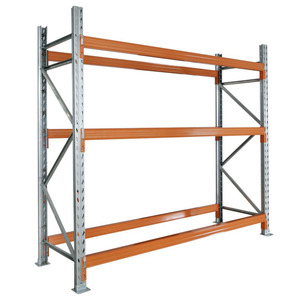
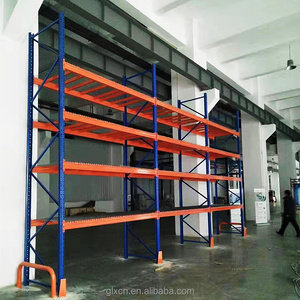
NOVA Full Automatic Warehouse Q235 Steel Boltless Store Heavy Duty Stacking Rack Industrial Storage Pallet Racking System
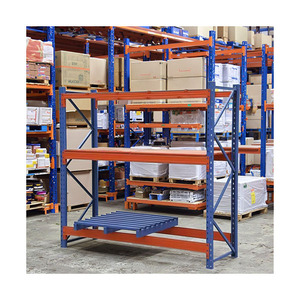
Selective Pallet Racking System Stable Modular Steel Distribution Center Warehouse Storage Rack 2000kg Heavy Duty
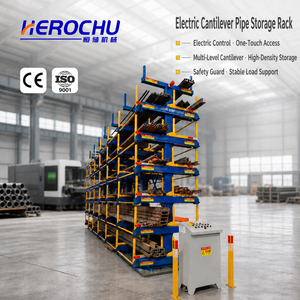
Electric Cantilever Rack Automated Retrieval System Foldable Q235B Carbon Steel Pipe Storage for Industrial Long Materials
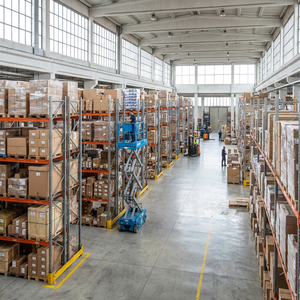
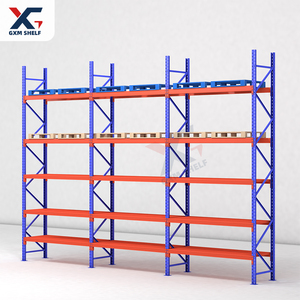
Professional Heavy Duty Pallet Rack Supplier Warehouse Storage System Manufacturer
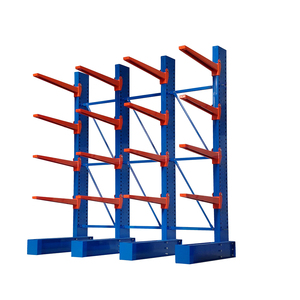
Industry Warehouse Steel Structural Pipe Rack Cantilever Rack for Pipe / Lumber Storage
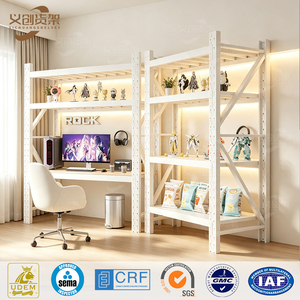
Low Price Racking Adjustable Metal Boltless Shelf and Racks Warehouse Storage Medium Duty Metal Rack Shelf
What Makes a Top China Pallet Flow Rack Supplier Different
A pallet flow rack is not a catalogue shelf. It is a gravity-driven FIFO storage system whose performance depends on lane slope, roller pitch, pallet quality, brake rollers, separators and loading discipline.
Pallet flow rack — also called gravity flow rack or pallet flow live storage — stores pallets on inclined roller lanes. Pallets are loaded at the rear and retrieved at the front, creating first-in, first-out rotation with high storage density and fewer aisles. That makes the system valuable for date-coded food, beverage, pharmaceutical and cold-chain inventory where FIFO accuracy matters as much as cube utilisation.
For wholesale buyers, the real question is not simply “who offers the lowest price per bay?” It is “which supplier can prove lane performance at the requested load, temperature and throughput?” Our China pallet flow rack supply approach starts with pallet dimensions, load weight, bottom-deck condition, forklift or AGV type, clear height, ambient or freezer temperature, and the required replenishment cycle.
- Lane design reviewed against load, pallet quality, roller pitch and braking requirements
- High-density FIFO flow combined with selective, push-back, drive-in or mobile racking where appropriate
- Documentation, load signage and export packing prepared for inspection and installation planning

High-density storage planning requires real pallet data, not assumptions about average load weight.
Data Points That Guide Pallet Flow Rack and High-Density Storage Decisions
Warehouse teams compare density, access, temperature, handling and support before choosing a flow rack layout. These benchmarks show the value of engineering the system around the operation.
Which Storage System Fits Your Throughput, SKU Profile and Building?
Use these recommendations to align pallet flow rack with supporting systems. A mixed layout often delivers the most practical balance of selectivity, density, cost and future expansion.
Pallet Flow Rack for Date-Coded Inventory
Ideal for food, beverage, dairy and pharmaceutical stock where first-in, first-out rotation is mandatory. Rear loading and front picking reduce aisle count while protecting rotation discipline.
- High-density FIFO storage
- Brake rollers and speed control selected by load
Carton Flow Pick Modules
For split-case picking, carton flow shelves and pick modules bring SKUs to the pick face. Combine with pallet flow reserve storage to replenish fast-moving lines efficiently.
- Fast pick-face replenishment
- Better space use for medium and small parts
Push-Back Racking for Reserve Stock
Use push-back where LIFO access is acceptable and medium-density storage is needed. It reduces aisle count and suits seasonal inventory, buffer stock and high-volume reserve pallets.
- Compact reserve storage
- Good fit for steady SKU families
Drive-In Racking for High-Volume SKUs
When a limited number of SKUs occupy many pallets, drive-in racking can compress storage into a smaller footprint. It is best for stable, low-turnover inventory rather than fast-moving mixed SKUs.
- High pallet density
- LIFO or FIFO configuration depending on lane design
Mobile Racking for Freezers and Chillers
Mobile pallet racking reduces the number of working aisles, which cuts refrigerated air volume and energy use. It is effective where land is expensive and cold storage capacity is constrained.
- Aisle opens on demand
- Useful for fruit, seafood, meat and dairy hubs
Cantilever Racking for Pipes, Lumber and Profiles
Cantilever racking stores long or bulky materials without obstruction at the front. It suits steel service centres, timber yards, pipe warehouses and construction material suppliers.
- Open-front access
- Single- or double-sided configurations
Pallet Flow Rack Wholesale Solutions for Real Warehouse Operations
Different industries place different demands on pallet flow rack design. We review the inventory profile, temperature, equipment and service level before recommending a layout.
Food & Beverage
FIFO lanes support date-code rotation, batch traceability and rapid replenishment for dry goods, dairy, drinks and packaged foods.
Cold Storage & Freezers
Freezer-ready materials, condensation-aware detailing and dense layouts help reduce refrigerated volume and improve energy efficiency.
3PL & E-commerce
Mixed SKU storage, pick modules and modular racking allow 3PL operators to adapt quickly as client volumes and service requirements change.
Manufacturing & Automotive
Heavy-duty pallet racking, cantilever and pull-out units support dies, components, pipes and spare parts with safe crane or forklift access.
What Pallet Flow Rack Buyers Will Value in the Next Procurement Cycle
Warehouse buyers are shifting from one-off price comparisons to supplier capability, documented performance and lifecycle cost. The strongest wholesale partners will make those factors visible before the order is placed.
Total Cost of Ownership Over Lowest Unit Price
Procurement teams increasingly compare installation time, rack protection, brake replacement, inspection frequency and capacity expansion potential. A lower-priced lane that needs frequent maintenance can cost more over ten years than a properly engineered system.
Traceable Documentation and Supplier Verification
Buyers now request load tables, steel specifications, welding quality records, coating data and inspection checklists. Export projects also require packing lists, installation drawings and clear handover documentation. Traceability is becoming part of the purchase price.
Modular Wholesale Programs for Omnichannel Growth
Instead of buying a fixed system, distributors and 3PLs prefer modular racking that can shift from selective to flow, push-back or mobile layouts. Standardised uprights, beams, rollers and brakes simplify future expansion and spare-part planning.
How Pallet Flow Rack Technology Is Evolving
Flow rack innovation is no longer only about steel strength. It is about controlled movement, colder environments, digital planning and smoother integration with automated handling.
Better Braking, Sensing and Lane Control
Brake rollers, speed controllers and separation devices are being refined to protect pallets and reduce impact. Future systems may include lane sensors and digital twin models that simulate pallet weight, roller pitch and replenishment flow before installation.
Energy-Efficient Cold Storage Design
Freezer warehouses demand corrosion protection, low-temperature lubricants and materials that behave predictably in condensation. Dense flow storage and mobile racking reduce refrigerated air volume and energy use per pallet.
Interfaces for AGVs, Shuttles and WMS
Pallet flow rack is increasingly planned alongside AGV lanes, shuttle systems and warehouse management software. Clear dimensions, load data and access points make it easier to upgrade from manual picking to semi-automated or automated handling later.
Engineering Discipline Behind a China Pallet Flow Rack Wholesale Program
Our storage engineering approach draws on the project capabilities of Real Nice Racks LLC: site survey, structural design, export manufacturing support, installation supervision and lifecycle service. That background is valuable for buyers who need more than a supplier list.
Standard-Led Engineering
Static racking design is aligned with EN 15512, floor tolerances with EN 15620, inspection guidance with EN 15635, and seismic design with FEM 10.2.08 / EN 16681 where applicable.
Seismic and Cold-Chain Readiness
Base plates, anchors, bracing and connectors can be specified for seismic zones and freezer conditions. Local code references may include NBR 15524, NCh 433, E.030 and NSR-10 depending on the project location.
Full Project Lifecycle
Support can cover site survey, layout comparison, structural calculations, manufacturing checks, export packing, shipment planning, installation supervision, rack inspection and future capacity upgrades.
Multilingual Export Support
Technical support is available in English, Spanish and Portuguese, with experience supporting projects across South America and other export markets with port, documentation and installation requirements.
From Pallet Data to Export Delivery and Long-Term Support
A clear project sequence reduces rework and helps wholesale buyers compare quotations on the same technical basis.
Analyse
Review the building, clear height, floor condition, pallet dimensions, load weight, SKU velocity, temperature and handling equipment.
Design
Compare layouts, calculate lane performance and specify uprights, beams, rollers, brakes, separators, anchors and seismic details.
Manufacture & Check
Coordinate steel production, coating, dimensional checks, load signage, packing lists and export-ready documentation.
Deliver & Support
Plan shipment, support installation, complete handover documentation and provide inspection or expansion guidance after commissioning.
Frequently Asked Questions from Pallet Flow Rack Buyers
These answers address the technical, procurement and export questions most often raised by distributors, warehouse managers and system integrators.
What is a pallet flow rack, and when is it better than selective pallet racking?
Pallet flow rack uses inclined roller lanes to move pallets from the loading end to the picking end. It is better than selective racking when you need high-density FIFO storage, strong date-code rotation and fewer working aisles. Selective racking remains better where 100% immediate access to every pallet is the highest priority.
Can you customise load capacity, dimensions, roller pitch and braking for a pallet flow rack project?
Yes. Lane design should be based on pallet dimensions, bottom-deck condition, load weight, temperature, forklift or AGV type and replenishment frequency. Roller pitch, brake rollers, speed controllers, separators, lane length and steel profiles can be specified to match the load and operating environment.
Are your storage systems suitable for cold storage and freezer warehouses?
Yes. Cold storage and freezer-ready options can be specified for chilled and frozen environments down to approximately −30°C. The design should consider condensation, material behaviour, low-temperature brake components, coating protection and the reduced air volume created by dense storage layouts.
How do you handle seismic zones and local building codes?
For seismic areas, racking can be calculated with reference to FEM 10.2.08 and EN 16681, then coordinated with local requirements such as NCh 433 or NCh 2369 in Chile, E.030 in Peru, NEC-SE-DS in Ecuador and NSR-10 in Colombia. Base plates, anchors, bracing and connectors are specified for the site’s seismic zone and soil conditions, with review by a locally licensed engineer where required.
What documentation and quality assurance do wholesale buyers receive?
Documentation can include layout drawings, load capacity tables, structural calculation references, load signage, packing lists, installation guidance and inspection records. For export projects, we also coordinate shipping marks, port delivery information and handover documents so the buyer can verify the system against the approved specification.
How do I request a pallet flow rack quotation and what details should I provide?
Provide the warehouse location, floor plan, clear height, pallet dimensions, load per pallet, pallet condition, temperature range, SKU profile, daily throughput, forklift or AGV type and any local code requirements. With those details, the supplier can recommend lane configuration, racking type, capacity and a realistic delivery scope.
Plan a Pallet Flow Rack Project with a Supplier That Understands Engineering, Export and Lifecycle Support
Share your pallet dimensions, load weight, temperature, throughput and building data. We will help match pallet flow rack, selective racking, mobile racking or cantilever systems to your warehouse — with clear specifications, export packing and a practical path from quotation to commissioning.