China Export Intelligence

China Top Warehouse Pallet Shelving Systems Exporters & Wholesalers

An engineering-led sourcing guide for importers comparing pallet racking, warehouse shelving, cold-chain storage and high-density systems from China — with the documentation, standards and lifecycle support that serious projects demand.

20%Potential capacity gain on the same footprint through high-density planning
100%Pallet accessibility with mobile racking when the correct aisle is opened
-30°CCold-store configurations for chilled, frozen and export cold-chain projects
3Project languages: English, Spanish and Portuguese for export coordination
Search Intent & Market Context

Why China Became the Global Sourcing Hub for Warehouse Pallet Shelving Systems

The search phrase “China top warehouse pallet shelving systems exporters & wholesalers” is not a simple price query. It usually signals a buyer comparing supplier depth, load data, material specifications, export packing, compliance documents and long-term service capability.

China’s advantage is no longer only manufacturing scale. The strongest Chinese exporters combine cold-rolled steel supply, powder-coating capacity, boltless tooling, ODM/OEM flexibility, container-loading expertise and a mature industrial racking supply chain. For importers, that can mean faster prototyping, competitive landed cost and access to multiple pallet shelving formats within one supplier relationship.

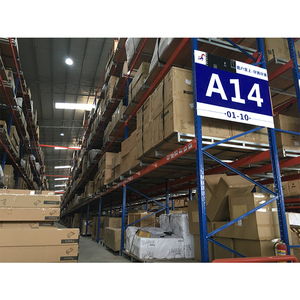
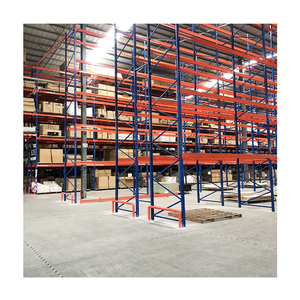
But not every catalogue wholesaler is an engineering-led exporter. A pallet shelving system becomes a warehouse asset only when it is matched to pallet dimensions, load per pallet, clear height, forklift type, aisle strategy, fire layout, floor tolerance, seismic zone and the operating climate. A cheap quotation without beam capacity tables, upright load tables, base-plate details and installation drawings creates hidden risk.

For high-intent buyers, the better question is not “Who has the lowest price per unit?” but “Which exporter can document the specification, protect the shipment, support installation and stay accountable after handover?” That shift explains why semantic search now rewards content that demonstrates real engineering experience rather than keyword repetition.

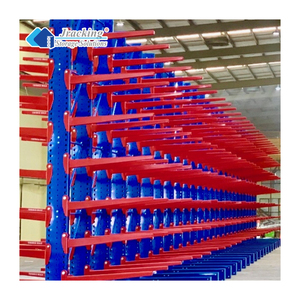
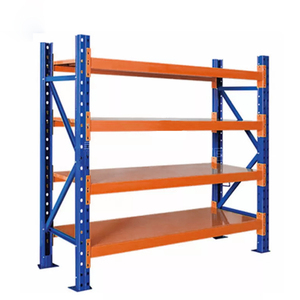
An engineering-led China export partner should provide more than finished steel. It should help you compare selective racking, push-back, gravity flow, cantilever, mezzanine and mobile systems against throughput, storage density and future automation. It should also clarify what is feasible under local building codes and what must be reviewed by a licensed structural engineer in the destination country.
Supplier Evaluation

How to Compare a Catalogue Wholesaler with an Engineering-Led Exporter

Both models can be legitimate, but they solve different problems. A price-only wholesaler may suit a standard spare-parts order. A project with loads, safety signage, cold-chain exposure or seismic requirements usually needs an exporter that can produce verifiable engineering outputs. Use this comparison as an RFQ checklist.

Evaluation area Price-only wholesale model Engineering-led export model What to ask for
Design review Standard catalogue dimensions, limited load-fit analysis. Layout options, beam and upright capacity checks, clear-height optimisation. Load table, layout drawing and technical assumptions.
Standards Reference to “heavy duty” without calculation notes. EN 15512-aligned design logic with EN 15620 and EN 15635 guidance where applicable. Design standard, tolerance and inspection documentation.
Seismic & cold chain Generic anchors and coating; site risk not addressed. Base plate, anchor, bracing and coating details reviewed against climate and seismic assumptions. Local code, seismic zone, temperature and corrosion data.
Export packing Basic bundling with variable container loading. Shipment plan, protected beams, labelled hardware and packing list aligned to installation sequence. Packing list, loading plan and damage inspection procedure.
Installation Product arrives with limited site guidance. Supervised installation option, annotated drawings, torque/anchoring checks and handover records. Installation scope, supervision terms and sign-off checklist.
Lifecycle One-off transaction. Spare parts, rack inspection, damage assessment, repair and future capacity upgrades. Spare-part list, inspection interval and upgrade path.
Enterprise Advantages

What an Engineering-Led China Export Team Should Bring to Your Project

An export order only becomes a warehouse system when engineering, manufacturing and documentation align. Our operating model is built around practical project discipline: understand the load, document the design, control the export packing and stay available after handover.

The same engineering logic used in demanding South American warehouse projects — seismic zones in Chile and Peru, cold stores in Ecuador and Argentina, high-throughput distribution centres in Brazil — applies to export projects worldwide. That means every proposal starts with operating data, not a generic catalogue page.

  • Engineering-first layout review: pallet profile, load per pallet, beam levels, forklift type, clear height and throughput logic are checked before quotation.
  • Standards-aligned design: EN 15512-aligned static calculations, EN 15620 floor tolerance considerations, EN 15635 inspection guidance and FEM 10.2.08 / EN 16681 seismic reference where required.
  • Seismic-ready and cold-chain capable: base plates, anchors, bracing, material toughness and coating systems are specified against site conditions rather than generic assumptions.
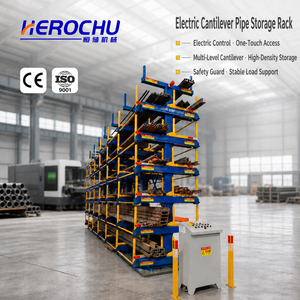
  • High-density and automation path: selective, push-back, gravity flow, P90-style high-density layouts, MOVO-style mobile racking, electric cantilever and automation-ready interfaces can be compared before investment.
  • Lifecycle service: site survey, data analysis, layout design, production, export packing, supervised installation, load signage, inspection records, repairs and capacity upgrades.
  • Multilingual project support: English, Spanish and Portuguese coordination for technical queries, shipping documents and installation planning.

For buyers handling fruit, seafood, meat, dairy, automotive parts, mining consumables or e-commerce pallets, this combination of manufacturing depth and documentation discipline is what separates a long-term supplier from a one-time trading intermediary.

Installation team assembling certified warehouse pallet racking
EN / FEM / local-code coordination for export projects
Procurement FAQ

Questions Global Buyers Ask China Pallet Shelving Exporters

These answers are written for importers, distributors, system integrators and warehouse owners who need a practical RFQ conversation rather than a generic sales brochure.

What information should I send with an RFQ for warehouse pallet shelving?

Share warehouse location, floor plan, clear height, pallet dimensions, load per pallet, handling equipment, throughput, ambient or cold-store conditions, seismic zone and target completion date. This lets the exporter return a layout, load table, bill of materials and realistic lead time instead of a catalogue price.

Can China exporters design pallet racking to EN 15512 or local seismic codes?

Yes, but verify the engineering chain. Ask for design calculations, beam and upright capacity tables, base-plate and anchor details, and project references. For seismic zones, clarify how FEM 10.2.08 or EN 16681 is applied alongside local requirements such as NCh 433, E.030, NEC-SE-DS or NSR-10.

Are pallet shelving systems suitable for freezer and cold storage warehouses?

With the right steel specification, coating, anchoring and installation detailing, yes. For temperatures down to approximately -30°C, specify material toughness, corrosion protection, condensation management and compatible handling equipment. Mobile racking can also reduce refrigerated air volume and energy load.

How do MOQ and lead time work for an export order?

MOQ depends on system type, finish, customisation and packing method. Standard selective racking may have lower thresholds than electric cantilever or automated systems. Lead time typically includes drawing approval, steel production, powder coating, export packing and ocean freight; agree the project schedule before deposit.

What after-sales support should I expect from a China-based exporter?

At minimum, request installation drawings, load signage, inspection checklists, spare-parts lists and a named technical contact. For larger projects, supervised installation, periodic rack inspection, damage assessment and future capacity upgrades separate an engineering-led exporter from a catalogue wholesaler.

Can an existing warehouse be retrofitted instead of building new?

Usually, yes. Re-layouts, push-back, drive-in, shuttle, mobile racking, mezzanines and narrower aisles can add capacity within the same building envelope. High-density systems can unlock up to 20% more storage capacity in suitable projects, but the existing floor slab, fire strategy and forklift fleet must be checked.

Project Review

Turn Your Warehouse Data into a Competitive Export Specification

Before you compare another container price, send the operating facts that determine the right pallet shelving system: pallet size, load, clear height, handling equipment, climate, country, seismic zone and growth plan. A clear RFQ helps a qualified China exporter respond with a layout, load data and an export-ready bill of materials.

Contact Us

Include these details for a faster technical review

  • Warehouse location, floor plan and available clear height
  • Pallet dimensions, load per pallet and required beam levels
  • Forklift, reach truck or AGV type and aisle constraints
  • Ambient, chilled or freezer operating conditions
  • Seismic zone, local code and required documentation
  • Target capacity, throughput and future automation plan