China Wholesale Warehouse Racking System Manufacturer & Exporters
Engineering-led pallet racking, shelving, mezzanine and mobile storage systems for importers, distributors and warehouse projects—documented to recognized standards and supported through the full lifecycle.
8 Warehouse Racking Systems for Global Importers
Compare selective pallet racking, mezzanine platforms, electric mobile racking, heavy-duty adjustable racks and cantilever storage. Each product below retains its original product URL so engineers, distributors and procurement teams can move from comparison to specification without losing context.
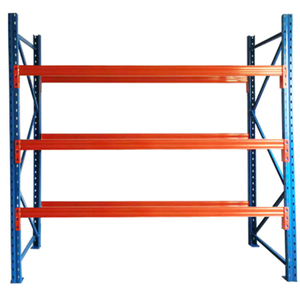
Mracking Industrial Warehouse Pallet Racking Shelving System
Industrial selective pallet racking for multi-SKU warehouses, with adjustable beams and a modular growth path.
View product details →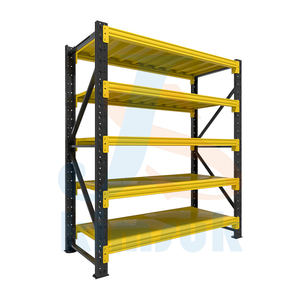
Garage Warehouse Rack Adjustable Storage Stacking Racks Pallet Steel Metal Shelving Shelves
Adjustable steel shelving and stacking rack for garages, retail backrooms and small-parts storage.
View product details →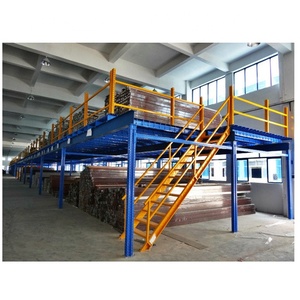
Mezzanine Shelf Storage Heavy Duty Rack System Metal Racks Warehouse Mezzanine Platform
Heavy-duty mezzanine platform that adds picking, packing or office space inside an existing building.
View product details →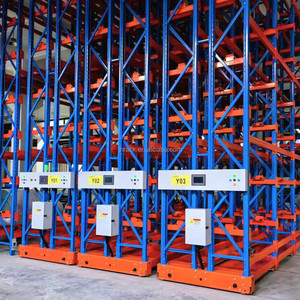
Industrial Heavy Duty High Efficiency Warehouse Electric Mobile Storage Shelf Automatic Mobile Racking System Pallet Rack
Electric mobile pallet racking for high-density storage and cold-chain efficiency, with on-demand aisle access.
View product details →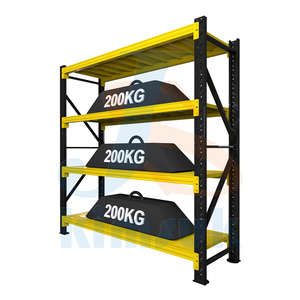
Warehouse Heavy Rack Ing Warehouse Storage 19 Pallet Rack System for Racking Rack Shelf Factory Shelf
Factory-oriented pallet rack storage system for warehouses needing durable beam-and-upright configurations.
View product details →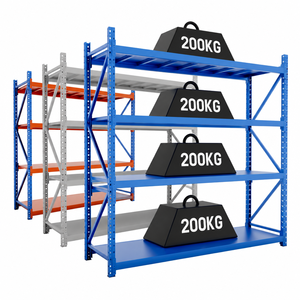
Factory Direct 4-Layer 100/200/300kg Medium Heavy Duty Pallet Racking System Steel Adjustable Long Span Warehouse Storage Racks
Factory-direct 4-layer medium/heavy-duty long-span racking for adjustable warehouse storage.
View product details →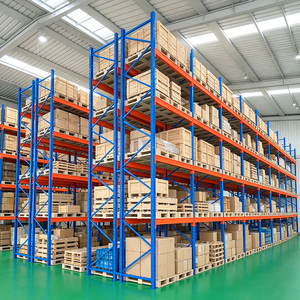
Industrial Heavy Duty Pallet Rack 1000-5000KG Load Capacity Warehouse Storage Racking System with Adjustable Shelves
Heavy-duty pallet rack with 1,000–5,000 kg load capacity and adjustable shelves for industrial storage.
View product details →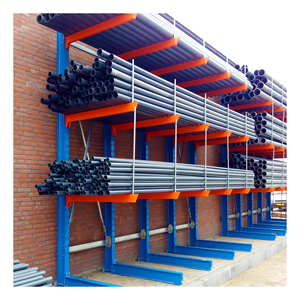
China Wholesale Industrial Warehouse Heavy Duty Single Side Cantilever Rack
Single-side cantilever rack for pipes, timber, profiles and long goods in wholesale warehouses.
View product details →Why the Right China Wholesale Racking Exporter Changes Project Risk
China wholesale warehouse racking is a globally competitive category, but the lowest quotation is rarely the lowest total cost. A pallet rack is a safety-critical structure: upright capacity, beam-to-upright connections, base plates, anchors, bracing, floor tolerance and load signage all affect how safely and productively a warehouse operates. When buyers compare manufacturers and exporters, they should compare the engineering evidence behind the offer, not only the steel weight.
The challenge is that many catalogues look identical. A quotation may list “selective pallet racking, 4 levels” without stating the upright section, beam section, load per pair, deflection limit, coating, anchor type or seismic assumption. That is why experienced procurement teams now qualify suppliers through technical submittals, sample calculations, factory references, packing standards and after-sales procedures. Information gain comes from those details.
Real Nice Racks supports wholesale racking sourcing with an engineering-led model developed through warehouse projects in Brazil, Chile, Peru, Colombia, Argentina, Ecuador, Uruguay and Paraguay. That experience matters beyond South America because the same project disciplines—seismic verification, cold-chain performance, port logistics, multilingual support and lifecycle inspection—apply to importers in other regions.
- Data before drawings: pallet dimensions, load per pallet, SKU velocity, clear height, forklift type, floor condition and destination code.
- Documented compliance: EN 15512, EN 15620, EN 15635, FEM 10.2.08 / EN 16681, with local alignment where required.
- Export readiness: protected packing, container loading plans, installation drawings and load signage.
- Lifecycle thinking: inspection, repair, expansion and retrofit instead of a one-off shipment.
For a buyer, the practical question is simple: can the exporter explain why the system is safe, how it will be installed and how it will be expanded without replacing the whole warehouse?
Contact Us
Engineered layouts start with real pallet data, clear height and handling equipment—not a generic bay count.
Recommended Warehouse Racking Systems by Application
The best wholesale racking choice depends on how pallets move, how much selectivity is required and whether the constraint is floor area, height, temperature or long-goods handling. These recommendations connect the product range above to common buying scenarios.
Selective Pallet Racking for Fast-Moving SKUs
For 3PL multi-client operations and fast-moving distribution, selective racking preserves direct access to every pallet. Start with Mracking industrial pallet racking or heavy-duty adjustable racking where load weights vary. Compare upright capacity, beam locking, aisle width and future bay expansion—not just price per bay.
Mezzanine Platforms for Space-Constrained Warehouses
A mezzanine platform is often the fastest way to add picking, packing, spare-parts or office space without constructing a new building. Validate floor loading, fire strategy, access stairs, column grid and integration with existing racking. Use standard modules so future expansion does not require a bespoke structure.
Electric Mobile Racking for Cold Stores
Electric mobile racking suits cold stores, high-rent urban warehouses and high-density distribution. MOVO-style systems reduce aisle count while keeping full pallet access. In frozen environments, fewer aisles reduce refrigerated air volume, which can lower energy demand. Confirm floor flatness, rail tolerance and condensation control before ordering.
Cantilever Racking for Long and Bulky Goods
Cantilever racking is designed for pipes, profiles, timber and building products. Single-side cantilever suits wall-side storage; double-side improves throughput in central aisles. Specify arm capacity, arm spacing, base length, coating and outdoor protection if relevant. For building-material yards, cantilever is usually more efficient than converting pallet racking.
Procurement Trends Shaping China Wholesale Racking Purchases
Buying behaviour is shifting from one-off price comparison to supplier qualification, technical evidence and lifecycle cost. These trends are especially relevant for importers planning warehouse capacity over the next five to ten years.
Engineering-Led RFQs Are Replacing Bay Counts
Buyers now send CAD floor plans, pallet load diagrams, throughput assumptions, floor tolerance data, seismic zone and existing rack details. Suppliers that respond with layouts, load calculations and clear exclusions move faster through procurement. A simple “number of bays” quote is becoming a warning sign rather than a convenience.
Consolidated Suppliers Reduce Multi-Country Risk
Distributors prefer one qualified partner for pallet racking, mezzanine, mobile racking and cantilever because a single engineering language reduces interface risk. Multi-country projects also value common spare parts, installation manuals, load signage and inspection formats across shipments.
High-Density and Cold-Chain Investment Continues
Land and energy costs push buyers toward mobile racking, drive-in, push-back, shuttle and narrow-aisle systems. The commercial case is strongest when every additional pallet position is compared over a 10–15-year life, not against the first container price. Cold-chain projects add temperature, condensation and access constraints.
Documentation Is Becoming a Purchase Condition
Insurers, auditors, safety managers and fire engineers increasingly request standards references, anchor calculations, load signs and inspection records. A supplier unable to provide them creates hidden costs during handover and insurance review. Documented compliance is now part of product value.
Product Development Trends: What the Next Racking Generation Will Deliver
Warehouse racking is evolving from a steel catalogue item into a modular, data-rich storage asset. The strongest systems will be easier to expand, document, inspect and adapt to climate and automation requirements.
Modular High-Density Platforms
P90-style platforms allow a warehouse to evolve from selective racking to drive-in, push-back, shuttle or mobile racking as volumes change. Modularity reduces stranded capital and lets buyers phase investment instead of committing the entire building to one handling model on day one.
Mobile and Semi-Automated Storage
MOVO mobile racking and semi-automated storage machines are bridging manual and fully automated operations. They are relevant where labour is scarce, land is expensive or picking accuracy is critical. The practical advantage is incremental automation without rebuilding the warehouse envelope.
Climate-Specific Engineering
Cold-store racking, corrosion protection for humid ports, seismic bracing for the Pacific belt and ventilation-aware designs for tropical environments are becoming project-specific rather than optional add-ons. Buyers should expect temperature, humidity and seismic assumptions to appear in the technical submittal.
Sustainability and Material Efficiency
The most sustainable pallet position is often the one added through retrofit or higher density instead of new construction. Less steel per pallet, better vertical use and lower refrigeration volume are becoming measurable buying criteria alongside price, lead time and warranty.
Enterprise Advantages That Support Wholesale Racking Exports
The original company strengths are directly relevant to wholesale buyers: engineering before quotation, documented standards, seismic and cold-chain experience, high-density platform knowledge, export packing and lifecycle support.
Engineering Before Quotation
The project model begins with site survey, SKU and throughput data, pallet profiles, floor and seismic assessment. Layout options and capacity comparisons are developed before a final bill of materials is issued, so the buyer can see the trade-offs between selectivity, density and cost.
Standards and Local Code Fluency
Design references can include EN 15512, EN 15620 and EN 15635, with seismic methodology from FEM 10.2.08 / EN 16681 and alignment to ABNT NBR 15524, NCh 433, NCh 2369, E.030, NEC-SE-DS or NSR-10 depending on the project location.
Seismic-Ready and Cold-Chain Capable
Base plates, anchors, bracing and beam connectors can be specified for seismic zones and soil conditions. Cold-store systems are engineered for chilled and frozen environments down to approximately -30°C, which suits fruit, seafood, meat and dairy export hubs.
P90 and MOVO Know-How
High-density P90 layouts can unlock up to 20% more storage capacity on the same footprint in suitable projects. MOVO mobile racking adds full pallet accessibility with an on-demand aisle and can reduce refrigerated air volume in cold stores.
Export Packing and Port Delivery
Projects are packed for export and shipped to ports such as Santos, Callao, San Antonio, Buenos Aires, Cartagena, Guayaquil and Montevideo, with drawings, labels and installation documentation prepared for receiving teams and local installers.
Lifecycle Service and Retrofit
Support continues after handover through inspection, damage repair, capacity upgrades and retrofit planning. Technical support is available in English, Spanish and Portuguese for regional teams, distributors and warehouse operators.
From Inquiry to Installed Racking System
A clear project sequence keeps wholesale racking procurement predictable, especially when shipments cross ports and installation is handled by local teams.
Analyse
Site survey, SKU and throughput data, floor and seismic assessment.
Design
Layout options, structural calculations and capacity comparison.
Manufacture
Quality-controlled steel production and export packing.
Deliver & Install
Shipment to the nearest port and supervised installation.
Support
Rack inspection, repairs, training and capacity upgrades.
Warehouse Racking Procurement FAQ
Common questions from importers, distributors and warehouse engineers evaluating China wholesale warehouse racking system manufacturers and exporters.
What information should a buyer send for an accurate quotation?
Send the warehouse location, CAD or PDF floor plan, clear height, pallet dimensions, load per pallet, handling equipment, floor condition, seismic zone and target capacity. For cold stores, include operating temperature and insulation details. For retrofit projects, add photos, existing rack dimensions and inspection reports. The more complete the data, the more comparable the quotation.
How can I verify load capacity and safety standards before ordering?
Ask for upright and beam load tables, deflection assumptions, anchor specifications, base plate design, beam locking details, load signage and, where relevant, seismic calculations. Confirm which standards the design follows—typically EN 15512 for static racking, EN 15620 for floor tolerances and EN 15635 for use and inspection—and how local codes will be addressed.
Can warehouse racking be designed for seismic zones and freezer environments?
Yes. Racking for seismic regions is specified with site-specific bracing, base plates, anchors and connector details, coordinated to local requirements such as NCh 433 in Chile, E.030 in Peru, NEC-SE-DS in Ecuador or NSR-10 in Colombia. Freezer racking is designed for chilled and frozen conditions down to approximately -30°C, with suitable coatings and condensation-control measures.
What are the typical MOQ, lead time and shipping considerations?
MOQ depends on the system and production run. Selective pallet racking projects often start with a complete bay set; mobile and mezzanine systems are project-engineered. Lead time is confirmed after drawings, deposit and material availability. Export packing should protect uprights, beams and accessories for container or break-bulk shipment. Confirm Incoterms, loading port, unloading responsibility and installation scope in writing.
Can you support installation, inspection and warehouse retrofit?
Yes. Project delivery can include installation supervision, handover documentation, load signage and inspection schedules. Retrofit projects may combine re-layouts, higher-density systems such as drive-in, push-back, shuttle or mobile racking, and mezzanine floors. In suitable projects, high-density racking can deliver up to 20% more storage capacity within the same building footprint.
How should buyers compare quotations from different manufacturers and exporters?
Compare the cost per safe, accessible pallet position, not the cost per beam. Check steel sections, coating, anchors, load tables, drawings, packing, warranty, installation scope, spare parts and after-sales inspection. Confirm whether the price includes load signage, technical documentation and supervision. A lower quotation that excludes engineering or safety items is often more expensive over the system lifecycle.
Plan Your Warehouse Racking System with an Engineering-Led Exporter
Share your warehouse location, floor plan, clear height, pallet size, load per pallet and handling equipment. Our team will help you compare selective, high-density, mobile, mezzanine and cantilever options, and prepare a wholesale racking proposal with documented assumptions. For urgent projects, include target capacity, port of destination and required delivery date.
Contact UsNo obligation. Technical review is based on the data you provide.