Eight Warehouse Pallet Rack Products Ready for Wholesale Programs
From adjustable selective racking to shuttle systems and heavy-duty multi-level storage, these product families give distributors, 3PLs and integrators a practical base for private-label, container-load and project-based supply.
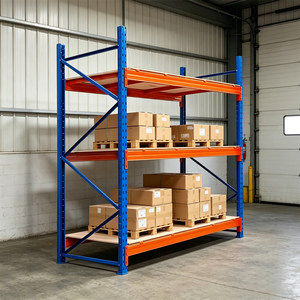
Powder Coated Heavy Duty Rack Industrial Warehouse Storage Pallet Racking Adjustable Industrial Shelves
Adjustable beam-and-upright racking for mixed pallet sizes. Powder-coated finish, custom heights and load capacities make it a practical OEM/ODM workhorse for general warehouse storage and wholesale distribution.
View Product Details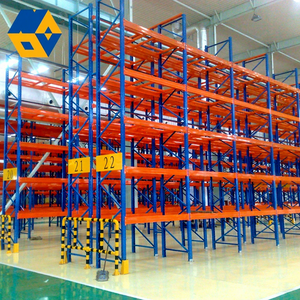
Customized Competitive Industrial Warehouse Storage Steel Heavy Duty Pallet Rack
Value-engineered heavy-duty steel racking built to buyer drawings, load tables and finish specifications. Ideal for container-load wholesale programs, private-label supply and regional distribution centres.
View Product Details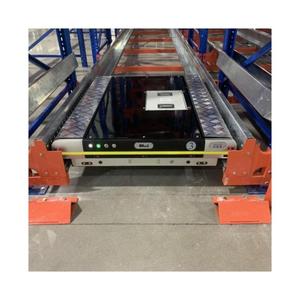
Custom Warehouse Steel Rack Large Capacity Material Shelves Automatic Storage Shuttle Pallet Racking With CE
Shuttle pallet racking for high-density storage and semi-automated pallet movement. Custom layouts help reduce aisle loss while preserving access for fast-moving SKUs and export distribution programmes.
View Product Details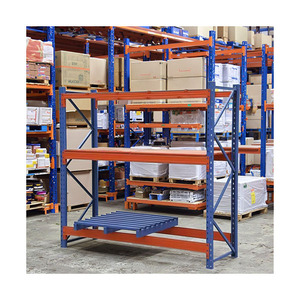
Selective Pallet Racking System Stable Modular Steel Distribution Center Warehouse Storage Rack 2000kg Heavy Duty
Modular selective racking with stable frame design and up to 2000 kg load capacity. A reliable standard for distribution centres that need direct access to every pallet and straightforward future expansion.
View Product Details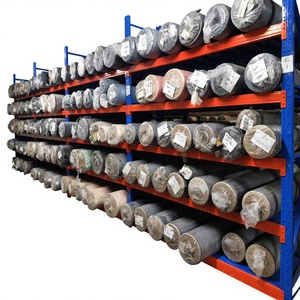
Super Load-Bearing Commercial Steel Multi-Level Powder Coated Medium Duty Storage Rack for Supermarket Warehouse
Multi-level steel shelving and storage racking for supermarkets, spare-parts stores and commercial backrooms. Powder coating and adjustable levels improve durability, visibility and day-to-day flexibility.
View Product Details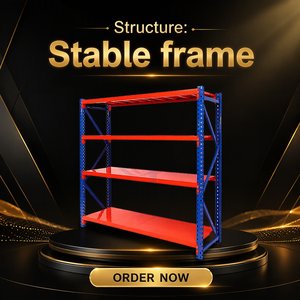
Heavy Duty Steel Selective Pallet Rack 5 Layer Load Capacity 1000kg Industrial Storage Rack
Five-layer selective pallet racking for industrial storage with 1000 kg load capacity. A cost-effective solution for fast-moving inventory, retail replenishment, factory stores and wholesale stockholding.
View Product Details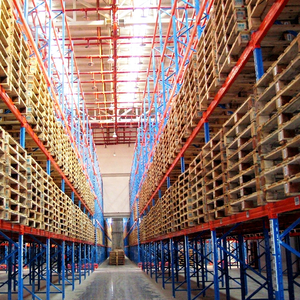
Manufacturer Heavy Duty Warehouse Shelving/storage Pallet Rack /selective Heavy Duty Racking System
Manufacturer-direct selective pallet racking for heavy warehouse loads. Custom beam lengths, upright heights, accessories and safety add-ons support OEM/ODM branding and multi-site project rollouts.
View Product Details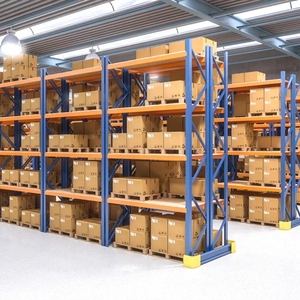
Racks Steel Storage Shelf Industrial Factory Stacking Rack Shelving Heavy Duty Warehouse Pallet Racking System
Industrial factory stacking rack and heavy-duty pallet racking system for dense, organised storage. Suitable for manufacturing plants, 3PL warehouses, spare-parts stores and export distribution programmes.
View Product DetailsWhy Buyers Choose Our OEM/ODM Pallet Rack Supply Model
Real Nice Racks LLC combines storage engineering, export-ready manufacturing coordination and lifecycle support. For procurement teams, that means one partner for custom design, documentation, packing and after-sales service.
Our approach is built around the variables that decide whether a racking project succeeds: pallet profiles, SKU velocity, forklift type, clear height, floor tolerance, seismic zone and future automation plans. Instead of quoting a generic catalogue item, we help buyers translate warehouse data into a layout that can be priced, approved, installed and inspected with confidence.

Engineering-Led Customization
Site survey, pallet profile, clear height, forklift type and seismic zone are reviewed before a layout is finalised. This reduces rework and protects long-term operating efficiency.
Compliance Documentation
Designs reference EN 15512, FEM 10.2.08 / EN 16681, EN 15620 and EN 15635, with coordination to local codes such as ABNT NBR 15524, NCh 433, NCh 2369, E.030, NSR-10 and NEC-SE-DS.
Cold-Chain & Energy Efficiency
Chilled and freezer systems down to approximately -30°C suit fruit, seafood, meat and dairy export hubs. Mobile racking reduces aisle volume and refrigeration load.
Lifecycle Service
Support continues after handover with rack inspection, damage repair, training and capacity upgrades. Procurement teams get a documented system, not just delivered steel.
Recommended OEM/ODM Pallet Rack Configurations by Application
The right racking system depends less on the product name and more on selectivity, density, load profile and handling equipment. Use these three configurations to shortlist the most suitable option before requesting engineering calculations.
Selective Pallet Racking for Mixed-SKU Wholesale
Best for distributors, 3PLs and spare-parts warehouses that need direct access to every pallet. Adjustable beams support changing SKU heights, while modular frames simplify future extension.

High-Density P90 for Space-Constrained Distribution
A strong choice for warehouses facing rising land costs in São Paulo, Santiago, Lima or Bogotá. Drive-in, push-back and shuttle options can help unlock more pallet positions without new construction.

MOVO Mobile Racking & Cold Storage
Mobile racking moves on rails to open a single aisle where needed, keeping direct access while reducing refrigerated air volume. Well suited to fruit, seafood, meat and dairy export facilities.
Pallet Rack Procurement Trends B2B Buyers Will Prioritise
Purchasing decisions are shifting from lowest unit price to total lifecycle value. For OEM/ODM and wholesale buyers, the winning suppliers will be those who can prove engineering quality, compliance and long-term support.
Total Cost of Ownership Beats Low Price
Buyers now compare engineering hours, freight, installation, inspection, spare parts and future relocation costs. A racking quote that cannot be documented often becomes the more expensive option.
Seismic & Local Code Evidence
Tenders in Chile, Peru, Ecuador and Colombia increasingly require site-specific seismic calculations, anchor design and local engineer review. Compliance proof is becoming a procurement filter.
Cold-Chain Energy Efficiency
As refrigeration costs rise, high-density and mobile systems gain attention. Fewer aisles can mean less air to chill, lower energy consumption and more pallet positions inside the same insulated envelope.
Automation-Ready Design
Even buyers starting with manual operations want racking that can later accept shuttles, AGVs or semi-automated storage. Future-ready layouts avoid costly replacement when volumes grow.
Modular OEM/ODM Programs
Wholesalers want private-label packaging, consistent load tables, spare-part kits, container optimisation and repeatable specifications. Modular supply protects brand quality across multiple projects.
ESG & Circular Design
Low-carbon steel, durable powder coating, bolted frames and design for disassembly are moving into tender documents. Reusable racking supports relocation, expansion and waste reduction.
Product Development Trends Shaping Next-Generation Pallet Racks
Racking is becoming more engineered, more modular and more connected to the wider material-handling system. The following trends are particularly relevant to OEM/ODM buyers planning multi-year product ranges.
Hybrid Selective & High-Density Layouts
Warehouses increasingly split storage into zones by SKU velocity: selective racking for fast movers and high-density systems for slower, bulkier stock. This balances access speed with space efficiency.
Stronger Steel, Lower Weight
Improved roll-forming and section design help achieve higher load capacity with efficient steel use. For export buyers, strength-to-weight ratio affects freight cost and installation productivity.
Digital Load Signage & Inspection Records
Load signage, capacity tables and inspection records are becoming part of the delivered product, not an afterthought. Clear documentation supports safety audits, insurer reviews and maintenance planning.
Cold-Store & Corrosion-Resistant Finishes
Freezer warehouses, port environments and humid climates demand finish specifications that resist corrosion. Powder coating, galvanising and hardware selection are now evaluated at design stage.
Mobile Racking & Shuttle Integration
Rail-guided mobile bases and pallet shuttles are becoming practical options beyond very large warehouses. They help reduce aisle loss and support phased automation without replacing the entire racking structure.
Design for Disassembly & Reuse
Bolted frames, standard components and modular accessories make racking easier to relocate, extend or resell. This is a commercial advantage for wholesalers supporting customers through warehouse changes.
Safety You Can Document — Not Just Promise
Price-only quotes hide risk. A pallet rack is a structural system; it must respond to pallet load, beam deflection, upright capacity, floor tolerance, seismic zone and operational impact. Our documentation gives procurement teams a defensible basis for approval, installation and long-term inspection.
Static steel racking is designed in line with EN 15512, with floor tolerances per EN 15620, operation and inspection guidance per EN 15635, and seismic design per FEM 10.2.08 / EN 16681. In Brazil, projects are aligned with ABNT NBR 15524; in South America's Pacific seismic belt, calculations are coordinated with local requirements such as NCh 433 and NCh 2369 in Chile, E.030 in Peru, NEC-SE-DS in Ecuador and NSR-10 in Colombia.

What to Send for a Fast OEM/ODM Quote
Buyers who provide complete project data usually receive a faster, more accurate layout and a lower total-cost outcome because the design does not need to be reworked. Use this checklist before contacting our engineering team.
Warehouse Location
City, country and seismic zone so local codes and anchor requirements can be checked early.
Floor Plan & Clear Height
Building dimensions, column positions, floor slab condition and available vertical clearance.
Pallet Size & Load
Pallet length, width, height, weight per pallet and whether loads are stable for high-bay storage.
SKU Velocity
Fast, medium and slow movers, plus FIFO or LIFO requirements, to balance selectivity and density.
Handling Equipment
Forklift type, lift height, aisle requirements and whether AGVs or shuttles are planned.
Finish & Branding
Powder-coat colour, private-label requirements, export packing and spare-part kit expectations.
From Site Survey to Long-Term Support
A clear five-stage project approach keeps budgets predictable and timelines realistic — even for multi-country rollouts.
1. Analyse
Site survey, SKU and throughput data, floor condition and seismic assessment.
2. Design
Layout options, structural calculations and capacity comparison for approval.
3. Manufacture
Quality-controlled steel production, finish inspection and export packing.
4. Deliver & Install
Shipment to the nearest port and supervised installation with documented handover.
5. Support
Rack inspection, repairs, training and capacity upgrades for the life of the system.
OEM/ODM Warehouse Pallet Rack FAQ
Practical answers for procurement, engineering and distribution teams evaluating a factory-direct or wholesale racking programme.
Can you manufacture OEM/ODM pallet racks under our brand?
Yes. OEM/ODM programmes can include custom dimensions, load capacities, powder-coat colours, private-label documentation, export packing and spare-part kits. The design is developed from your pallet profile, clear height, handling equipment and target market, so the product can be repeated across multiple projects.
Which design standards do your storage systems follow?
Static steel racking is designed in line with EN 15512, with floor tolerances per EN 15620, operation and inspection guidance per EN 15635, and seismic design per FEM 10.2.08 / EN 16681. In Brazil, projects are aligned with ABNT NBR 15524 for selective pallet racking. Load signage, capacity tables and inspection records are supplied with every installation.
Can pallet racking be designed for seismic zones in Chile, Peru, Ecuador and Colombia?
Yes. Racking for the Pacific seismic belt is calculated with reference to FEM 10.2.08 and EN 16681, and coordinated with local requirements such as NCh 433 and NCh 2369 in Chile, E.030 in Peru, NEC-SE-DS in Ecuador and NSR-10 in Colombia. Base plates, anchors, bracing and beam connectors are specified for the site's seismic zone and soil type, with local engineer review when required.
Do you supply racking for cold storage and freezer warehouses?
Yes. Cold storage pallet racking, mobile racking and high-density systems are specified for chilled and frozen environments down to approximately -30°C. These systems suit fruit, seafood, meat and dairy export hubs in Chile, Peru, Ecuador, Argentina and Brazil. Mobile racking is especially effective because it reduces the volume of air that must be refrigerated.
How are projects delivered and installed across South America?
Each project follows a defined lifecycle: site survey and data analysis, layout and structural design, manufacturing, export packing and shipment to the nearest port, supervised installation, and handover with load signage and inspection documentation. After-sales services include periodic rack inspection, damage repair and capacity upgrades.
Can you upgrade an existing warehouse instead of building a new one?
Yes. Retrofit projects typically combine re-layouts, higher-density systems such as drive-in, push-back, shuttle or mobile racking, mezzanine floors and narrow-aisle configurations. High-density pallet racking can deliver up to 20% more storage capacity within the same building footprint, avoiding the cost and delay of new construction.
What information should we prepare before requesting a quotation?
Send the warehouse location, floor plan, clear height, pallet dimensions, load per pallet, SKU velocity profile and handling equipment. For OEM/ODM projects, also include the target finish, branding requirements, expected order volume and destination port. Procurement and engineering teams can email [email protected] for technical review.
Request OEM/ODM Pallet Rack Pricing & Engineering Review
Send your warehouse location, floor plan, clear height, pallet dimensions, load per pallet and handling equipment. Our team will review the application and recommend a practical layout, load table and wholesale supply route.