8 Cantilever Racking Configurations Buyers Should Compare
These eight configurations from the Real Nice Racks cantilever portfolio illustrate the range that should be benchmarked during a serious supplier review: cold-store pipe storage, double-sided arm racks, heavy-duty pipe and profile storage, lumber storage, electric automated storage, pallet racking support and light-duty warehouse racks.
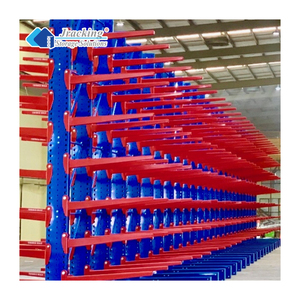
CE-Certified Industrial Warehouse Storage Shelves Heavy-Duty Cantilever Racking System for Cold Storage Pipe Storage
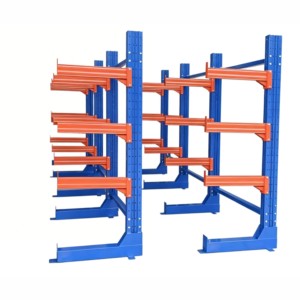
Stock Cold-Rolled Steel Cantilever Shelf Warehouse Storage Double-Sided Bracket Arm Cantilever Rack
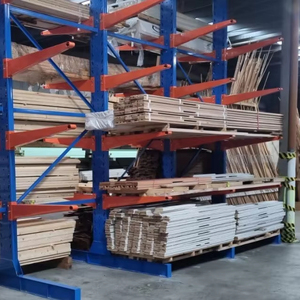
Cantilever Racking Wholesale Double-sided Heavy Pipe Warehouse Rack Industrial Heavy Duty Cantilever Racking Pallet Racking
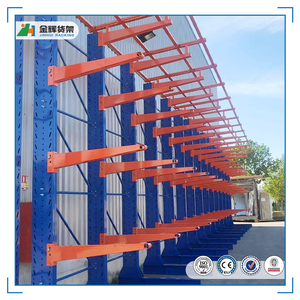
Heavy Duty Industrial Metal Cold Rolled Steel Aluminum Profile Storage Cantilever Pipe Rack Heavy Duty Cantilever Racking
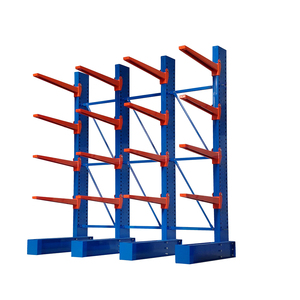
Industry Warehouse Steel Structural Pipe Rack Cantilever Rack for Pipe / Lumber Storage
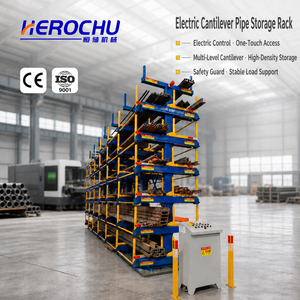
Electric Cantilever Rack Automated Retrieval System Foldable Q235B Carbon Steel Pipe Storage for Industrial Long Materials
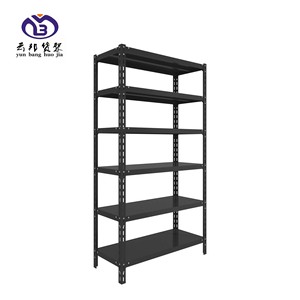
Heavy Duty Industrial Steel Garage Shelving Unit Pallet Racking for Workshop and Warehouse Use Metal Storage Rack
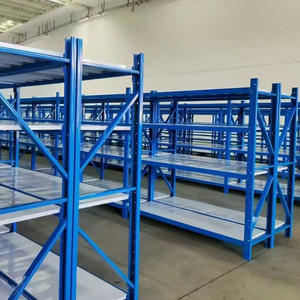
Manufacture Factory 4 Layers Metal Materials Light Duty Racks Warehouse Storage Racks
How to Judge the Top 10 Cantilever Racking Manufacturer & Suppliers
The phrase “top 10” is useful only when it means something measurable. A cantilever supplier can look competitive on price while hiding weaknesses in arm deflection, base-plate anchorage, corrosion protection, export packing or installation documentation. This scorecard turns a vague shortlist into a procurement method.
Structural design evidence
Ask for calculations, not a generic load table. Capacity must be defined per arm, arm pair, level and bay, with deflection limits and load signage.
Arm and upright flexibility
Adjustable arm pitch, single- or double-sided frames, straight or inclined arms and extendable uprights determine whether the rack can grow with SKU changes.
Steel and manufacturing control
Q235B and comparable structural steels are common. The real questions are traceability, weld quality, straightness, hole pitch and coating consistency.
Seismic and wind engineering
For Chile, Peru, Ecuador, Colombia and other seismic regions, base plates, anchors, bracing and frame ties must be project-specific and reviewed against local codes.
Cold storage and corrosion
Freezer rooms, ports and outdoor yards demand finish systems, drainage details and steel preparation that match humidity, salt and temperature cycling.
Safety documentation
Top suppliers deliver load signs, installation records, inspection points and a damage-reporting process — not just a packing list and commercial invoice.
Export packing and ports
Cantilever frames and arms are awkward freight. Good suppliers plan bundle dimensions, container loading, port handling and site sequencing.
Installation quality
Even well-designed racking underperforms if anchors, shims and arm alignment are wrong. Look for supervised installation or approved installer networks.
Lifecycle support
A strong supplier can inspect, repair, add arms and reconfigure the system as storage demand, load profiles and automation plans evolve.
Total landed cost
Compare ex-works price, freight, duties, installation, documentation, spare parts and future expansion in one commercial model.
What the Best Cantilever Racking Suppliers Do Differently
Cantilever racking is often evaluated as a price-per-arm purchase. That is a false economy. The system is a structural interface between long, heavy or awkward loads and the building floor, forklift fleet and safety culture.
A top-tier manufacturer or supplier will ask for the longest load, the heaviest load, the load centre, the lifting method, the floor slab, the clear height, the aisle width, the seismic zone and the future automation plan. If those questions are missing, the quote is probably a catalogue estimate rather than an engineered proposal.
The strongest suppliers also explain the trade-offs. Double-sided cantilever racking can improve selectivity and space use, but it needs the right aisle and handling strategy. Cold-store systems need finish and steel details that suit freezer conditions. Outdoor cantilever storage needs wind, drainage and corrosion assumptions documented before the frame layout is fixed.
- Request capacity per arm and per pair, not only a headline bay load.
- Confirm floor tolerances, anchor design and local seismic requirements in writing.
- Compare how easily the system can add arms, levels or automation later.
Three questions that separate a supplier from a vendor
Product Development Trends: What the Next Generation of Cantilever Racking Looks Like
Long-goods storage is moving from static steel structures toward configurable, data-defined and automation-ready systems. The strongest manufacturers are designing for change, not only for today’s pipe or profile inventory.
Modular heavy-duty frames
Adjustable arm pitch, reinforced bases, Q235B or higher-strength steel options and extendable uprights let one platform serve pipes, profiles, timber and fabricated long goods without a complete redesign.
Electric and automated long-load handling
Electric cantilever racks, foldable systems and automated retrieval concepts reduce dependence on wide forklift aisles and improve access to heavy or sensitive long materials in high-throughput facilities.
Corrosion resistance and outdoor readiness
Hot-dip galvanising, higher-spec powder coatings, drainage details and wind assumptions are becoming normal parts of the specification for ports, yards and humid tropical environments.
Data-led layout engineering
Suppliers increasingly use load lists, ABC analysis, slotting data and future automation assumptions to model capacity before fabrication. This improves quotation accuracy and reduces retrofit risk.
2025–2030 Procurement Trends for Long-Goods Storage
Buyers are no longer comparing only rack price. They are comparing code evidence, energy use, port logistics, installation quality and the supplier’s ability to support a multi-country warehouse programme.
Total landed cost replaces unit price
Procurement teams are building landed-cost models that include freight, duties, installation, inspection, spare parts and future reconfiguration. A lower ex-works quote can be more expensive over the life of the system.
Code evidence becomes a procurement gate
Seismic and cold-store projects increasingly require documented assumptions for anchors, bracing, floor tolerance and local design review. Suppliers who cannot produce this evidence create schedule risk.
Energy efficiency in cold-chain storage
In freezer and chilled warehouses, aisle count, air volume and system density affect refrigeration load. Cantilever layouts and mobile or high-density concepts are being evaluated for energy as well as capacity.
Supplier consolidation across South America
Multi-country distributors prefer fewer suppliers who can coordinate engineering, export packing, port delivery and service across Brazil, Chile, Peru, Colombia and Argentina without losing technical consistency.
Use a Weighted Scorecard, Not a Lowest-Price Shortlist
A top 10 shortlist should be scored against the risks that actually affect capacity, safety and uptime. The weighting below is illustrative; adjust it to your project, but keep engineering and safety visible in the final decision.
This approach is especially valuable for long-goods storage because the total value of the project is often determined before the first frame is shipped: load data quality, arm projection, base layout, aisle strategy, finish specification and installation supervision all shape the final outcome.
- Load case: length, weight, centre of gravity, arm projection and handling method.
- Site: floor slab, clear height, aisle, seismic zone, humidity, salt and temperature range.
- Operations: forklift or overhead crane, throughput, selectivity and future automation.
- Commercial: Incoterm, port, installation scope, spares, inspection and expansion cost.
- Compliance: calculations, load signage, finish specification and installer competency.
Illustrative evaluation weights
100-point RFQ scorecard for cantilever racking suppliers.
Why Real Nice Racks LLC Is a Credible Partner for Cantilever Racking Projects
Real Nice Racks LLC designs and supplies industrial storage and shelving systems for warehouses across South America. Its product scope includes pallet racking, industrial shelving, semi-automated storage machines, cantilever racking, pull-out units and mezzanine floors.

That breadth matters for cantilever projects. Long goods often need to be connected to pallet storage, small-parts picking, mezzanine access or future automation rather than stored in isolation. A supplier that understands the wider warehouse layout can reduce interface risk between racking, handling equipment and building constraints.
Supporting Brazil, Chile, Peru, Colombia, Argentina, Ecuador, Uruguay and Paraguay, Real Nice Racks positions its work around structured site analysis, engineered layouts, export packing, installation supervision and post-handover inspection. Technical support is available in English, Spanish and Portuguese, which reduces friction for multi-country procurement teams.
The company also references recognised racking design and use standards — EN 15512, FEM 10.2.08 / EN 16681, EN 15620 and EN 15635 — and coordinates with local requirements such as ABNT NBR 15524, NCh 433, E.030 and NSR-10 where applicable. For buyers building a top 10 shortlist, the practical advantage is a supplier who can discuss load data, seismic assumptions, cold-chain conditions and lifecycle service in the same conversation.
Engineering-led product selection
Product choice is tied to load data, handling method, clear height, aisle strategy and future growth. That is more reliable than selecting a cantilever rack from a generic catalogue page.
Seismic and cold-chain adaptation
Racking for the Pacific seismic belt and cold-store environments needs specific base plates, anchors, bracing and finish choices. The company supports these requirements for projects across South America.
Documented standards and load safety
Load signage, capacity tables, inspection records and installation handover are part of a serious storage project. These documents help procurement, operations and insurers verify that safety was engineered in.
Export packing and port delivery
Projects can be planned around major regional ports such as Santos, Callao, San Antonio, Buenos Aires, Cartagena, Guayaquil and Montevideo, with packing and sequencing matched to site readiness.
Installation supervision and handover
Supervised installation, anchor checks, shim review, arm alignment and documented handover reduce the risk that a sound design is compromised by site execution.
Lifecycle inspection and upgrades
Cantilever racking can be reconfigured as inventory changes. Inspection, repair, added arms and capacity upgrades help protect the original investment instead of treating storage as a one-time purchase.
FAQ: Buying Cantilever Racking from Top Manufacturers and Suppliers
Practical questions procurement and engineering teams ask when comparing cantilever racking manufacturers, suppliers and long-goods storage systems.
What is cantilever racking used for?
Cantilever racking is designed for long, bulky or awkward goods that do not fit efficiently in selective pallet racking. Typical loads include steel pipes, tubes, structural profiles, aluminum extrusions, timber, lumber, building products and fabricated long materials. The open front allows forklifts, cranes or side-loaders to place loads directly onto arms without a front beam obstruction.
How do I compare the top 10 cantilever racking manufacturers and suppliers?
Compare them on engineering evidence, load capacity definition, steel quality, seismic and cold-store capability, finish specification, export packing, installation support, documentation and lifecycle service. A useful method is a weighted RFQ scorecard: require capacity calculations, anchor and bracing assumptions, load signage samples, inspection records and a clear expansion plan before narrowing the shortlist.
What technical data should a supplier request before quoting?
The supplier should ask for the longest load, the heaviest load, load centre of gravity, arm projection needed, load per arm pair, required clear height, floor plan, aisle width, handling equipment, floor slab information, indoor or outdoor conditions, temperature range and seismic zone. Without this data, the quotation is likely based on assumptions that may not survive detailed design.
Can cantilever racking be designed for cold storage and outdoor use?
Yes, but the specification changes. Cold-store cantilever racking needs steel and finish details suitable for low temperatures, moisture and temperature cycling. Outdoor systems need corrosion protection, drainage and wind assumptions. For freezer applications, finish selection, anchor details and inspection intervals should be agreed before fabrication so the system remains safe and serviceable.
How does seismic design change a cantilever racking project?
Seismic design can affect base plates, anchors, frame bracing, beam-to-upright connections and the spacing of frames. In Chile, Peru, Ecuador, Colombia and other seismic regions, the supplier should coordinate with local code requirements and, where required, a locally licensed structural engineer. Buyers should ask for seismic assumptions in writing rather than relying on a generic catalogue statement.
What should be included in installation and handover documentation?
A strong handover package should include approved layout drawings, capacity tables, load signage, anchor and installation records, inspection checklists, spare-parts information and maintenance guidance. For multi-country projects, documentation should be available in a language the local operations team can use. This documentation supports safer operation and makes future inspection or expansion easier.
Build a Better Cantilever Racking Shortlist
Send the project data that most quotes conceal: load list, floor plan, clear height, longest load, weight per arm pair, indoor or outdoor conditions, seismic zone and target storage positions. Real Nice Racks LLC can help translate that brief into a cantilever racking configuration, a current product catalogue and a realistic next step.
Technical support available in English, Spanish and Portuguese. Project support across Brazil, Chile, Peru, Colombia, Argentina, Ecuador, Uruguay and Paraguay.