Eight Pallet Storage Rack Systems Buyers Compare First
The strongest supplier shortlist is not the one with the longest catalogue; it is the one that matches rack type to load, aisle, climate and growth plan. These eight systems cover the practical routes most often specified by warehouse, logistics and procurement teams.
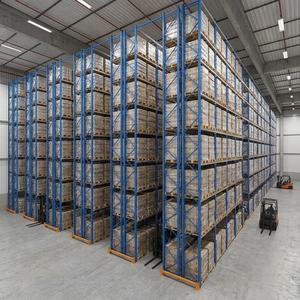
Industrial Selective Pallet Racking Warehouse Storage Equipment Steel Rack Supplier
Direct access to every pallet, flexible SKU handling and straightforward expansion make selective racking the benchmark for mixed-load warehouses.
View product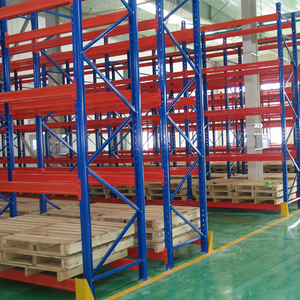
High Quality Industrial Vertical Warehouse Storage Racks Heavy Duty Steel Pallet Racking System for Logistics Center
Engineered for logistics centres that need higher bay heights, robust beam-to-upright connections and dependable load signage.
View product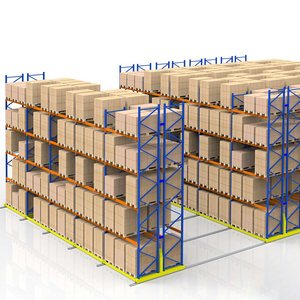
Custom Heavy Duty Selective Pallet Rack System One-Stop Warehouse Storage & Layout Design Solution in UAE
Best suited to projects where racking, aisle planning, load data and future expansion must be resolved as one engineering package.
View product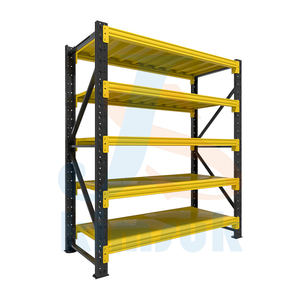
Garage Warehouse Rack Adjustable Storage Stacking Racks Pallet Steel Metal Shelving Shelves
A practical option for smaller warehouses, workshops and garage storage where adjustable shelves and quick reconfiguration matter.
View product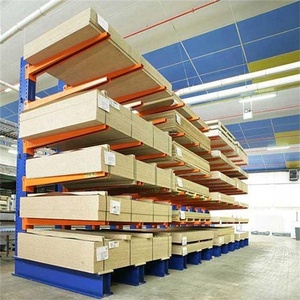
Heavy Duty Industrial Warehouse Storage Cantilever Arm Racking System
Open-front cantilever arms support pipes, timber, steel profiles and bulky products that do not fit conventional pallet bays.
View product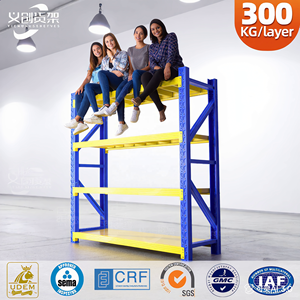
Manufacturer Directly Warehouse Light Middle Storage Industrial Racks for Warehouse Racking Plate Shelving Shelves Unit
Efficient hand-loaded storage for cartons, spare parts and order-picking zones where pallet-only systems would waste space.
View product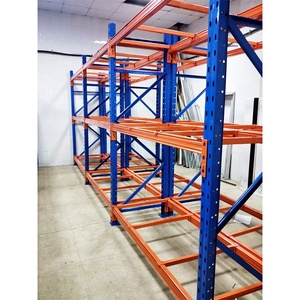
Steel Shelving Adjustable Metal Boltless Shelf Pallet Storage Use Metal Racking Stacking Racks & Shelves
Fast-assembly boltless shelving is useful for stockrooms, retail backrooms and low-rise storage where speed and flexibility lead.
View product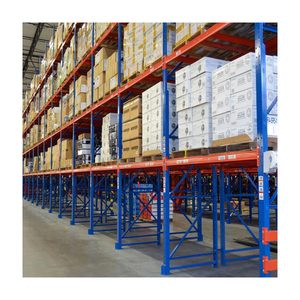
Wholesale Price Heavy Duty Storage Racks Warehouse Stacking Racks Selective Steel Pallet Rack Heavy-Duty Racking for Sale
Designed for buyers comparing wholesale price, structural capacity and long-term serviceability rather than headline price alone.
View productWhy the Top 10 Pallet Storage Racks Suppliers & Wholesaler Shortlist Matters
Buyers searching for pallet storage racks suppliers, warehouse racking wholesalers or industrial racking manufacturers usually share the same hidden question: will this system still be safe, expandable and supportable five to ten years from now?
A low-cost quotation can look attractive on a single page, but pallet racking is a structural product that interacts with the floor slab, forklift fleet, pallet condition, fire strategy, building height and local code environment. The most reliable suppliers and wholesalers do more than sell steel. They clarify load per pallet, beam levels, clear height, aisle width, seismic zone and anchor specification before confirming a layout.
This guide is prepared by the storage engineering and international sales team at Real Nice Racks LLC, a supplier of pallet racking, mobile racking, industrial shelving, cantilever systems, mezzanines and semi-automated storage for warehouses and distribution centres across South America. The evaluation lens is practical: documented load capacity, design standards, installation supervision, availability of spare parts, and a lifecycle plan that includes inspection and repair after handover.
For procurement teams, the strongest shortlist is therefore built on total cost of ownership, not the lowest initial price per upright or beam. A wholesaler that can provide structural calculations, load signage, floor-tolerance checks and seismic documentation reduces commercial risk before the first pallet is loaded.
What Separates a Real Pallet Rack Wholesaler From a Catalogue Listing
Use these ten checks when comparing quotes. They are the same questions engineering-led suppliers use to avoid rework, rack damage and capacity shortfalls after installation.
Structural Design
Ask for upright and beam calculations, load tables and clear assumptions for pallet weight, beam deflection and floor loading.
Seismic Zone
Projects in Chile, Peru, Ecuador and Colombia need seismic design references, anchor specification and local engineer coordination.
Clear Height
Height is not simply “more rack.” Sprinkler clearance, lighting, forklift reach and beam-level strategy must be resolved together.
Load Signage
Every bay should carry capacity signage. A supplier that cannot document safe load limits is not offering a complete system.
Access & Selectivity
Selective racking offers direct access; drive-in, push-back and shuttle systems trade selectivity for density. Match the flow.
Forklift Compatibility
Aisle width must match reach trucks, counterbalance forklifts or AGVs. Poor fit causes impact damage and lost productivity.
Safety Standards
Reference EN 15512, EN 15620, EN 15635 and FEM 10.2.08 / EN 16681 where applicable, plus local codes.
Installation Control
Supervised installation, anchor torque checks, plumb tolerance and handover records protect both the asset and the operator.
Cold-Chain Fit
Freezer and chilled stores require finish, tolerances and layout choices that reduce refrigeration volume and condensation risk.
Lifecycle Support
Inspection, repair, spare parts and capacity upgrades matter more than a one-time shipment for long-term warehouse performance.
Match Rack Type to Load, Aisle and Climate
Pallet storage racks are not interchangeable. The most efficient system depends on SKU count, pallet velocity, handling equipment, building height, cold-chain exposure and the cost of available floor space.
Selective Pallet Racking
Best for mixed SKUs, fast access and warehouses where every pallet must remain visible. It is the most flexible starting point for manual operations and future reconfiguration.
High-Density Pallet Racking
Drive-in, push-back, shuttle and mobile systems increase pallet positions per square metre. They suit stable SKU profiles, seasonal stock peaks and land-constrained markets.
Mobile Pallet Racking
MOVO mobile racking keeps 100% pallet accessibility while opening a working aisle only where needed. In cold stores, this can reduce the volume of air that must be refrigerated.
Cantilever Racking
For long and bulky goods such as steel profiles, pipes, timber and building products. Single- or double-sided configurations can be designed for indoor or outdoor storage.
Industrial Shelving
Hand-loaded storage for spare parts, cartons, e-commerce SKUs and archives. Shelving can be combined with multi-tier walkways or mezzanine floors to unlock vertical space.
Semi-Automated Storage
Vertical lift modules and storage machines save floor space and accelerate picking where land and labour costs are rising. They are a practical bridge between manual and automated warehousing.
Pallet Storage Rack Procurement Trends to Plan For
The purchasing criteria for pallet storage racks suppliers and wholesalers are shifting. Buyers are moving from “racks per container” to engineering documentation, lifecycle cost and expansion readiness.
Total Cost Over Low Price
Procurement teams increasingly compare installation, inspection, repair and reconfiguration costs. A slightly higher initial quote can be cheaper over a ten-year cycle if spare parts and engineering support are available.
Documented Safety
Insurers, auditors and internal engineering teams now ask for load signage, capacity tables, anchor details and seismic justification. Suppliers that cannot provide this slow projects down.
Retrofit Before Expansion
Land and construction costs are pushing buyers to upgrade existing warehouses first. High-density racking, mezzanines and narrow aisle layouts can add capacity without a new building.
Cold-Chain Efficiency
Fruit, seafood, meat and dairy exporters are reviewing refrigerated volume, aisle count and airflow. Mobile racking and high-density storage can reduce energy use per pallet stored.
Automation-Ready Layouts
Even manual warehouses now ask whether a layout can later accept shuttle systems, AGVs, conveyors or semi-automated storage machines. Future-proofing begins with the first rack layout.
Local Code Coordination
South American projects often require alignment with NBR 15524, NCh 433, NCh 2369, E.030, NEC-SE-DS or NSR-10. Suppliers must understand when local engineering review is required.
Where Pallet Storage Rack Technology Is Heading
The next generation of racking will be judged by how well it supports density, safety documentation, cold-chain efficiency and future automation — not just by steel weight.
Higher and Smarter Layouts
As clear heights rise, racking design becomes more sensitive to beam deflection, sprinkler clearance and forklift reach. Suppliers that model layout options before quoting can reduce expensive rework.
Cold-Rated and Corrosion-Resistant Systems
Freezer stores, coastal humidity and food processing plants demand finish specifications that resist corrosion while remaining compatible with hygiene and inspection routines.
Mobile and High-Density Growth
MOVO mobile pallet racking and P90 high-density configurations allow more pallets inside the same footprint. In cold stores, the energy savings can be as important as the storage gain.
Why Real Nice Racks LLC Belongs on a Serious Shortlist
Real Nice Racks LLC designs, supplies and supports industrial storage systems — pallet racking, mobile racking, shelving, cantilever, mezzanines and semi-automated storage machines — for warehouses and distribution centres across South America.
We support multinational brands and fast-growing regional companies from the first site survey through layout design, manufacturing, export packing, supervised installation and ongoing inspection. Every project starts with real operating data: pallet dimensions, load per pallet, SKU velocity, forklift type, clear height and seismic zone.
- Seismic-ready racking for the Pacific belt, with reference to FEM 10.2.08 / EN 16681 and local requirements.
- Cold storage and freezer systems for fruit, seafood, meat and dairy export hubs.
- P90 high-density pallet racking and MOVO mobile racking for capacity growth without new construction.
- Design documentation, load signage, capacity tables and inspection records supplied with projects.
- Technical support in English, Spanish and Portuguese for cross-border procurement teams.
- Lifecycle service: rack inspection, damage repair, spare parts and capacity upgrades.

MOVO mobile pallet racking: more pallets, fewer aisles and flexibility for future reconfiguration.
Standards That Support Safer Procurement Decisions
A credible pallet rack supplier should make compliance visible. The design discussion should reference recognised standards and, where required, local building codes and licensed engineering review.

Static steel racking is typically designed in line with EN 15512, with floor tolerances considered under EN 15620 and operation and inspection guidance under EN 15635. Seismic design can reference FEM 10.2.08 or EN 16681. In Brazil, projects are often aligned with ABNT NBR 15524 for selective pallet racking.
Across Chile, Peru, Ecuador and Colombia, seismic design conversations should also account for NCh 433 and NCh 2369, E.030, NEC-SE-DS and NSR-10 respectively. Base plates, anchors, bracing and beam connectors must be specified for the site’s seismic zone and soil type, with final calculations reviewed by a locally licensed structural engineer when required.
This level of documentation matters to procurement, operations and insurance teams because it turns “safe racking” from a claim into a verifiable project record.
Request Technical DocumentationFrom Inquiry to Installation: A Lower-Risk Way to Buy
A clear five-stage path keeps budgets predictable and timelines realistic, even for multi-country rollouts.
Analyse
Site survey, SKU and throughput data, floor condition and seismic assessment.
Design
Layout options, structural calculations and capacity comparison.
Manufacture
Quality-controlled steel production and export packing.
Deliver & Install
Shipment to the nearest port and supervised installation.
Support
Inspection, repair, training and capacity upgrades after handover.
Delivery experience across South America. Typical destination ports include Santos, Callao, San Antonio, Buenos Aires, Cartagena, Guayaquil and Montevideo, with export packing and handover documentation prepared for international procurement teams.
Send an InquiryPallet Storage Rack Supplier & Wholesaler Questions
These are the questions procurement and engineering teams ask most often when comparing pallet racking suppliers, wholesalers and layout partners.
What should I look for in a pallet storage racks supplier or wholesaler?
How do I compare selective pallet racking with high-density systems?
Can racking be designed for seismic zones in Chile, Peru, Ecuador and Colombia?
Which design standards should appear in a racking quotation?
Do you supply pallet racking for cold storage and freezer warehouses?
How are projects delivered and installed across South America?
Can you upgrade an existing warehouse instead of building a new one?
What information is needed for a fast racking quotation?
What is the difference between a pallet rack supplier and a wholesaler?
How can buyers request technical information or an inquiry?
Planning a Pallet Racking Project in South America?
Share your warehouse location, clear height, pallet dimensions, load per pallet and target capacity. Our team can help compare selective, high-density, mobile, cantilever or shelving options and recommend a documented next step.