Eight Racking Pallet Systems Buyers Shortlist First
These systems reflect the configurations most frequently requested by warehouse operators, 3PL providers and distributors: adjustable selective racking, heavy-duty custom systems, high-load pallet racking and flexible mobile racking for space-constrained facilities.
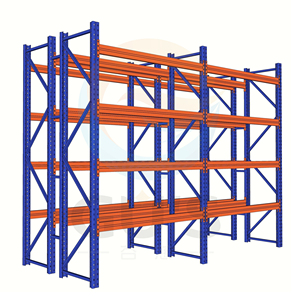
Warehouse Pallet Racking Shelves Unit Industrial Heavy Duty Metal Rack Storage Shelf Pallet Stacking Rack System
A robust general-purpose warehouse racking system for pallet stacking, storage shelves and industrial metal racking requirements.
View system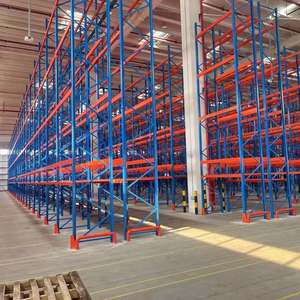
Zhejiang Custom Steel Pallet Racking System Heavy Duty Rack Industrial Warehouse Rack Storage Shelves Heavy Duty Racks Systems
Custom-engineered steel pallet racking for industrial warehouses that require exact bay widths, beam levels and heavy load capacities.
View system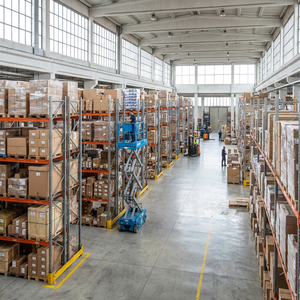
Professional Heavy Duty Pallet Rack Supplier Warehouse Storage System Manufacturer
Factory-backed heavy-duty pallet rack supply for warehouse projects that demand consistent steel quality and export packing.
View system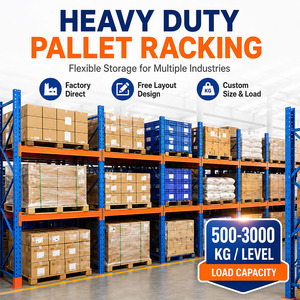
Heavy Duty Steel Warehouse Pallet Rack Storage Racking System for Industrial Warehouse Applications
Designed for industrial warehouse applications where pallet access, load stability and long service life are essential.
View system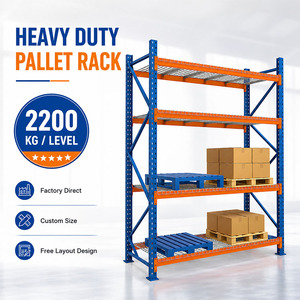
Selective Pallet Racking Heavy Duty Steel Warehouse Rack System for Industrial Storage and Logistics Use
Selective racking offers direct access to every pallet, making it a practical baseline system for fast-moving distribution centres.
View system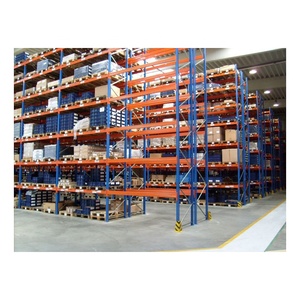
Customized Heavy Duty Pallet Racking System Industrial Warehouse Storage Rack Adjustable Steel Selective Pallet Rack
Adjustable steel selective pallet racking for buyers who need configuration flexibility as SKU profiles and load sizes change.
View system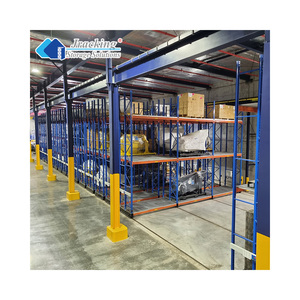
Jracking Flexible Electric Mobile Rack System Automated Pallet Warehouse
Mobile pallet racking reduces non-productive aisles and is especially valuable in cold stores and costly real-estate markets.
View system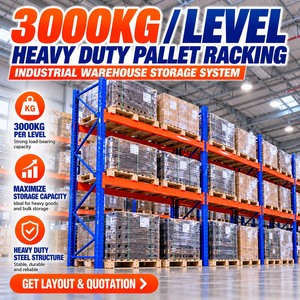
3000kg Per Level Heavy Duty Warehouse Pallet Racking System
High-capacity pallet racking for dense industrial loads, heavy packaging, spare parts and demanding warehouse operations.
View systemWhy the Pallet Racking Supplier Decision Matters More Than Ever
A pallet racking system is not a commodity purchase. It is a structural asset that affects warehouse safety, insurance exposure, labour productivity, energy consumption and the cost of every future expansion.
Procurement teams in 2025 are under pressure to compare factories and suppliers on more than price per bay. They must verify whether a supplier can provide engineering calculations, load signs, anchor specifications, seismic assumptions, installation supervision and spare-part support after handover. A cheap quotation that omits these items is not a like-for-like quotation.
This guide is prepared for warehouse owners, 3PL operators, project managers and system integrators evaluating racking pallet system factories and suppliers. It uses an evidence-led approach: first define the load and throughput data, then test the supplier against engineering standards, manufacturing control, export capability and lifecycle support. The title Top 10 Racking Pallet System Factories & Suppliers is therefore treated as a shortlisting framework, not a static popularity list. Factory capability changes by project, and a supplier that performs well for one warehouse may not be suitable for another.
What Defines a Top 10 Racking Pallet System Factory or Supplier?
A defensible shortlist should test ten capabilities. Use the same checklist for every factory, trading company and regional supplier so the comparison is transparent.
01Structural Engineering Evidence
The supplier should provide calculations aligned with EN 15512 for adjustable pallet racking, with beam deflection, upright load capacity and bracing assumptions clearly stated. Ask for the design brief, not only a load table.
02Seismic and Local Code Fluency
For South America, seismic design is not optional. Racking in Chile, Peru, Ecuador and Colombia must be coordinated with local requirements such as NCh 433, E.030, NEC-SE-DS and NSR-10, with FEM 10.2.08 or EN 16681 methodology where applicable.
03Cold-Store and Harsh-Environment Capability
Freezer warehouses need more than painted steel. Confirm material specifications, corrosion protection, low-temperature performance and whether mobile racking can reduce refrigerated air volume and energy use.
04Manufacturing Control and Steel Traceability
Ask how uprights, beams, welded frames and powder coating are inspected. Mill certificates, thickness checks, hole-pitch verification and pre-shipment dimensional checks reduce the risk of site-fit problems.
05Product Breadth and Interoperability
A stronger supplier can combine selective, double-deep, drive-in, push-back, shuttle, narrow-aisle and mobile racking on a consistent platform. That makes future expansion simpler and protects earlier investment.
06Installation and Handover Documentation
The best factory is not enough without controlled installation. Require anchor installation records, torque checks, plumbness verification, row-end protection, load signs and a handover file for insurers and auditors.
07Lifecycle Inspection and Spares
Pallet racking is maintained, not installed and forgotten. Suppliers should offer periodic inspection procedures referencing EN 15635, damage classification, repair guidance and a spare-parts list with lead times.
08Export Logistics and Port Experience
International buyers need export packing, container loading plans, item labelling and port documentation. Experience with Santos, Callao, San Antonio, Buenos Aires, Cartagena and Guayaquil reduces shipping surprises.
09Project Communication and CAD Support
Layout drawings, clearance checks, aisle-width studies and revision control matter as much as steel capacity. Ask for a single technical contact who can respond in English, Spanish or Portuguese.
10Commercial Transparency and Total Cost of Ownership
Compare steel weight, beam levels, anchor quantity, accessories, installation scope, freight terms, duties and spare parts over five years. The lowest initial price is often not the lowest lifecycle cost.
Pallet Racking Procurement Trends Reshaping 2025–2030 Buying Decisions
Buying behaviour is shifting from catalogue purchasing to engineered procurement. These six trends are already affecting factory shortlists and supplier scorecards.
Evidence-Based Supplier Audits
Procurement teams are requesting factory documentation, product test records, weld inspection processes and installation method statements before approving a supplier. Marketing pages alone are no longer enough.
Total Cost of Ownership Over Lowest Price
Buyers are modelling freight, installation, inspection, downtime and future reconfiguration costs. A racking system that can expand on the same platform often wins over a lower-priced one-off quotation.
Seismic and Climate-Resilience Clauses
Contracts increasingly require seismic calculations, anchor specifications, corrosion protection and documented handover. This is especially important for warehouses along the Pacific seismic belt.
Automation-Ready Racking
Even manual warehouses are asking whether the racking layout can later support shuttles, AGVs, mobile bases or automated high-bay handling. Interface planning at day one avoids costly retrofits.
Cold-Chain Energy Efficiency
Freezer operators are using mobile racking and high-density layouts to reduce aisle volume, refrigeration load and energy consumption while increasing pallet positions inside the same insulated envelope.
Local Installation and Documentation Compliance
Factories are being evaluated on their ability to work with locally licensed engineers and installation partners. Documentation for insurers, fire authorities and internal safety teams is now part of the purchase decision.
Product Development Trends in Racking Pallet Systems
Racking technology is evolving toward higher strength-to-weight ratios, modular expansion, dense storage and digital handover documentation.
Higher Strength-to-Weight Steel Profiles
Modern upright and beam sections are being optimised to carry more load with less steel, reducing freight volume and embodied material while maintaining required safety margins.
Modular Platform Interoperability
Platforms such as P90-style pallet racking allow selective, drive-in, push-back, shuttle and mobile configurations to share engineering logic and accessories, which simplifies phased expansion.
Mobile and Shuttle-Based Density
As land and energy costs rise, mobile bases and pallet shuttles are being specified for cold stores, 3PL hubs and urban distribution centres where every square metre must work harder.
Freezer-Optimised Components
Low-temperature applications demand careful material selection, corrosion control and reliable mobile mechanisms. Product development is focusing on components that perform below -30°C.
Digital Handover and QR Inspection
Load signs, bay identification and QR-linked inspection records are becoming more common, helping safety teams identify damaged components and order correct spare parts faster.
Safety Accessories as Standard
Row-end protectors, guide rails, beam locks, safety pins and impact protection are increasingly treated as specification items rather than optional extras, especially in high-traffic warehouses.
Indicative Storage Density Comparison
*Indicative planning comparison only. Actual selectivity, storage capacity and throughput depend on pallet profile, aisle width, handling equipment, building height, fire strategy and local code requirements.How to Compare Factories and Suppliers Without Guesswork
Use a four-step comparison process to keep technical and commercial decisions aligned.
Define the Data
Document pallet size, load per pallet, clear height, floor condition, forklift type, throughput, SKU velocity and future growth. Without this data, every quotation is based on assumptions.
Demand Layout Design
Ask for engineered layouts, not catalogue quotes. A good supplier will show aisle widths, beam levels, capacity per bay, accessibility and expansion options.
Audit Documentation
Compare standards, calculations, anchor specifications, material certificates, inspection records and installation methodology. This is where a factory-backed supplier separates from a low-documentation trader.
Model Five-Year TCO
Compare purchase price, freight, installation, inspection, spare parts, downtime risk and reconfiguration potential. Choose the system that supports the next stage of warehouse growth.
Why Real Nice Racks LLC Fits International Pallet Racking Procurement
For buyers comparing factory-backed supply with engineering support, Real Nice Racks combines product breadth, export experience and documented project delivery for warehouses across South America.
Seismic-Ready Engineering
Racking layouts can be developed with reference to FEM 10.2.08 and EN 16681, coordinated with regional requirements such as NCh 433, NCh 2369, E.030, NEC-SE-DS and NSR-10.
Cold-Chain Capability
Chilled and freezer storage solutions are available for cold stores down to approximately -30°C, supporting fruit, seafood, meat and dairy export warehouses.
Standard-Compliant Documentation
Projects can be aligned with EN 15512, EN 15620, EN 15635 and ABNT NBR 15524, with load signage, capacity tables and inspection records supplied at handover.
P90 and MOVO Platforms
Selective, high-density and mobile racking options can support up to 20% more storage capacity on the same footprint in suitable projects, while preserving flexibility for future automation.
Lifecycle Project Support
From site survey and layout design to manufacturing, export packing, supervised installation, inspection, repair and capacity upgrades, projects follow a defined delivery lifecycle.
Multilingual Export Communication
Technical support is available in English, Spanish and Portuguese, with experience serving buyers across Brazil, Chile, Peru, Colombia, Argentina, Ecuador, Uruguay and Paraguay.
For procurement teams, this means a single partner can support selective pallet racking, heavy-duty custom systems, mobile racking, industrial shelving, mezzanines and semi-automated storage without losing engineering continuity.
Frequently Asked Questions About Pallet Racking Factories and Suppliers
These are the questions most often raised during supplier comparison, technical review and export procurement.
How do I verify that a racking factory can design to EN 15512 or equivalent standards?
Request a sample design calculation, beam load table with deflection limits, upright section properties and a load sign schedule. The supplier should be able to explain the design brief, floor tolerance assumptions and seismic input. A factory that only sends a catalogue without project-specific engineering information is not giving you enough evidence for a safe international procurement decision.
What information should I send to get an accurate pallet racking quotation?
Provide warehouse location, floor plan, clear height, pallet dimensions, load per pallet, number of pallet positions, forklift or reach-truck type, aisle constraints, throughput requirements and future growth plans. If the site is in a seismic zone or a freezer environment, include those details at the first enquiry so the quotation reflects the correct design basis.
Are pallet racking factories suitable for South American seismic zones?
They can be, provided the design is adapted to local code and site conditions. Projects in Chile, Peru, Ecuador and Colombia require attention to base plates, anchors, bracing, beam connectors and soil assumptions. Racking should be coordinated with locally licensed structural engineers where required, and the final installation should match the approved calculation and anchor specification.
What is the difference between selective, high-density and mobile pallet racking?
Selective racking gives direct access to each pallet and is the most flexible baseline system. High-density systems such as drive-in, push-back and shuttle racking reduce aisle space but may reduce selectivity. Mobile racking mounts racking on moving bases so only one aisle opens at a time, delivering strong density with full access when required. The right choice depends on SKU count, pallet velocity, handling equipment and building cost.
How do I compare quotations from different pallet racking suppliers?
Compare the engineering basis, steel weight, beam capacity at the stated deflection, number of beam levels, anchor quantity, accessories, installation scope, documentation package and freight terms. Ask each supplier to confirm what is excluded. A lower price per bay may exclude anchors, row-end protection, load signs, installation supervision or spare parts, which can create unexpected costs after the order is placed.
What documentation should be handed over after installation?
A practical handover file should include approved layout drawings, load signs, safe working load information, anchor installation records, bracing details, inspection and maintenance guidance, spare-parts identification and contact details for after-sales support. For insurance and internal audit purposes, this file should match the installed configuration, not just the original quotation.
Can an existing warehouse be upgraded instead of building a new facility?
Yes. Retrofit projects often combine re-layouts, narrow-aisle configurations, higher-density racking, mezzanine floors and mobile racking. The key is to verify floor condition, building height, fire strategy, column grid, sprinkler coverage and forklift access. In suitable projects, high-density pallet racking can deliver up to 20% more storage capacity within the same building footprint, avoiding the cost and delay of new construction.
How do I request a factory-backed racking proposal for an international project?
Send the warehouse location, floor plan, clear height, pallet dimensions, load per pallet, handling equipment and target capacity to the supplier’s engineering team. Include any seismic, cold-chain, fire or local-code requirements. A qualified supplier will return a layout concept, technical assumptions, equipment scope and a clear list of information still needed before final design.
Request a Factory-Backed Pallet Racking Proposal
Share your warehouse location, floor plan, clear height, pallet dimensions, load per pallet and handling equipment. Our team can help compare selective, high-density and mobile pallet racking options with documented engineering assumptions.
Inquire Now