Cantilever Racking Products Recommended for Moengo Buyers
Moengo buyers rarely need a generic rack. They need a cantilever system that can hold long timber, steel sections, pipes or fabricated components in humid conditions, often in open or semi-open yards. The eight products below are linked to live product pages and represent practical starting points for single-sided wall storage, double-sided aisle access, hot-dip galvanized outdoor protection, telescopic pipe handling and multi-level long-material storage.
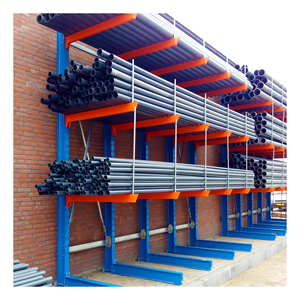
China Wholesale Industrial Warehouse Heavy Duty Single Side Cantilever Rack
Single-sided heavy-duty cantilever rack for lumber, steel bars and profiles; practical for wall-side storage in Moengo yards.
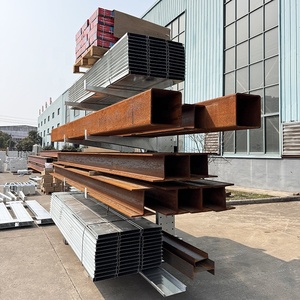
Outdoor Storage Corrosion Protection Hot-dip Galvanized Single Sided Cantilever Rack for Profile Storage
Corrosion-protected outdoor cantilever rack for tropical rain and humid air; suited to open profile storage and laydown areas.
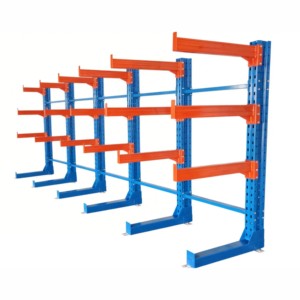
CE Certified Heavy Duty Steel Cantilever Rack Adjustable Foldable Arm Racking/Shelves Anti-Rust Corrosion Protection
Adjustable foldable-arm rack with anti-rust protection; a flexible option for changing long-goods profiles and mixed project stock.
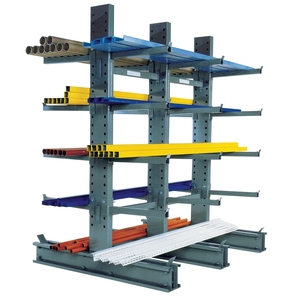
CE / ISO Certified Customized Cantilever Rack Heavy Duty for Industrial Racking From Nanjing Victory
Customized heavy-duty cantilever racking with CE/ISO options; suitable when arm length, bay spacing and finish must match a site plan.
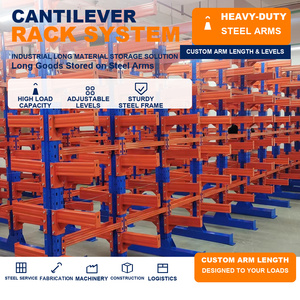
Cantilever Rack Heavy Duty Multi Level Storage Racking System Adjustable Arm Shelving Unit for Long Material Warehouse Use
Multi-level adjustable arm system for long-material storage; helps increase vertical use where Moengo yard space is constrained.
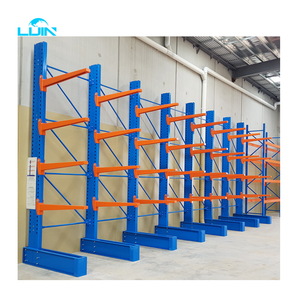
Factory Price Cantilever Rack Heavy Duty Industrial Cantilever Racking Steel Storage
Factory-price steel cantilever storage for high-volume procurement, staged expansions and budget-conscious long-goods yards.
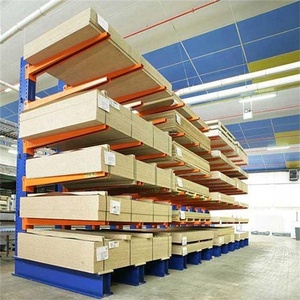
Heavy Duty Industrial Warehouse Storage Cantilever Arm Racking System
Industrial cantilever arm racking for pipes, beams and profiles; open-front design simplifies forklift and crane access.
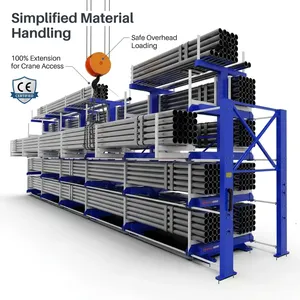
Double Sided Telescopic Cantilever Rack Manual Crank 100% Extension Steel Tube Pipe Storage Crane Access CE Certified
Double-sided manual-crank rack with 100% extension for crane-served pipe and tube storage; supports safer bundle access.
Why Cantilever Racking Fits the Moengo Market
Cantilever racking is the long-material counterpart to pallet racking. It removes front columns from the storage face, so a forklift, side-loader or overhead crane can pick a bundle of timber or a bundle of pipes without obstruction. In Moengo, that operational advantage is amplified by the types of goods that move through the district: timber, construction steel, pipes, equipment spares and project cargo linked to river and road logistics.
Timber yards and sawmills
Moengo’s timber trade needs clean, straight storage for boards, beams and mouldings. Cantilever arms support bundles continuously, reduce blocking and allow air movement around stock — an advantage in humid conditions. Single-sided racks work well along walls, while double-sided racks create central aisles.
Steel service centres and fabrication
Steel profiles, rebar bundles, angles and channels are dense and long. Heavy-duty cantilever racking keeps them off the ground, separates sizes and reduces double handling. Specify arm load, upright spacing and coating for the yard environment rather than relying on a generic capacity figure.
Pipe, tube and conduit depots
For PVC, steel and HDPE pipe, telescopic arms or 100% extension arms let forklifts and cranes access the full bundle. Double-sided manual-crank designs can improve selectivity where space is tight and where different pipe diameters must be kept separate.
Construction material staging
Contractors and distributors need rapid access to scaffolding, formwork, lintels and profiles. Cantilever racks create organised laydown areas that can be relocated or expanded as projects change, which is especially useful when storage demand rises and falls with construction cycles.
Mining and equipment maintenance
Moengo’s industrial maintenance sector handles drill rods, shafts, hoses, structural sections and spare parts. Heavy-duty arms and reinforced bases support dense loads, while open fronts simplify crane lifts and reduce the risk of handling damage in busy workshops.
River and road logistics staging
Importers receiving through Paramaribo or regional logistics need racking that can be exported, staged and assembled safely. Modular uprights, bolt-on arms and clear packing lists reduce site delays when containers arrive and installation crews are mobilised.

Long-material storage without front columns
Open-front cantilever storage is often the difference between a yard that can be operated safely and one that becomes a congestion point. The system should be designed around the goods, the handling equipment and the site’s floor condition — not only around the rack’s catalogue footprint.
Recommended Cantilever Configurations for Moengo Buyers
Use this short specification guide as a starting point. Final dimensions must be confirmed against your floor, loads, handling equipment and storage layout.
Hot-dip galvanized single-sided cantilever rack
Best when racks stand against a boundary wall or fence. Hot-dip galvanizing is usually the preferred finish for open yards exposed to rain and humid air. Confirm drainage, base-plate elevation and touch-up procedures.
Double-sided heavy-duty cantilever rack
Best for central aisles where forklifts need access from both sides. Use heavier uprights and arms for dense steel bundles, and specify load signage for every arm level and bay.
Double-sided telescopic manual-crank rack
Best when pipes are lifted by crane or when bundle ends must be exposed. 100% extension improves access, but aisle width, arm deflection and operator training must be checked before installation.
Multi-level adjustable cantilever rack
Best for distributors that need vertical storage without losing selectivity. Add modular bays as demand grows and standardise uprights to simplify future expansion and spare-parts planning.
Local Trends Shaping Cantilever Racking Demand in Moengo
Moengo is not a generic warehouse market. Its buying patterns reflect climate, long-material trades and the need to import engineered equipment into a smaller logistics market. Four trends are especially relevant to procurement teams planning storage capacity.
Climate-resilient outdoor storage
Humidity, heavy rain and long outdoor exposure make coating selection and drainage part of the rack specification. Buyers increasingly ask for hot-dip galvanized steel, raised base plates and touch-up protocols rather than accepting a basic paint finish.
Infrastructure and construction materials
Public and private construction activity supports demand for organised storage of steel, pipe, timber and formwork. Racking that can be expanded bay by bay is attractive because contractors can align investment with project flow.
Value-added timber and agro-processing
As local processors add value to timber and agricultural output, they need cleaner, more selective long-goods storage. Cantilever racking supports airflow, inspection and safer forklift movement compared with floor stacking.
Factory-direct procurement and digital planning
Buyers are more willing to source direct from specialised factories when they receive drawings, load tables and export packing plans early. A digital catalog shortens the first review; a documented technical file protects the capital project.
Engineering the Right Cantilever System for Humid, Long-Material Storage
Cantilever racking looks simple — uprights, bases and arms — but the structural logic is different from pallet racking. The arm is a cantilever; the base must resist overturning; the upright must carry combined axial load and bending; and the floor must transfer those loads safely.
For Moengo, the engineering file should answer five questions before price is finalised: What is the load per arm and per bay? How long are the goods and how are they handled? Will the rack stand indoors, outdoors or under a canopy? What floor slab, footing or anchor condition exists? How will the system be packed, shipped and assembled?
- Finish: hot-dip galvanized for exposed yards; powder-coated or painted for protected indoor areas.
- Handling: forklift, side-loader or overhead crane, with aisle and arm clearances verified.
- Documentation: load signage, capacity table, anchor plan, installation drawings and inspection schedule.
- Expansion: standard uprights, modular arms and future bay additions considered at design stage.
Indicative design weighting for a humid, outdoor long-goods project in Moengo. Final specification must follow site data, local structural review and the selected product’s documented capacity.

Supervised installation with documented handover, anchor checks and inspection records.
Why Buyers Choose Real Nice Racks for Moengo Projects
Real Nice Racks LLC designs and supplies industrial storage systems for warehouses and distribution centres across South America. For Moengo, we combine factory-direct cantilever racking with the documentation and communication needed to move a project from inquiry to installation.
Factory-backed customisation
CE/ISO-certified product options, heavy-duty steel, adjustable and telescopic arms, custom lengths and load ratings. We start from the load and the layout, not a one-size catalogue number.
Engineering documentation
Structural calculations, load signage, capacity tables, anchor details and installation drawings are prepared with the project. Our wider racking practice references EN 15512 and EN 15635 where applicable, with seismic calculations referenced to FEM 10.2.08 / EN 16681 when a project requires them.
Corrosion and climate protection
Hot-dip galvanized, anti-rust and outdoor-ready finishes for humid tropical conditions. We help specify coating, drainage and touch-up requirements for open yards. For agro-processing or freezer projects, cold-store options down to approximately -30 °C are available.
Lifecycle support
From site survey and layout design to supervised installation, inspection, damage repair and capacity upgrades. Technical communication is available in English, Spanish and Portuguese for regional project teams.
From Moengo Site Survey to Handover
A clear five-stage approach keeps budgets predictable and timelines realistic — especially when engineered racking must be exported, received and assembled in a smaller regional market.
Analyse
Collect floor plan, clear height, long-goods dimensions, load per arm, handling equipment and indoor/outdoor exposure.
Design
Compare single- or double-sided layouts, arm spacing, coating, anchor plan and capacity documentation.
Manufacture
Produce the specified steel components, apply the agreed finish and prepare export packing and labelling.
Deliver & install
Coordinate shipment with the buyer’s freight forwarder, then support site assembly, anchor checks and safe handover.
Support
Provide load signage, inspection guidance, spare-part planning and future capacity upgrades.
FAQ for Moengo Cantilever Rack Buyers
These are the questions we most often receive from procurement teams, contractors, timber processors and industrial maintenance buyers preparing long-material storage projects in Suriname.
What is the best cantilever rack for Moengo’s humid climate?
For exposed outdoor yards, hot-dip galvanized steel is usually the preferred starting point because Moengo’s rainfall and humidity are unforgiving on basic paint finishes. Confirm coating thickness, drainage around base plates, anchor specification and a touch-up procedure for installation damage. For protected indoor areas, powder-coated or painted systems may be suitable, but the decision should follow the actual exposure and wash-down conditions.
Can you support delivery to Moengo, Suriname?
We prepare export packing and coordinate with the buyer’s freight forwarder. Most project cargo for Suriname enters through Paramaribo, with onward road or river logistics arranged according to the site. For a useful quotation, provide the Moengo site address, access constraints, container unloading equipment, preferred Incoterm and any documentation required by your customs broker.
What loads can your cantilever racks carry?
Selected heavy-duty models are listed with capacities such as 8T per layer, but final capacity depends on arm length, load position, upright spacing, base design and floor or anchor conditions. Do not use a catalogue capacity without a project-specific load sign. Send the load per arm, the bundle dimensions and the handling method so the rack can be checked as a system.
Do you provide CE/ISO documentation?
CE-certified and CE/ISO-certified options appear in the product range. Confirm the exact product, destination and required documentation before order. Depending on the project, the technical file can include load tables, general arrangement drawings, anchor details, installation guidance and inspection records. Certification scope must always be matched to the selected product and project requirements.
Can you help with installation in Suriname?
We provide installation drawings, assembly sequence and remote technical support. For larger projects, supervised installation can be quoted. Local contractors can be used subject to method statements, anchor inspection, torque checks and a signed handover. The most successful projects assign a site supervisor before containers arrive, so unloading, staging and assembly do not become bottlenecks.
What information should I send for a fast quotation?
Send the location in Moengo or the wider Marowijne District, a floor plan or sketch, clear height, long-goods dimensions and weights, load per arm or bay, handling equipment, indoor/outdoor exposure, coating preference, target shipping port and required documentation. If you already have a layout, include it. If not, we can help define the missing data before pricing.
Request a Cantilever Racking Catalog for Moengo
Send your long-goods dimensions, load per arm, site conditions and target layout. We will return a configuration path, product shortlist and the information needed to compare factory-direct options. For procurement teams, include your preferred shipping terms and documentation requirements so the first response is commercially useful.