8 Warehouse Racking and Storage Systems for São Paulo Buyers
Compare selective racking, mobile systems, pallet racking, cantilever, mezzanine and boltless shelving. Each product page retains its original catalogue URL, so procurement teams can move from this overview directly into detailed specification review.
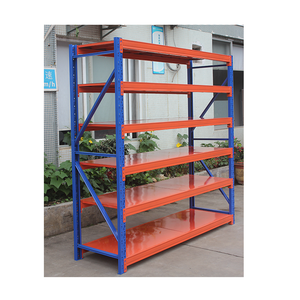
Certified Safe & Stable Industrial Steel Warehouse Pallet Rack Shelving
Heavy-duty bolted selective racking for direct access, WMS-controlled FIFO rotation and mixed pallet profiles.
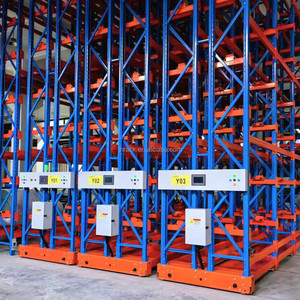
Industrial Heavy Duty High Efficiency Electric Mobile Pallet Racking System
Rail-guided mobile bases reduce aisle count and improve cube utilisation where São Paulo floor space is expensive.
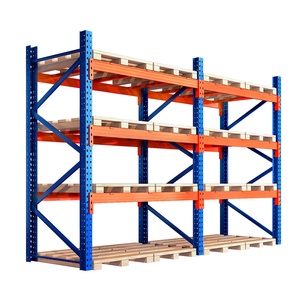
Industrial Heavy Duty Warehouse Steel Pallet Racking System
Scalable pallet storage for distribution centres, 3PL operations and industrial spare-parts warehouses.
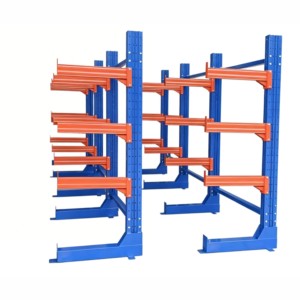
Cold-Rolled Steel Double-Sided Cantilever Warehouse Storage Rack
Open-front cantilever storage for pipes, profiles, timber and building materials in São Paulo industrial yards.
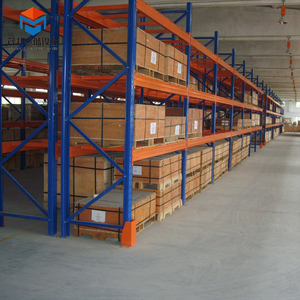
Factory Price Industrial Warehouse Heavy Duty Storage Tray Rack System
Cost-effective pallet racking for fast-moving consumer goods, retail distribution and wholesale inventory.
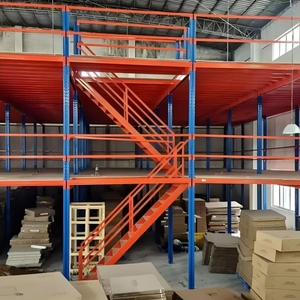
Heavy Duty Mezzanine Floor Racking Warehouse Storage Platform
Add picking, packing or storage area inside an existing building — valuable where new land is constrained.
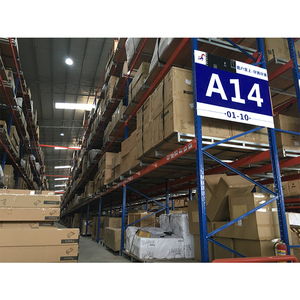
Industrial Storage Rack Heavy Duty Steel Pallet Rack System
A flexible base for pallet racking, picking faces and future automation in high-throughput warehouses.
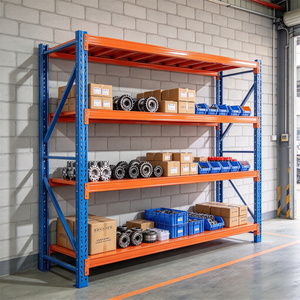
Steel Boltless Rivet Shelving Powder Coated Corrosion Protection
Quick-assembly hand-loaded shelving for spare parts, e-commerce SKUs and small-batch inventory.
A FIFO Racking Supplier for Warehouses That Cannot Afford Slow Inventory
First In First Out racking is not simply a product category. It is an inventory discipline that protects shelf life, lot traceability and working capital.
São Paulo is Brazil’s largest industrial, retail and distribution market. Warehouses in Guarulhos, Barueri, Cajamar, ABC Paulista, Campinas and the Santos logistics corridor face high land costs, tight delivery windows and growing pressure to prove product rotation. For food, pharmaceuticals, cosmetics, automotive parts and export cargo, a FIFO racking system helps move older stock first, reduce obsolete inventory and make replenishment more predictable.
As a FIFO racking supplier and wholesaler serving the São Paulo market, Real Nice Racks LLC combines layout engineering, EN-standard racking design logic, export packing and project documentation. Our team works from real pallet dimensions, load weights, clear height, forklift type and SKU velocity — not a catalogue template. The result is a storage system that fits how your warehouse actually receives, stores and ships goods.
Procurement teams also need defensible technical files. Every serious FIFO project should include load calculations, load signage, installation records, inspection guidance and a clear maintenance plan. That documentation matters to operations, insurers, local engineers and buyers comparing CE-oriented products with Brazilian project requirements.
What a strong FIFO brief should define
- Warehouse location, clear height and slab tolerance
- Pallet size, weight, overhang and load stability
- SKU count, batch size and required FIFO rotation
- Forklift, reach truck, AGV or shuttle equipment
- Cold-chain, corrosion or hygiene requirements
- Installation sequence and future expansion plan
Where FIFO Racking Earns Its Place in Greater São Paulo
FIFO racking is most valuable where date code, batch integrity or product freshness affects margin. These are the warehouse scenarios São Paulo buyers most often ask us to evaluate.
Cold-chain food distribution
Pallet flow and mobile racking help cold stores serving Santos, Campinas and the São Paulo metropolitan area rotate fruit, protein, dairy and frozen products while reducing refrigerated aisle volume.
Pharmaceutical and healthcare logistics
Batch-controlled FIFO lanes support lot rotation, recall readiness and cleanable steel layouts for distributors serving São Paulo hospitals, clinics and pharmacy chains.
Automotive and industrial spare parts
ABC Paulista manufacturers and suppliers use heavy-duty pallet racking, cantilever and boltless shelving to protect high-value components and keep production sequences intact.
E-commerce and 3PL fulfilment
In Guarulhos, Cajamar and Barueri, carton flow, mobile racking and mezzanine picking faces reduce travel time and improve cut-off performance for high-SKU operations.
Food, beverage and retail distribution
Campinas, Ribeirão Preto and São Paulo distribution centres use FIFO flow racking to manage promotions, seasonal campaigns and date-sensitive consumer goods.
Import and export logistics
Projects linked to Santos port benefit from export packing, container planning, phased delivery and installation supervision for warehouses feeding Brazil’s global supply chains.
Choosing the Right FIFO Racking Configuration for Your Load Profile
Not every high-density system is FIFO. For tender clarity, specify whether you need true first-in, first-out flow, WMS-managed rotation or simply higher storage density.
Pallet Flow Racking
Pallets load at the rear and flow to the pick face on rollers. Excellent for stable pallets, dated stock and medium-to-high volume lanes. Requires disciplined pallet quality and lane design.
Carton Flow Shelving
Ideal for small parts, healthcare SKUs, cosmetics and e-commerce pick faces. Older cartons present at the front while replenishment is loaded from the rear.
FIFO Pallet Shuttle
A powered shuttle moves pallets into deep lanes, supporting high-density buffering and FIFO or LIFO configurations depending on system design and controls.
Mobile Racking + WMS
Mobile bases compact storage and open one aisle on demand. FIFO is controlled by WMS task sequencing, making it strong for cold stores and high-value inventory.
What “CE Certified” Should Mean in a São Paulo Racking Tender
CE marking is often discussed too broadly in warehouse equipment procurement. A credible supplier should separate component marking, system design, local approvals and installation records.
For steel racking, buyers should expect structural calculations, component traceability and a technical file that can be reviewed by a Brazilian engineer. CE marking may apply to certain steel components under applicable harmonised standards, while the complete storage system still requires site-specific design. In practice, a strong compliance package combines CE-related declarations, EN design logic and Brazilian project review.
Our approach is to align static racking design with EN 15512, floor tolerance and inspection guidance with EN 15620 and EN 15635, and seismic methodology with EN 16681 / FEM 10.2.08 where relevant. For São Paulo projects, final documentation is coordinated with Brazilian practice and local structural review where the project requires it. This is especially important for warehouses in existing buildings, where slab condition, anchor performance and clear height often govern the safest solution.
Local Trends Reshaping Racking Demand in São Paulo
Warehouse decisions in São Paulo are driven by land scarcity, service-level pressure and the need to make existing buildings work harder. These trends change the brief for FIFO racking.
Retrofit before relocation
Industrial land around Guarulhos, Barueri and Cajamar is expensive and scarce. Mezzanines, mobile racking and high-density FIFO lanes help increase capacity without new construction.
Faster e-commerce cut-offs
3PLs and urban fulfilment centres need shorter pick paths and clear replenishment rules. Carton flow, labelled pick faces and mobile storage support higher order velocity.
Less refrigerated aisle volume
Cold stores handling food and healthcare products face high energy costs. FIFO flow racking and mobile systems reduce the air volume that must be cooled while protecting batch rotation.
Design for the next phase
Even manual warehouses should be planned for future shuttle, AGV or semi-automated storage. Standardised beams, lane geometry and clear documentation reduce the cost of later upgrades.
Why Buyers Choose Real Nice Racks LLC for FIFO Racking in São Paulo
Our work is built around engineering logic, export-ready supply and long-term support rather than one-off equipment sales.
Data-led layout engineering
We start with pallet profiles, SKU velocity, clear height, forklift type and throughput data, then compare FIFO flow, selective, mobile and high-density options.
EN and Brazilian documentation
Design references, load signage, installation records and inspection guidance support safety reviews, insurer questions and future expansion planning.
Cold-chain experience
Chilled and freezer-ready solutions down to approximately -30°C support fruit, seafood, meat, dairy and pharmaceutical distribution hubs.
Retrofit and capacity gain
High-density racking, mezzanines and mobile systems can unlock up to 20% more storage capacity in suitable buildings without the cost and delay of new construction.
Wholesale supply and export packing
Container planning, component standardisation and export packing help wholesalers, integrators and end users manage freight and phased site delivery.
Lifecycle service
Site survey, installation supervision, inspection, damage repair, spare parts and capacity upgrades continue after handover. Support is available in English, Portuguese and Spanish.
From São Paulo Site Survey to Documented Handover
A clear project sequence keeps budgets, shipping and installation realistic — especially when a FIFO racking system must fit into an operating warehouse.
Analyse
Site survey, pallet data, floor condition, clear height and SKU velocity.
Design
Layout options, structural calculations, FIFO logic and capacity comparison.
Manufacture
Quality-controlled steel production, labelling and export packing.
Deliver & install
Shipment to Santos or the agreed port, followed by supervised installation.
Support
Inspection, load signage, spare parts, repairs and future capacity upgrades.
FAQ: What São Paulo Buyers Ask Before Ordering FIFO Racking
These are the practical questions raised by procurement, operations and engineering teams when comparing CE-oriented FIFO racking suppliers.
What does a CE-certified FIFO racking system include?
A credible offer should clarify which components are CE-marked, which design standards are used and how the final installation is checked. Expect structural calculations, component traceability, load plates and a declaration for CE-marked steel components where applicable.
Is CE marking automatically accepted in Brazil?
No. CE-related documentation is valuable, but Brazilian projects may still require local engineering review, Portuguese documentation and alignment with ABNT NBR 15524 or project-specific structural requirements. The importer and local engineer should confirm final acceptance.
Which FIFO system is best for cold storage?
Pallet flow racking, FIFO shuttle and mobile racking can all be specified for cold stores. The right choice depends on SKU count, load stability, temperature, frost behaviour and how much refrigerated aisle space you want to remove.
What information is needed for a quotation?
Send warehouse location, floor plan, clear height, pallet dimensions, load per pallet, SKU velocity, required capacity, handling equipment and any cold-chain or hygiene requirement. A layout sketch or photos of the site help us respond faster.
Can you retrofit an existing São Paulo warehouse?
Yes. Retrofit scope often includes re-layout, mezzanine floors, mobile racking, high-density flow lanes and narrow-aisle configurations. The first step is a feasibility review of slab condition, clear height, fire strategy and forklift access.
Do you support installation in Brazil?
We support layout engineering, export packing, delivery planning and installation supervision. Depending on the project, installation can be coordinated with local partners and documented through checklists, load signage and handover records.
What about lead time and shipping to Santos?
Lead time depends on system complexity, steel availability, consolidation and vessel schedules. A typical plan covers design approval, manufacture, export packing, ocean freight to Santos or another agreed port, customs clearance by the importer and phased installation.
How do you handle spare parts and after-sales support?
We recommend a spare-parts list for beams, uprights, safety clips, rollers, anchors and impact protection. Periodic rack inspection, damage repair and future capacity upgrades help protect the investment after handover.
Send Your Warehouse Data. Receive a FIFO Layout Direction and Product Catalog.
Share your São Paulo warehouse location, floor plan, clear height, pallet size, load per pallet and handling equipment. Our team can compare selective, flow, mobile and high-density options and outline the documentation required for your procurement process.
Project enquiries: [email protected] · Technical support in English, Portuguese and Spanish.