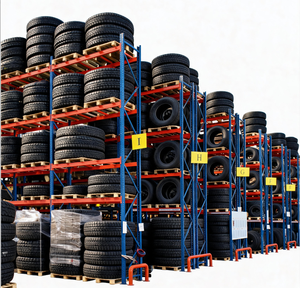
Custom Heavy-Duty
View product
Custom Heavy-Duty Industrial Pallet Racking Platform
Adjustable Q235 steel beam rack with powder-coated finish, configured for local pallet sizes and high-turnover warehouse layouts.
Engineered pallet racking, high-density platforms and cold-store systems for La Libertad’s agro-export, 3PL, retail and manufacturing warehouses — documented to EN 15512 / EN 15635 principles and coordinated with Peru’s E.030 seismic requirements.
Trujillo buyers rarely need a generic rack. They need a platform that fits the pallet profile, clear height, forklift fleet, seismic zone, humidity exposure and the way goods move from the Chavimochic agro-industrial corridor to Salaverry, Callao or Lima. The eight systems below are the practical starting point for a quotation and layout study.
Adjustable Q235 steel beam rack with powder-coated finish, configured for local pallet sizes and high-turnover warehouse layouts.
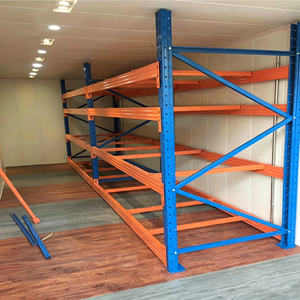
Selectable 1,000 / 2,000 / 3,000 kg per-layer capacity, ideal for dense food, beverage and distribution pallet flows.
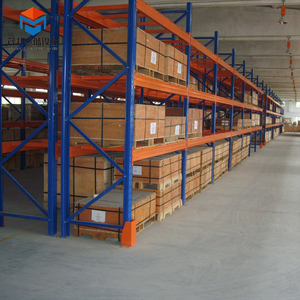
Heavy-duty tray racking for palletised stock, spare parts and export lots where direct access and cost control matter.
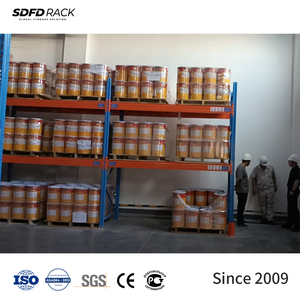
Robust steel rack and shelving combination for warehouses that store mixed pallet, carton and spare-part inventories.
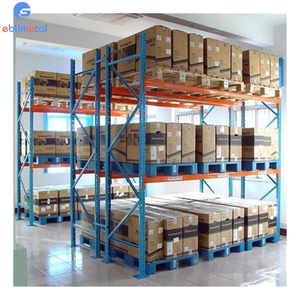
Industrial pallet rack shelf for stable stacking and high-density storage in 3PL, food and general distribution facilities.
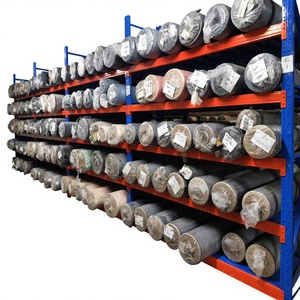
Super load-bearing, powder-coated medium-duty storage for supermarket, retail and mixed-SKU warehouse operations.
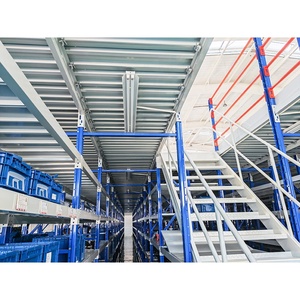
500 kg/m² mezzanine shelving system for picking, packing, chemical storage zones and space-constrained urban warehouses.
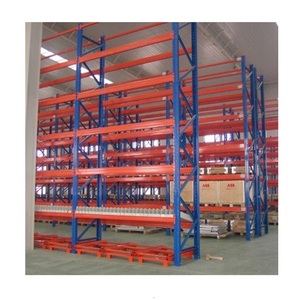
Factory-price pallet racking storage system for new warehouses, retrofit projects and scalable distribution centres.
Trujillo is no longer a secondary warehouse market. The La Libertad agro-industrial corridor, the Chavimochic irrigation project, the Port of Salaverry and the Panamericana Norte have created a dense network of packing houses, cold stores, 3PL operators, importers and manufacturers serving northern Peru. For procurement teams, a pallet rack platform is not a commodity purchase. It is the steel backbone that determines how many pallets can be stored, how quickly a reefer container can be loaded, and whether the warehouse can pass a safety inspection without costly remedial work.
CE certification is often misunderstood. The useful definition is not a single logo on a quotation; it is a system engineered to EN 15512, with floor tolerances per EN 15620, operation and inspection guidance per EN 15635, and seismic design principles per FEM 10.2.08 / EN 16681 where the site demands them. CE-marked components can be used where applicable, but in Peru the project still needs a structural check coordinated with E.030 and reviewed by a locally licensed engineer when required. That is the evidence Trujillo buyers should request: calculations, load signs, anchor details, installation records and a traceable inspection regime.
The coastal environment changes the specification as well. Salt-laden air, humid periods and temperature swings in packing houses make powder-coating quality, fastener protection and drainage details more important than in a dry inland warehouse. In cold stores, the rack must perform at chilled or frozen temperatures. In agro-export facilities, it must support fast pallet turnover. In 3PL operations, it must allow the layout to change as clients change. A CE-aligned platform with adjustable beams, replaceable components and clear load signage is far more resilient than a low-cost fixed layout.

Documented installation, load signage and handover records are part of the value proposition — not an afterthought.
The right platform is shaped by the goods, the climate, the labour model and the shipping schedule. These are the most common warehouse profiles we see in and around Trujillo.
Blueberry, avocado, asparagus, table grape and mango packhouses in La Libertad need racking that matches rapid intake, pre-cooling and container loading. Selective and mobile pallet racking protect pallet integrity in chilled rooms and keep export lots accessible.
Third-party logistics operators around Trujillo serve retail, food service and e-commerce clients. Adjustable selective racking plus mezzanine picking areas lets them reconfigure without changing the building when client volumes change.
Consumer expectations in northern Peru are moving fast. Shelf-ready carton picking, multi-level racks and mezzanine floors increase SKU capacity within urban warehouses where expansion land is limited and lease costs are rising.
Sugar, rice, dairy, beverage and fish-processing supply chains need hygienic, inspectable storage. Powder-coated steel, clean beam levels and clear safety signage support audit-friendly warehouses and safer forklift movement.
Workshops serving transport, construction and fishing fleets use heavy-duty shelving and pull-out units for tools, dies and spare parts, keeping high-value items accessible by crane or forklift without wasting floor space.
Specialised storage requires segregation, spill control and stable capacity. Mezzanine shelving and industrial racking can be configured around compliance zones, dedicated picking aisles and inspection access points.
The market is shifting from “buy more rack” to “prove the storage system will perform.” These four trends are shaping specifications, tenders and supplier selection in La Libertad.
Trujillo sits in Peru’s high-seismic coastal zone. Buyers increasingly ask for E.030-aligned review, anchor design and documented load cases before they issue a purchase order.
New packing houses, blueberry orchards and avocado exports are expanding around Chao, Virú and Trujillo. Space near Salaverry is being designed around reefer flows, pre-cooling and container scheduling.
Industrial land near the Panamericana Norte is no longer cheap. High-density racking, mobile racking and mezzanines are being used to add pallet positions without buying new land.
Procurement teams now request 3D layouts, load signs, inspection schedules and spare-parts lists as part of the tender. The lowest price is being replaced by lowest lifecycle risk.
| Trujillo Warehouse Profile | Recommended Platform | Why It Fits |
|---|---|---|
| Agro-export cold store | Selective pallet racking, mobile racking or drive-in | Protects pallet integrity, supports chilled or frozen operation and keeps export lots accessible for fast container loading. |
| Multi-client 3PL | Adjustable selective racking + mezzanine shelving | Flexible beam levels and extra picking area allow the layout to be reconfigured as client volumes change. |
| High-volume distribution | P90 high-density, push-back or pallet shuttle | More pallet positions per square metre when land and building costs are rising. |
| Factory & MRO store | Industrial shelving, cantilever and pull-out units | Safe access to long, heavy or high-value items without wasting floor area. |
| Retail & e-commerce | Multi-level racking, mezzanine and carton shelving | Increases SKU density and pick faces inside constrained urban warehouses. |
Real Nice Racks LLC designs and supplies industrial storage systems — pallet racking, mobile racking, shelving, cantilever, mezzanines and semi-automated storage — for warehouses and distribution centres across South America. For a Trujillo buyer, the advantage is not simply a product list. It is access to a technical team that can translate a floor plan, pallet profile, forklift type, clear height and seismic zone into a workable storage layout, then support the project through export packing, shipping, installation and inspection.
The company works with manufacturing partners and engineers to align projects with recognised European racking standards while coordinating local requirements such as Peru’s E.030. Support is available in English, Spanish and Portuguese, which matters when a project involves a Peruvian developer, an international retailer, a cold-chain operator and a foreign insurer. The goal is a storage platform that is safe to operate, easy to inspect and flexible enough to grow without rebuilding the warehouse.
Survey, layout, structural design, manufacturing coordination, export packing and installation support from one team.
Capacity tables, load signage, anchor details and inspection guidance prepared around EN 15512 / EN 15635 practice.
Export experience for ports such as Salaverry, Callao, Santos, San Antonio, Buenos Aires, Cartagena and Guayaquil.
Inspection, repair, capacity upgrades and spare-part planning for the full operating life of the system.

Mobile racking reduces aisle space and can lower refrigerated air volume in cold-store projects.
For a Trujillo project, the strongest specification is one that can be checked. The racking should be designed to a recognised static design basis, with floor tolerance and installation tolerance stated, seismic assumptions documented where applicable, and a clear inspection regime supplied at handover. The supplier should be able to explain how base plates, anchors, bracing and beam connectors are selected for the site — not simply quote a load per level.
A well-prepared technical package usually includes layout drawings, beam load tables, upright capacity information, anchor specifications, load signage, installation instructions and an inspection checklist. For cold stores and agro-export facilities, it should also address coating durability, condensation risk, wash-down exposure and access for cleaning. For 3PL warehouses, it should show how the system can be reconfigured when client demand changes. These documents are what convert a “CE certified” claim into a defensible procurement decision.
| Standard / Code | Role in a Trujillo Rack Project |
|---|---|
| EN 15512 | Design basis for adjustable steel pallet racking and structural verification. |
| EN 15620 | Floor and installation tolerances that affect beam engagement and safety. |
| EN 15635 | Use, inspection and maintenance guidance for an operating racking system. |
| FEM 10.2.08 / EN 16681 | Seismic design principles where the site and project require dynamic analysis. |
| Peru E.030 | Local seismic code framework to be coordinated with a licensed structural engineer. |
Planning index: selective racking = 100. Actual results depend on pallet size, clear height, aisle width, code requirements and handling equipment.
Seismic, fire and egress requirements can reduce the achievable index. Always confirm with a project-specific layout study.
Use the comparison to frame a layout study — not to replace one.
A five-stage process keeps budgets predictable, installation safer and the final storage system easier to inspect.
Warehouse location, floor plan, clear height, pallet weight, SKU velocity and seismic zone.
Layout options, rack type comparison, capacity check and structural documentation.
Quality-controlled steel production, powder coating and export packing for sea freight.
Shipment via Salaverry or Callao, supervised installation and documented handover.
Rack inspection, damage repair, training, spare parts and future capacity upgrades.
Practical answers for warehouse owners, project managers, 3PL operators and procurement teams comparing pallet rack platform suppliers.
Yes. Projects for Trujillo can be quoted with export packing and shipment to Salaverry, Callao or another agreed Peruvian port, followed by inland delivery and supervised installation support. The quotation should state the shipping terms, packing method, expected unloading requirements and whether installation supervision is included. For cold-store or agro-export projects, confirm the delivery sequence against pre-cooling, commissioning and peak export season dates.
It should mean the racking system is supported by a CE/EN-aligned technical package: design to EN 15512 principles, floor and installation tolerances per EN 15620, use and inspection guidance per EN 15635, and seismic design principles such as FEM 10.2.08 / EN 16681 where relevant. CE-marked components may be used where applicable. In Peru, the project still needs to be coordinated with E.030 and reviewed by a locally licensed structural engineer where required.
Yes. Trujillo’s coastal location places seismic design at the centre of the specification. Base plates, anchors, bracing and beam connectors should be selected for the site’s seismic zone, soil conditions and rack height. For projects requiring formal approval, the supplier should provide load cases, anchor details and layout drawings that a local engineer can review against E.030. Do not accept a generic seismic statement without project-specific calculations.
Yes. Cold-store pallet racking, mobile racking and high-density systems can be specified for chilled and frozen environments, including freezer applications. The specification should address coating performance, condensation, low-temperature steel behaviour, anchor design and access for cleaning. For agro-export cold stores, mobile racking can be attractive because it reduces aisle volume and the amount of air that must be refrigerated.
Start with the operating requirement. Selective racking is best when every pallet must be accessible and SKU variety is high. Drive-in and push-back increase density when the same SKUs are stored in blocks. Pallet shuttle suits high-throughput, high-density storage. Mobile racking is effective where floor space is expensive or refrigerated volume must be reduced. A good supplier will compare at least three layouts using your pallet dimensions, clear height and forklift data before recommending a platform.
Send the warehouse location, floor plan or sketch, clear height, pallet length, width and height, load per pallet, number of pallet positions required, forklift or reach-truck type, and whether the facility is ambient, chilled or frozen. If the project is a retrofit, include photos of the existing racking, floor condition and any known damage. If the warehouse is near the coast, mention humidity and salt exposure so the coating specification can be reviewed.
Yes. Retrofit projects commonly combine a new layout, higher-density racking, mezzanine floors and improved aisle design. The first step is a site survey to confirm floor condition, clear height, column positions, fire egress and the condition of any existing racking. A well-planned retrofit can avoid the cost and delay of new construction while improving safety and pallet capacity. Existing rack should be inspected before it is reused or integrated into a new layout.
After handover, the operating team should receive load signage, inspection guidance and a clear process for reporting damage. Suppliers can support periodic rack inspection, replacement parts, capacity upgrades and reconfiguration as the business grows. For 3PL and agro-export operations, keeping inspection records is especially important because insurer, client and safety audits may request evidence that the racking is maintained in safe working condition.
Share your warehouse location, floor plan, clear height, pallet dimensions, load per pallet and handling equipment. The project team can review the data and recommend a practical layout for selective racking, high-density storage, mobile racking, cold-store racking or a mezzanine platform. If you are comparing suppliers, ask for documented capacities, seismic assumptions and an inspection plan before you compare price alone.
Get a Quote