Racking Systems and Upright Frames Recommended for Oruro Warehouses
The eight systems below cover the most common Oruro buying intents: mining spare-parts storage, heavy pallet loads, retail and e-commerce picking, mezzanine expansion, bulk raw materials and durable steel shelving. Each product can be supplied with export packing, load documentation and upright frames configured for your warehouse layout.
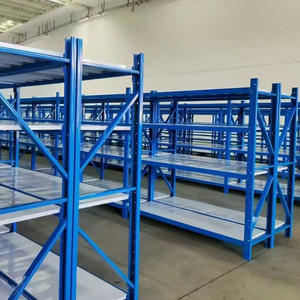
Manufacture Factory 4 Layers Metal Materials Light Duty Racks Warehouse Storage Racks
A practical choice for small parts, hardware, retail stock and e-commerce SKUs in Oruro. The light-duty upright frames support modular shelf levels and are easy to relocate when product lines change.
View product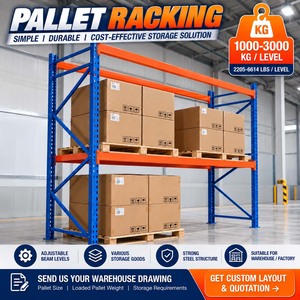
Wholesale Heavy Duty Pallet Racking System up to 3000 kg Per Level for Industrial Warehouse Storage
A strong fit for palletized mining consumables, spare parts and imported industrial goods. Heavy-gauge uprights, beam locking and base plates help maintain stable load paths in high-altitude logistics operations.
View product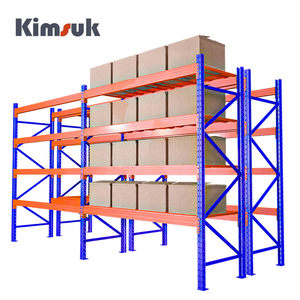
Industrial Shelving Heavy Duty Storage Rack System Warehouse Pallet Storage Solutions Racking for Warehouse Shelf
Ideal for mixed storage environments where cartons, tools and palletized goods share space. The system can be configured with reinforced uprights and shelf levels for Oruro distributors that need flexibility.
View product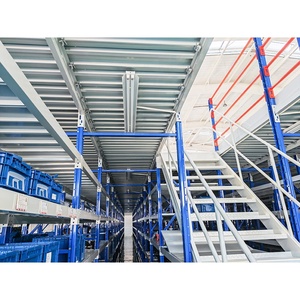
E-commerce and Chemical Plant Warehouse Storage Mezzanine Shelving Rack with Load of 500kg Per square Meter
Use vertical space without extending the building. This mezzanine concept suits Oruro retailers, chemical suppliers and e-commerce operators that need more pick faces, packing zones or reserve storage.
View product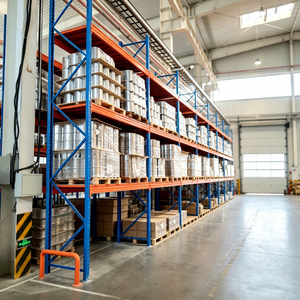
Practical Heavy Load Pallet Shelving Frame for Factory Warehouse Logistics Park and Bulk Raw Material Storage Pallet Rack
Built for factory warehouses, logistics parks and bulk raw material stores. The upright frame design prioritizes impact resistance and straightforward inspection in dusty, high-traffic environments.
View product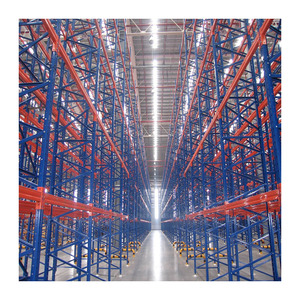
Mracking Heavy Duty Industrial Palletized Racking with a Capacity of 1000-4000kg Industrial Storage Racking
Recommended for dense palletized loads, mining supplies and industrial inventories. The heavy-duty upright and beam solution supports a broad capacity range, with layouts tailored to forklift access and aisle width.
View product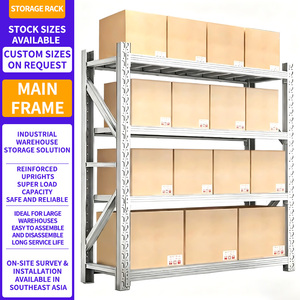
Factory Customized 500kg Per Layer Adjustable Warehouse Pallet Storage Racking for Logistics Warehouse Storage Shelving
A flexible option for logistics operators that need adjustable beam levels and customized upright frames. Suitable for fast-moving distribution stock, spare parts and multi-SKU warehouse shelving.
View product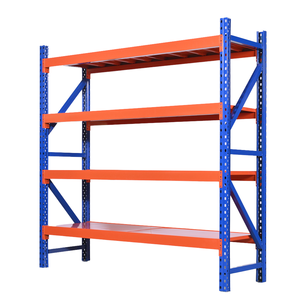
Factory Price Wire Shelving & Display Rack Units 200kg 300kg 500kg Stacking Racks for Durable Warehouse Storage Made of Steel
Useful for retail displays, hardware stores, spare-parts counters and warehouse picking areas. Steel wire shelving improves visibility and airflow, making it practical for dusty Oruro environments.
View productNeed an Oruro-Specific Racking Layout?
Send your warehouse dimensions, pallet weight, clear height, forklift type and product photos. We will help define the right upright frame, beam level and load capacity for your project.
Get CatalogWarehouse Racking Uprights for Oruro: Altitude, Mineral Dust and Long Supply Chains
Oruro is not a generic warehouse market. At roughly 3,700 m above sea level, the city combines mining supply chains, imported industrial goods, high UV exposure, mineral dust, cool nights and long inland transport routes. Buyers sourcing from China top warehouse racking upright manufacturers and exporters should therefore evaluate more than price per kilogram of steel.
Mining Supply Chains Drive Load Diversity
Oruro’s economy is closely linked to mining and mineral processing. A single warehouse may hold crusher parts, PPE, pump components, lubricants, cables, tyres and fast-moving consumables. Heavy-duty uprights and mixed selective racking usually serve this profile better than a single-purpose layout.
Inland Logistics via Pacific Ports
Imported racking often arrives through Arica or Iquique before road transport to Oruro. Upright frames should be export-packed for long handling routes, clearly labelled by bay, and protected at base plates and beam connection points to reduce site rework.
Dust, UV and Temperature Cycling
Mineral dust can accelerate wear at moving connections, while intense UV and cool nights challenge thin paint systems. Specify zinc-rich powder coating or hot-dip galvanizing where exposure is severe, and plan inspection access around upright frames.
How to Specify Racking Uprights for Oruro’s High-Altitude Warehouses
An upright frame is the vertical load-bearing backbone of a racking system. It includes the uprights, bracing, base plates and anchor points. The specification should be based on real pallet data, floor conditions and handling equipment, not only on the roof height or building footprint.
Verify Upright Section and Load Path
Do not compare uprights by height alone. Compare steel section, thickness, bracing pattern, perforation spacing, beam connector and the verified capacity of the complete frame. For mining spare parts, ask for the capacity per pair of uprights under the actual beam spacing.
Base Plates, Anchors and Seismic Review
Oruro projects should not ignore seismic and wind load assumptions. Base plate size, anchor type, bracing and beam-to-upright connectors should be reviewed against the slab condition and local engineering requirements. Where needed, calculations can be coordinated with a licensed local engineer.
Choose the Right Surface Protection
For Oruro warehouses near mineral handling or heavy road dust, standard paint may not be enough. Consider galvanized uprights, reinforced powder coating, protected base plates and touch-up kits. This reduces long-term maintenance and preserves legibility of load signs.
Plan Export Packing and Container Loading
Upright frames are long, heavy and sensitive to handling damage. Export packing should protect corners, base plates and beam slots. Mixed containers may include uprights, beams, wire decks, column guards and anchors, with each package marked by bay and installation sequence.
Check Floor Tolerance and Installation Tolerances
Older Oruro warehouses may have uneven slabs. Floor flatness and levelness influence upright plumbness, shimming and anchor performance. Installation should follow a documented sequence, with torque checks, verticality checks and load signage completed before handover.
Build an Inspection and Spare-Parts Routine
Forklift impacts are the leading cause of upright damage in busy warehouses. Use column guards, define aisle markings and keep a small stock of replacement uprights, shims and touch-up paint. Periodic inspections help protect pallet loads and extend system life.
Where Oruro Buyers Use Warehouse Racking and Upright Frames
The right racking system depends on how goods arrive, how often they move and who handles them. These are the most common local application scenarios for industrial racking, shelving and upright frames in and around Oruro.
Mining MRO and Spare-Parts Warehouses
Heavy-duty selective racking with reinforced uprights is often the best starting point. Use wide beam adjustments for drums, motors and pump assemblies, and keep fast-moving consumables at accessible heights. Column guards are essential in forklift-intensive zones.
Mineral Processing and Smelter Supplies
For corrosive or dusty environments, upright finishes and inspection access matter. Store bagged reagents, refractory materials, spare screens and PPE on heavy pallet racking with clearly marked load limits and protected base plates.
Quinoa, Food and Agricultural Distribution
Food and agricultural distributors need cleanable storage, clear labels and efficient picking. Mezzanine shelving, light-duty racks and adjustable pallet storage can separate reserve stock from fast-moving retail packs. Cold-chain options exist when temperature control is required.
Retail and E-commerce Fulfilment
SKU count grows quickly in Oruro’s retail and e-commerce channels. Wire shelving, 4-layer light-duty racks and multi-tier picking systems improve access to cartons, electronics, apparel and household goods without wasting vertical space.
Construction Materials and Industrial Hardware
Long goods, pipes, fittings and heavy hardware should not be forced into standard selective racks without review. Use pallet shelving frames, heavy-load uprights and dedicated long-goods zones. Adequate aisle and turning space improves forklift safety.
Importers, 3PLs and Distribution Centres
Importers need rack systems that can grow with demand. Adjustable pallet racking and mezzanine platforms allow phased investment, while clear documentation helps warehouse teams train staff and demonstrate safety compliance to customers or insurers.
Oruro Market Trends Shaping Warehouse Racking Demand
Procurement decisions in Oruro are being influenced by mining activity, import logistics, retail modernisation, safety documentation and the need to do more within existing buildings. These trends are useful for buyers preparing a 12–36 month storage plan.
Mining Investment Encourages Heavy-Duty Storage
Mining and mineral processing supply chains require durable storage for parts, PPE and consumables. Buyers increasingly ask for higher load ratings, replaceable uprights and protective accessories rather than the lowest-cost light racking.
Pacific Port Routes Reward Better Export Packing
Racking imported through Arica, Iquique or Callao must survive multiple handling steps. Exporters that label upright frames by bay, protect base plates and supply clear packing lists reduce installation delays and site disputes in Oruro.
High-Density Retrofits Replace New Construction
Where land or construction budgets are constrained, businesses improve layout, narrow aisles and add mezzanine or multi-tier storage. High-density and adjustable systems can unlock more pallet positions without expanding the building footprint.
Retail and E-commerce Demand Flexible Picking
Oruro’s urban retail and e-commerce growth increases SKU variety and order frequency. Wire shelving, light-duty racks and multi-level picking areas help operators separate fast movers from reserve stock and improve order accuracy.
Safety Documentation Becomes a Buying Requirement
Insurers, multinational customers and auditors increasingly request load signs, capacity tables, anchor information and inspection records. A racking supplier that provides documentation is easier to approve than one that only supplies steel.
Lifecycle Service Matters More Than One-Time Delivery
Warehouse teams need spare uprights, column guards, beam replacements and inspection support after installation. Suppliers that offer a long-term parts and service pathway reduce downtime and protect the original storage investment.
Which Racking Configuration Fits Your Oruro Warehouse?
Use this quick comparison to align storage type with selectivity, density and local handling conditions. A final recommendation should be confirmed with pallet dimensions, load weight, aisle width, floor condition and clear height.
Selective Pallet Racking
Best for mixed SKUs, fast access and mining spare-parts stores. Every pallet is directly accessible, making it suitable for changing inventory and multi-supplier receiving schedules.
- Recommended for 1000–4000 kg pallet loads
- Easy to inspect and reconfigure
- Pair with column guards in busy aisles
High-Density / Drive-In Storage
Useful for concentrated SKUs such as bagged materials, repeated cartons or seasonal stock. Higher density reduces aisle demand, but upright frames need strong impact protection because access space is tighter.
- Better for low-variety, high-volume stock
- Requires disciplined forklift operation
- Check ladder and rail compatibility carefully
Mezzanine and Multi-Tier Shelving
Ideal for retail, e-commerce, spare-parts counters and light industrial goods. A mezzanine creates additional floor area for picking, packing or offices without a new building.
- Supports 500 kg/m² mezzanine concepts
- Good for cartons and hand-loaded stock
- Combine with wire shelving and pick bins
Why Engineering-Led Exporters Win Oruro Racking Projects
For Oruro buyers comparing China top warehouse racking upright manufacturers and exporters, the strongest suppliers combine steel manufacturing discipline with layout engineering, export packing and after-sales documentation. Real Nice Racks LLC’s project approach reflects those principles for warehouses and distribution centres across South America.
Engineering Standards and Load Documentation
Racking design can follow EN 15512 principles, with floor tolerance guidance from EN 15620 and inspection guidance from EN 15635. Seismic references may include FEM 10.2.08 / EN 16681, coordinated with local engineering requirements. Load signs and capacity tables support safer operation.
Seismic-Aware Design for Andean Projects
Base plates, anchors, bracing and beam connectors should be specified for the site, not copied from a generic catalogue. For Oruro and South American projects, calculations can be reviewed with locally licensed structural engineers when required.
South America Support Experience
Real Nice Racks LLC supports projects across Brazil, Chile, Peru, Colombia, Argentina, Ecuador, Uruguay, Paraguay and Bolivia, with technical communication in English, Spanish and Portuguese. This helps Oruro importers coordinate drawings, shipping and installation instructions.
Cold-Chain and Harsh-Environment Options
Chilled and freezer systems can be specified for food, seafood, meat and dairy supply chains, with options suited to approximately -30°C. For Oruro’s dusty and high-UV environment, surface protection and service access can be adapted to actual site conditions.
Full Lifecycle Project Delivery
Project support can cover site survey, SKU and throughput analysis, layout design, structural calculations, manufacturing, export packing, shipment to the nearest port, supervised installation and handover with inspection documentation.
Buyer-Friendly Technical Communication
Procurement teams can request catalogues, layout options, capacity data and packing lists before placing an order. Clear technical communication reduces the risk of wrong upright heights, missing anchors or incompatible beam levels after the container arrives.
Common Questions from Oruro Racking Buyers
These are the questions frequently raised by local importers, warehouse managers and engineering teams when sourcing pallet racking, upright frames and warehouse shelving from international manufacturers and exporters.
What upright load rating should I choose for an Oruro mining spare-parts warehouse?
Start with the heaviest pallet and the beam spacing you actually plan to use. For mining spare parts, motors, pump components and dense industrial goods, heavy-duty pallet racking rated around 1000–4000 kg per level is often a relevant range, but the final rating must be confirmed for the complete upright frame and beam configuration. Do not compare only a single upright’s size; ask for the capacity of the assembled frame, the beam level and the floor fixing assumptions.
Does Oruro’s 3,700 m altitude reduce racking upright load capacity?
Static steel racking capacity is primarily governed by the steel section, bracing, beam connection, load distribution and anchoring, not by altitude alone. However, altitude affects installation logistics, operator comfort, forklift performance and equipment selection. A supplier should design for the actual loads and site conditions while considering practical installation and maintenance in Oruro’s high-altitude environment.
Which finish is best for Oruro’s dust, UV exposure and temperature swings?
For general indoor warehouses, a properly applied powder coating is often acceptable. For severe dust, abrasive minerals or visible UV exposure, specify a thicker coating, zinc-rich system or hot-dip galvanized option where appropriate. Base plates and lower upright sections should be easy to inspect and touch up. If the warehouse handles corrosive chemicals, provide the chemical exposure details so the coating can be reviewed.
How is racking shipped to Oruro, and which port is commonly used?
Many Bolivian imports enter through Pacific ports such as Arica or Iquique and then move by road to Oruro. Some projects may use other routes depending on cargo origin, customs arrangements and project timing. Upright frames should be export-packed in bundles, labelled by bay, protected at base plates and beam slots, and accompanied by a packing list that matches the installation drawing.
Can you provide seismic and anchor design information for a Bolivian project?
Yes. Racking can be reviewed with seismic design references such as FEM 10.2.08 / EN 16681 and coordinated with local requirements and a licensed local structural engineer where required. The project should include slab information, anchor type, base plate details, bracing arrangement and the intended rack height. Final installation should follow approved drawings and local site conditions.
What is the typical minimum order and lead time for Oruro buyers?
Minimum order and lead time depend on the product mix, height of uprights, beam lengths, accessories and whether the order is a single urgent spare-parts package or a full warehouse project. A cost-effective export order is often planned as a mixed container of uprights, beams, shelves and protection accessories. Final lead time is confirmed after drawings and packing details are approved.
Can new uprights be added to an existing racking installation?
In some cases, yes, but compatibility must be checked carefully. Upright section, perforation pattern, steel thickness, bracing and beam connector design must match the existing system. Mixing incompatible brands can create unsafe load paths. Where matching is not possible, replacing a complete bay or frame is often safer than connecting new and old components without engineering review.
How do I request a catalogue and price for Oruro delivery?
Prepare your warehouse layout, clear height, pallet length, width and weight, number of pallet positions, forklift type and destination details. The fastest path is to request the product catalogue and share these inputs for a preliminary review. The more accurate the pallet and building data, the faster the team can recommend upright frames, beam levels and export packing.
Request an Oruro-Specific Warehouse Racking Catalog
Whether you are planning a mining spare-parts store, a retail distribution warehouse, a cold-chain project or a mezzanine expansion, the right upright frame and racking layout can improve capacity, safety and long-term serviceability. Share your warehouse data and let our team help you specify the next stage.
Get Catalog Technical support available for English, Spanish and Portuguese project communication. Project enquiries can also be sent to [email protected].