China Wholesale Warehouse Storage Shelving Systems Factory & Wholesalers serving Ecuador
Factory-direct pallet racking, industrial shelving, cantilever racks and high-density storage systems engineered for Ecuadorian ports, cold-chain exporters, wholesalers and urban distribution centres.
Eight Factory-Direct Storage Systems for Ecuadorian Warehouses
A practical shortlist for project buyers comparing China wholesale warehouse storage shelving systems: every system below can be engineered, export-packed and documented for Ecuador.
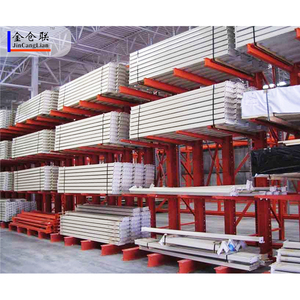
Industrial Heavy Duty Racking System for Aluminum Profiles and Wood Panels
Open-front cantilever storage for long profiles, timber, pipes and building materials where forklift access and load protection matter.
Long & bulky goods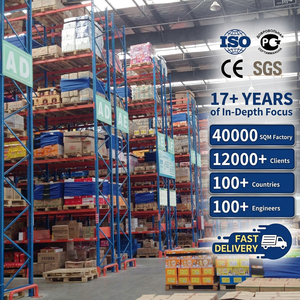
SDFD Heavy Duty Adjustable Selective Pallet Racking System
A flexible box-beam selective pallet rack for mixed SKUs, fast-moving wholesale inventory and distribution centres needing direct access.
Mixed-SKU selectivity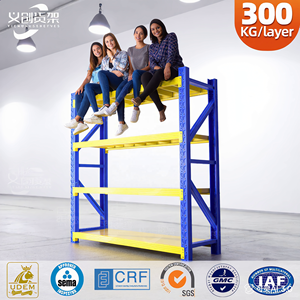
Industrial Warehouse Storage Racks and Shelving Units
Light to medium-duty plate shelving for spare parts, cartons, retail replenishment and small-parts picking in Quito or Guayaquil facilities.
Small parts & cartons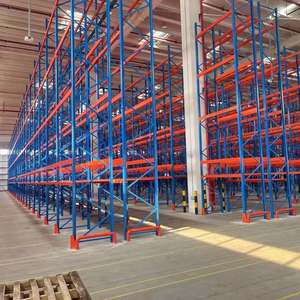
Custom Heavy Duty Steel Pallet Racking System
Project-specific uprights, beams and accessories for higher loads, seismic bracing and container-optimised export packing.
Custom engineering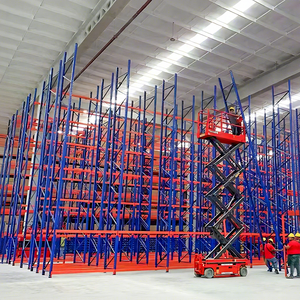
Heavy Duty Industrial Pallet Rack for Warehouse Storage
A robust beam-and-upright platform for palletised imports, wholesale distribution and 3PL operations with high turnover.
Palletised wholesale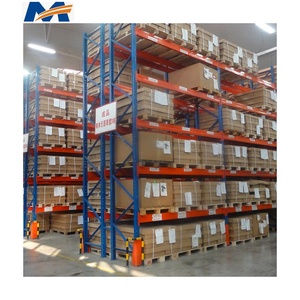
Heavy Duty Warehouse Pallet Racking and Picking Shelves
A combined pallet and picking-shelf layout for distributors that need reserve storage and fast order assembly in one footprint.
Storage + picking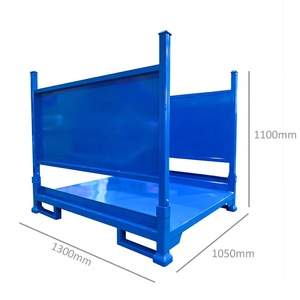
Stackable Collapsible Fabric Roll Storage Rack
A specialised textile and fabric-roll storage solution for importers needing stable stacking, clear inspection and space recovery.
Textile & roll goods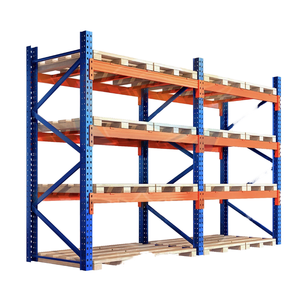
1–5 Layer Heavy Duty Detachable Pallet Stacking Rack
Stackable post-pallet racking for bulk storage, seasonal inventory and temporary warehouses where flexible density is essential.
Bulk & seasonal storageFactory-Direct Storage Shelving Systems for Ecuador’s Port, Cold-Chain and Urban Markets
Ecuador is not a one-size-fits-all warehouse market. A layout that performs in a dry Andean distribution centre may disappoint in a Guayaquil cold store, where salt-laden air, seismic requirements and container-driven replenishment cycles change the engineering brief.
For wholesalers comparing Chinese factories, the decisive question is not simply “Who has the lowest price per bay?” but “Who can convert factory-direct steel economics into a layout that is buildable, inspectable and serviceable in Ecuador?” Procurement teams increasingly want evidence: structural calculations, load signage, anchor data, corrosion specifications, Spanish handover documents and a realistic container loading plan.
This guide is written for 3PL operators, banana and shrimp exporters, retail distributors, engineering contractors and import wholesalers who need an information-rich answer before issuing a purchase order. It explains where each storage system fits, which Ecuadorian conditions alter the specification, what to request in a quotation, and how to reduce lifecycle risk before the container leaves the factory.

A high-bay selective pallet racking concept: engineered for direct access, export packing and future expansion.
Why Ecuadorian Storage Projects Need a Localization-First Approach
Search intent around “warehouse storage shelving systems Ecuador” is usually commercial and technical at the same time. Buyers want a supplier, but they also need confidence that the rack will satisfy local seismic, humidity, cold-chain and import-logistics conditions.
Seismic compliance is a design input
Ecuador’s NEC-SE-DS requirements influence base plates, anchors, bracing and beam-to-upright connections. The rack supplier should provide calculation assumptions that a locally licensed engineer can review.
Coastal humidity changes the coating brief
Guayaquil, Posorja and Manta expose steel to salt-laden air. Powder coating, galvanising, zinc-rich primers and isolation of dissimilar metals should be specified according to the actual environment, not a generic finish.
Cold-chain density drives payback
Shrimp, banana, mango and frozen-fruit exporters benefit from mobile racking, drive-in and shuttle systems that reduce refrigerated aisle volume and improve energy efficiency per pallet stored.
Retrofit often beats new construction
In Quito, Cuenca and Guayaquil, industrial land and building timelines can be restrictive. Mezzanines, narrow-aisle layouts and high-density pallet racking can unlock capacity inside an existing building.
Where Warehouse Storage Shelving Systems Earn Their Payback in Ecuador
Ecuador’s product mix is unusually diverse for a relatively compact economy. The same country hosts banana and shrimp export cold chains, cut-flower logistics, construction-material distributors, pharmaceutical importers and fast-growing urban e-commerce.
Banana, pineapple and mango packhouses
High-humidity packhouses need fast pallet turnover, clear inspection aisles and racking that can handle cartons, packaging materials and cold-room buffer stock. Recommended: selective pallet racking, push-back racking and industrial shelving for packing supplies.
Shrimp, tuna and frozen seafood storage
Freezer warehouses serving Guayaquil and Manta need density without losing food-safety access. Mobile pallet racking, drive-in racking and pallet shuttle systems reduce refrigerated air volume while keeping 100% pallet accessibility where required.
Roses and cut-flower cold rooms
Flower exporters around Quito and Cayambe handle light cartons, strict temperature windows and rapid order assembly. Selective racking combined with shelving and mezzanine picking areas supports fast, damage-minimising workflows.
Urban fulfilment and wholesale distribution
SKU proliferation rewards shelving, multi-tier picking, mezzanines and selective pallet racking for reserve stock. The layout should separate receiving, reserve, picking and dispatch before any steel is ordered.
Temperature-controlled pharmaceutical importers
Pharmaceutical distributors need cleanable surfaces, clear load signage, traceable locations and documentation suitable for audits. Selective pallet racking and industrial shelving can be configured with defined picking levels and inspection access.
Steel, aluminium, timber and building materials
Long goods and heavy profiles are poorly served by standard pallet racking. Cantilever racking, heavy-duty stackable pallet racks and custom upright frames protect profiles while allowing crane or forklift access.
Ecuador Procurement Trends Reshaping Storage Shelving Decisions
Buyers are becoming more specific. The strongest enquiries no longer ask only for “racking price”; they provide clear height, pallet weight, seismic zone, temperature range, forklift type and target pallet positions.
Seismic evidence before price
Projects in Ecuador increasingly require anchor calculations, bracing details and assumptions that can be reviewed locally. A low-cost quotation without documentation is a false economy.
Energy-aware cold storage
Cold-chain operators are evaluating mobile racking and high-density pallet systems because fewer aisles can mean less refrigerated air, shorter travel paths and more pallet positions in the same envelope.
Retrofit-first capital planning
Instead of waiting for a new building, distributors are re-laying existing warehouses with narrow aisles, mezzanines and higher-density racking to release capacity faster.
Supplier transparency goes digital
Spanish load tables, QR-linked inspection records, container loading plans and clear spare-parts lists are becoming part of the buying decision, especially for multi-site wholesalers.
Choosing the Right System for an Ecuadorian Warehouse Project
Use this matrix as an early-stage comparison. Final selection depends on pallet dimensions, load per pallet, clear height, throughput, temperature, floor condition, seismic zone and handling equipment.
Selective pallet racking
Best for mixed SKUs, fast access and wholesalers that cannot dedicate whole bays to a single product.
High-density racking
Drive-in, push-back, shuttle and mobile systems suit homogeneous inventory, cold stores and space-constrained sites.
Cantilever racking
For aluminium profiles, steel, pipes, timber and other long goods that require open-front handling.
Shelving & mezzanines
For small parts, e-commerce picking, archives, spare-parts stores and vertical expansion without new construction.
Information-gain note: the most common specification error in Ecuadorian projects is selecting density before confirming access. High-density storage is valuable only when inventory profile, replenishment discipline and forklift workflow support it.
What a China Wholesale Factory Must Prove to Ecuadorian Wholesalers
Factory-direct pricing is attractive, but professional buyers also assess engineering capability, export discipline, documentation quality and lifecycle support. The following advantages align with the standards and service model used for South American warehouse projects.
Engineering-led configuration
Racking is designed around real pallet data and load cases. Static steel racking references EN 15512, floor tolerances EN 15620, use and inspection EN 15635, and seismic design FEM 10.2.08 / EN 16681 where required.
Factory-direct commercial value
A China wholesale warehouse storage shelving systems factory can optimise uprights, beams and accessories for container loading, reducing freight waste and improving landed-cost predictability for Ecuadorian importers.
Ecuador-ready documentation
Load signage, capacity tables, anchor plans, packing lists and handover records can be prepared in English and Spanish, helping local engineers, insurers and maintenance teams work from the same information.
Cold-chain and corrosion detailing
Freezer-ready systems down to approximately -30 °C, coastal humidity protection, washdown considerations and material finishes can be specified before quotation, not after delivery.
Installation and lifecycle support
Project support can include site survey review, supervised installation, inspection checklists, damage repair guidance and capacity upgrades as the Ecuadorian operation grows.
Scalable system platform
Selective, drive-in, push-back, shuttle, mobile, cantilever, shelving and mezzanine solutions can share a consistent engineering language, making future retrofits faster and less disruptive.
From Site Survey to Long-Term Support in Ecuador
A clear five-stage process keeps budgets, documentation and delivery expectations aligned from the first enquiry to post-installation inspection.
Analyse
Site data, pallet load, SKU profile, temperature, floor and seismic inputs.
Design
Layout options, structural calculations, capacity comparison and documentation plan.
Manufacture
Quality-controlled steel production, coating specification and export packing.
Export & install
Container loading, shipment to port, delivery coordination and supervised installation.
Inspect & support
Handover records, load signage, inspection checklists, repairs and upgrades.
Safety Is a Documentation Deliverable, Not a Sales Claim
Procurement teams and insurers increasingly ask for proof: calculations, load limits, installation records and inspection routines. A credible China wholesale storage shelving factory should provide a documentation package that supports local approvals and long-term maintenance.
- Load signage and capacity tables supplied for every installation
- Anchor, base-plate and bracing details documented for seismic review
- Coating and corrosion specification recorded before production
- Spanish and English handover documents available for local teams

Supervised installation and documented handover reduce long-term risk for Ecuadorian warehouse operators.
Common Procurement Questions from Ecuadorian Wholesalers
These answers address the practical questions that arise when importing warehouse storage shelving systems from China into Ecuador.
Can you ship storage shelving systems directly to Ecuador?
Yes. Factory-direct shipments can be arranged to Ecuadorian ports, with Guayaquil being the most common entry point. Manta and other routes can be reviewed depending on cargo size, inland destination and project schedule. Export packing, container loading plans and commercial documents are prepared for the agreed trade term.
Can racking be designed to Ecuador’s NEC-SE-DS seismic requirements?
Seismic design can be coordinated with NEC-SE-DS requirements using recognised racking principles such as FEM 10.2.08 and EN 16681 for the structural approach. Base plates, anchors, bracing and beam connectors should be specified for the site’s seismic zone and soil conditions, with final review by a locally licensed engineer where required.
How do you handle corrosion in Guayaquil and coastal areas?
The coating system should match the environment. For humid or salt-laden air, buyers can specify powder coating, galvanising, zinc-rich primer or combined systems. Washed-down food areas may require additional detailing, stainless components or isolation of dissimilar metals. These decisions should be recorded in the technical offer.
Do you supply cold storage racking for shrimp and frozen fruit?
Yes. Cold-store pallet racking, mobile racking and high-density systems can be specified for chilled and frozen environments down to approximately -30 °C. This suits shrimp, tuna, banana, mango and frozen-fruit export operations. The final design should confirm temperature range, defrost cycles, washdown practice and forklift type.
What is the minimum order and lead time for wholesale projects?
Most projects are quoted according to layout, load requirements and container volume rather than a single retail quantity. Lead time depends on drawing approval, coating specification, accessory availability and vessel schedule. A professional quotation should clearly separate production time, inspection time, export packing and transit time.
Can you support installation in Quito or Guayaquil?
Installation can be supported through supervised installation, method statements, anchor plans and inspection checklists, with local installation partners where available. For remote projects, the factory can provide drawings and remote technical guidance so the local team installs to the approved layout.
What information should Ecuadorian buyers send for an accurate quotation?
Send the warehouse location, floor plan, clear height, pallet dimensions, load per pallet, racking usage, forklift type, temperature range, seismic zone and target pallet positions. Photos of the site, column grid and floor condition also help. The more precise the input, the more reliable the layout and container estimate.
Are your systems suitable for insurer and building-code documentation?
Yes, the project can be supplied with structural calculation assumptions, capacity tables, load signage, installation records and inspection guidance. For Ecuador, these documents can be coordinated with the local engineer responsible for building-code compliance and insurer review.
Request a Factory-Direct Catalog and Ecuador-Specific Layout Review
Share your warehouse location, floor plan, clear height, pallet dimensions, load per pallet, temperature range and target throughput. The engineering team can return a preliminary bay layout, container load estimate and documentation checklist for your Ecuador project.
- For wholesalers: ask about mixed-container programs and repeat-order spare parts
- For cold-chain projects: confirm temperature, washdown and corrosion requirements
- For seismic zones: request anchor, bracing and local-engineer review assumptions