Heavy Duty Industrial Racking Systems Factories & Exporters serving the Argentina Market
A procurement and engineering whitepaper for Argentine warehouses: product selection, cold-chain and high-density applications, import planning, standards, and lifecycle support.
Contact Us8 Heavy-Duty Racking & Storage Systems for Argentine Warehouses
Start with the storage duty, not the catalogue page. These eight systems cover pallet racking, carton-flow picking, cantilever long-goods storage, mezzanine platforms and boltless shelving for distributors, 3PLs, manufacturers and export processors across Argentina.
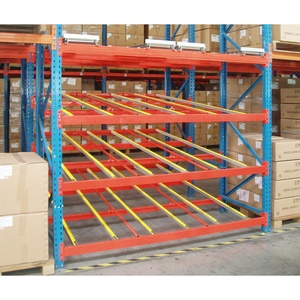
Warehouse Equipment Roller Shelves
Roller shelving supports carton-flow picking, fast SKU access and organised replenishment. A practical fit for e-commerce, spare-parts and 3PL picking zones where travel time and touch counts drive margin.
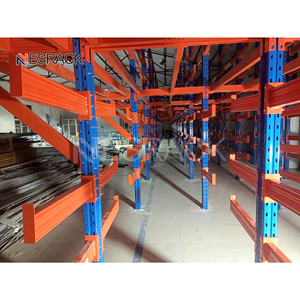
Customized Used Cantilever Racking System Rack Cantilever CE Certificated Heavy Duty Equipment Warehouse Racking Price
Cantilever racking for pipes, profiles, timber and fabricated long loads. CE-certificated heavy-duty configurations help Argentine steel suppliers, builders and manufacturers store long goods without stacking damage.
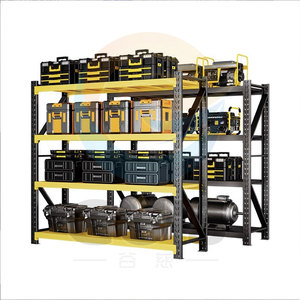
Heavy-Duty Boltless Shelving Racking System for Industrial & Home Use 5 Layer Steel Warehouse Storage Rack Shelf Original Black
A five-layer boltless steel shelf for hand-loaded cartons, parts, tools and fast-moving inventory. Reconfigurable levels and quick assembly suit workshops, distributors and compact urban warehouses.
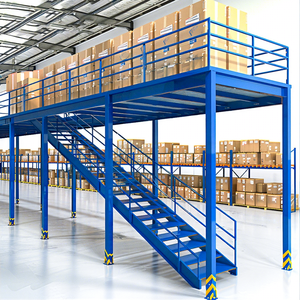
Warehouse Second Floor Terrace Floor Eu Warehouse Wood Pallet Storage Platform Schwerlastregal
Create a second storage level for pallets, picking or packing without extending the building footprint. This is especially relevant around Buenos Aires and other urban logistics zones where land is scarce and clear height is underused.
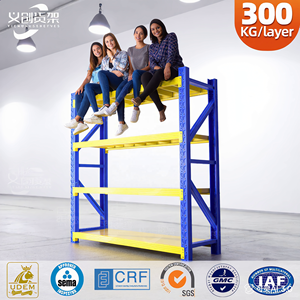
Manufacturer Directly Warehouse Light Middle Storage Industrial Racks for Warehouse Racking Plate Shelving Shelves Unit
Plate shelving and industrial rack units for mixed cartons, spare parts, tools and MRO stock. Manufacturer-direct supply supports phased fit-outs and budget-controlled expansion for distributors and service operations.
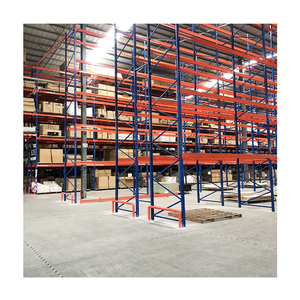
Heavy Duty Warehouse Pallet Rack Industrial Storage Shelf Metal Racking Systems Boltless Steel Shelving
Selective metal pallet racking for direct access to every pallet, adaptable beams and straight-forward forklift operation. A sound baseline for food, retail, logistics and manufacturing warehouses in Argentina.
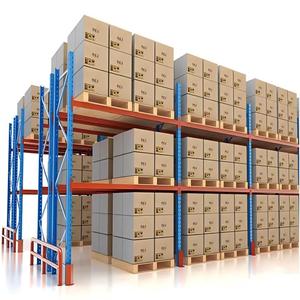
Adjustable Durable Storage Rack Powder Coating Finish Long Service Life CE Heavy Duty Metal Warehouse AU Standard Pallet Racking
Adjustable heavy-duty pallet racking with powder-coated finish and export-oriented documentation. Designed for long service life where pallet weights, forklift cycles and maintenance access must be predictable.
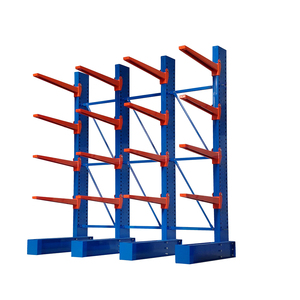
Industry Warehouse Steel Structural Pipe Rack Cantilever Rack for Pipe / Lumber Storage
Structural pipe and lumber cantilever racking with open-front access for crane or forklift handling. Helps protect profiles from stacking damage and keeps long stock visible, traceable and ready for despatch.
What Argentina-Focused Racking Buyers Are Really Evaluating
A search for heavy duty industrial racking systems factories & exporters serving the Argentina market is usually not early-stage research. It sits at the point where procurement, engineering and operations are comparing factory-direct supply, local application fit, documentation and installation risk.
Argentina is not a single warehouse market. Greater Buenos Aires is dominated by e-commerce, 3PL and urban distribution; Rosario and the surrounding agricultural belt need robust food, grain-related and cold-chain storage; Córdoba brings automotive, machinery and MRO requirements; Mendoza and the west require careful structural review for seismic zones and beverage or food-processing flows. The winning specification therefore depends on pallet profile, handling equipment, clear height, throughput, fire strategy and import phasing — not simply on price per tonne of steel.
For a factory-backed export programme, the useful question is: can the supplier provide a system that fits the building, documents the load limits, packs for sea freight and supports the installation team after arrival? That is the standard we apply to every Argentina-oriented project.
Factory-Direct Price & Export Scope
Buyers compare EXW, FOB and CIF options, packing quality, container fill and documentation. A factory-controlled export partner reduces ambiguity between racking steel, accessories and shipping cost.
Local Application Fit
Cold storage in Buenos Aires, cantilever racking in Córdoba or mezzanine platforms in urban AMBA require different layouts. The supplier should ask for the workflow before quoting the rack.
Standards & Documentation
ROI disappears when load signage, capacity tables and inspection records are missing. EN-based design and locally reviewed structural details give procurement and insurers clearer evidence.
Lifecycle & Installation Risk
Sea freight, customs, inland transport and site supervision are part of the real cost. A clear installation sequence, spare-parts plan and inspection routine protect the investment after handover.
Where Heavy-Duty Racking Creates Measurable Value in Argentina
The same pallet rack can be a cost centre or a productivity asset depending on the local operating reality. These scenarios reflect the warehouse questions we see around Argentina’s main logistics corridors.
Greater Buenos Aires E-Commerce & 3PL
High SKU counts, faster order cycles and limited urban space favour selective pallet racking, mezzanine platforms, carton-flow roller shelving and boltless picking shelves. The layout should separate reserve pallet storage from fast picking to reduce forklift interference.
Rosario Food, Grain & Agro-Export Processing
Seasonal peaks, palletised ingredients and finished food products call for heavy-duty pallet racking, push-back or drive-in density where appropriate, and cold-chain-compatible finishes. Load signage and hygiene-conscious housekeeping are critical.
Córdoba Automotive, Machinery & MRO
Heavy components, dies, tooling and long profiles need more than standard shelving. Combine cantilever racking, heavy-duty steel shelves and selective pallet racking with a clearly marked heavy-load zone for cranes and forklifts.
Mendoza Wine, Beverage & Food Processing
Beverage, glass, packaging and finished goods benefit from adjustable pallet racking, robust mezzanine platforms and careful floor-interface planning. Western seismic considerations require anchorages, bracing and final calculations to be reviewed with a locally licensed engineer.
La Plata, Zárate & Campana Port Distribution
Port-adjacent and import-dependent operations need fast put-away, clear consignment separation and export packing that protects the racking components. Selective racking and high-bay configurations support predictable container receiving and despatch windows.
Regional Construction & Industrial Suppliers
Pipes, lumber, profiles and bagged materials are inefficient when stacked on the floor. Cantilever racking, boltless steel shelving and durable pallet racking improve stock visibility, reduce damage and free up aisle space for handling equipment.
Five Procurement Realities Shaping Racking Demand
The strongest storage projects respond to economic and operating pressures, not just warehouse floor plans. These trends explain why buyers in Argentina increasingly ask for phased, document-rich and space-efficient systems.
Urban Space Is Tight
Land and suitable warehouses near Buenos Aires remain constrained. Mezzanines, mobile racking, narrow-aisle layouts and higher-density pallet systems help add capacity without new construction.
Cold-Chain Investment Continues
Beef, wine, citrus, fruit and processed-food exporters need chilled and freezer storage with reliable racking performance. Fewer aisles and compact mobile systems can reduce refrigerated air volume and energy load.
E-Commerce & SKU Proliferation
More SKUs and smaller order profiles push warehouses toward mixed systems: pallet racking for reserve stock, shelving and roller shelves for picking, and mezzanine space for packing and value-added services.
Import Planning & Lifecycle Cost
Project teams plan shipments, spare parts and staged installation more carefully. Export packing, clear load tables, installation guidance and long-term component availability reduce total cost of ownership.
Match the System to the Load, Aisle and Growth Plan
A practical recommendation begins with the pallet: size, weight, overhang, stackability and damage profile. Next comes the building: clear height, floor flatness, slab capacity, fire strategy and column grid. Finally, the operation: forklift type, throughput, shift pattern and future volume.
For most Argentine warehouses, selective pallet racking is the default starting point because every pallet remains directly accessible. Density increases only when the SKU profile allows it. Push-back, drive-in, shuttle and mobile racking are not upgrades for their own sake; they are trade-offs between storage density, selectivity and capital cost.
- Use boltless shelving or plate shelving for cartons, tools and mixed hand-loaded SKUs.
- Use cantilever racking for pipes, timber, profiles and other long goods that should not be stacked.
- Use mezzanine platforms when clear height exists but usable floor area does not.
- Use mobile racking or high-density pallet systems when storage volume matters more than instantaneous aisle access.

High-bay pallet racking must be engineered around pallet profile, forklift reach, sprinkler strategy and floor tolerance.
Qualitative Comparison: Relative Storage Density
Indicative planning view only. Final layout capacity must be calculated from the actual building, pallet and equipment data.
Information gain for buyers: density should always be considered together with selectivity, safety, fire protection, maintenance access and future reconfiguration.
Safety Evidence for Argentine Procurement Teams
Industrial racking is a structure. It carries load, resists impact, interacts with the floor slab and may be exposed to seismic actions or fire events. Argentine projects should therefore be specified with clear design assumptions and a documented handover — not only a supplier catalogue.
Depending on the project, designs can reference EN 15512 for steel static racking, EN 15620 for tolerances, EN 15635 for operational use and inspection guidance, and FEM 10.2.08 / EN 16681 for seismic design. In Argentina, building-interface and structural requirements should be coordinated with a locally licensed engineer and relevant local codes such as CIRSOC where applicable. Western seismic zones, including parts of Mendoza and San Juan, require particular attention to base plates, anchors, bracing and final site verification.

Installation handover should include load signage, capacity tables and inspection records.
Why Real Nice Racks LLC Is a Practical Partner for Argentina
Real Nice Racks LLC designs, supplies and supports industrial storage systems — pallet racking, mobile racking, shelving, cantilever, mezzanines and semi-automated storage — for warehouses and distribution centres across South America.
Factory-Controlled Production & Export Packing
Racking components, accessories and protection are coordinated for export shipment, with packing planned around container loading, unloading and site staging. This reduces damage risk between factory and Argentine warehouse.
P90 Platform & Mobile Racking Options
The P90 pallet racking platform can be extended into higher-density configurations, and MOVO mobile racking helps reduce aisle space while preserving direct pallet access. This gives buyers a growth path without changing suppliers.
Seismic-Ready & Cold-Chain Experience
Projects can be engineered for seismic zones and chilled or freezer environments down to approximately -30°C. This is relevant for Argentina’s food, wine, beef, fruit and cold-logistics operators as well as the west’s seismic zones.
Technical Documentation & Load Signage
Capacity tables, layout drawings, installation guidance and load signage can be supplied with the project. This supports internal safety reviews, insurer questions and maintenance planning after handover.
Lifecycle Services & Inspection Culture
Support can continue after installation through periodic rack inspection, damage repair, capacity upgrades and replacement components. Racking is safer and more economical when minor impact damage is identified early.
Multilingual Support for South America
Technical and commercial support is available in English, Spanish and Portuguese, helping Argentine procurement teams, integrators and installation partners work from the same drawings and assumptions.
From Argentine Site Survey to Long-Term Rack Support
A disciplined five-stage path keeps technical assumptions visible and reduces surprises between quotation, production, shipping and installation.
Brief & Survey
Collect warehouse location, floor plan, clear height, pallet data, load per pallet and handling equipment.
Layout & Design
Compare selective, high-density, shelving, cantilever or mezzanine options and confirm structural assumptions.
Production & Packing
Manufacture, quality-check and pack the system for sea freight to the agreed Argentine gateway.
Delivery & Installation
Coordinate shipment, customs paperwork, inland delivery and supervised installation or partner handover.
Handover & Support
Provide load signage, inspection guidance, spare-parts planning and future capacity upgrade support.
Questions Argentine Buyers Ask Before Ordering Racking
These answers address the commercial, technical and installation questions that commonly arise when sourcing heavy-duty industrial racking from factories and exporters for the Argentina market.
What is the difference between a factory, an exporter and a local integrator?
A factory controls steel production, component quality and packing. An exporter coordinates documentation, freight and destination requirements. A local integrator or installation partner handles site logistics, unloading, assembly and final handover. Most successful Argentine projects need all three capabilities, but they should work from one approved layout and one capacity table. Real Nice Racks LLC supports the factory-backed export scope and can coordinate with local installation teams so the technical assumptions remain consistent.
Can you deliver racking to Buenos Aires, Rosario, Córdoba and Mendoza?
Yes. Typical shipping gateways for Argentina include Buenos Aires, La Plata, Rosario, Zárate-Campana and Bahía Blanca, followed by inland transport. The best port and delivery plan depends on the project location, container size, unloading equipment and customs arrangements. The quotation should therefore confirm the agreed Incoterm, port of arrival and whether unloading or installation is included.
What racking is suitable for cold storage and freezer warehouses in Argentina?
Cold-store pallet racking, mobile racking and suitable shelving can be specified for chilled and freezer environments down to approximately -30°C, subject to the project’s temperature, humidity and fire strategy. In freezer rooms, compact layouts such as mobile racking can be valuable because reducing aisle volume can lower refrigeration load. Steel finish, anchors, floor interface and operating procedures must be reviewed carefully.
How do you address seismic and structural requirements in Argentina?
Seismic design should start with the site location, floor slab, rack height, load and local code requirements. Racking can be evaluated with reference to FEM 10.2.08 / EN 16681 and EN 15512 principles, while building interfaces and final anchorage should be reviewed with a locally licensed Argentine structural engineer. In western seismic zones such as parts of Mendoza and San Juan, base plates, anchors, bracing and site verification deserve particular attention.
Can you upgrade an existing warehouse instead of building a new one?
Yes. Retrofit projects often combine re-layouts, mezzanine platforms, mobile racking, narrow-aisle configurations, higher-density pallet racking and improved picking shelves. High-density design can release up to 20% more storage capacity within the same footprint in suitable projects, avoiding construction cost and delay. The existing floor, sprinkler system, forklift fleet and fire strategy must be checked before finalising the layout.
What information is needed for an accurate quotation?
Send the warehouse location, floor plan, clear height, column grid, floor condition, pallet dimensions, load per pallet, racking height, forklift type, throughput and any cold-store or seismic requirements. If a mezzanine or shelving system is being considered, include the items to be stored and their daily picking frequency. Photos and drawings help, but the quotation should still confirm the final load and layout assumptions.
Are CE-related products and EN-based documentation available?
Certain products in the range, such as CE-certificated cantilever and heavy-duty pallet racking, can be supplied with relevant technical documentation where applicable. However, CE-related product information does not replace a site-specific structural review. The project quotation and drawings should define the design basis, load limits, accessories and any local engineering review required for Argentina.
What documentation should be included at handover?
A good handover pack normally includes approved layout drawings, beam and upright load tables, load signage, installation instructions, inspection and damage-reporting guidance, and the bill of materials. This information helps maintenance teams, insurers and safety officers verify that the installed system continues to match its intended use.
How can import and installation risk be reduced?
Plan the shipment around actual site readiness, use export-grade packing, verify container loading, agree unloading responsibility, and appoint an installation partner before the racking arrives. A phased delivery can also help Argentine buyers manage cash flow and storage space. Early technical review of the floor, clear height, fire strategy and handling equipment prevents costly rework after the racking reaches site.
Planning a Heavy-Duty Racking Project for Argentina?
Share your warehouse location, clear height, pallet dimensions, load per pallet, forklift type and target throughput. We will help you compare selective pallet racking, shelving, cantilever, mezzanine and high-density options for the Argentine market.
Contact Us