8 Products Buyers in La Serena Commonly Compare
The systems below can be specified as standalone storage or combined with wire shelving decks, boltless shelf levels and pallet racking. Every layout should be reviewed against your pallet size, load, clear height, floor slab, seismic zone and coating environment before quotation.
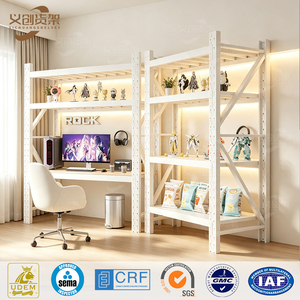
Low Price Racking Adjustable Metal Boltless Shelf and Racks Warehouse Storage Medium Duty Metal Rack Shelf
Fast-assembly adjustable racking for spare parts, cartons and maintenance stores where layout changes are frequent.
View product →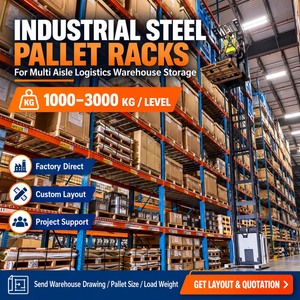
Selective Pallet Racking System with Adjustable Beam Levels for Different Pallet Heights
Direct access to every pallet, suited to distributors and 3PL warehouses with mixed SKUs and variable pallet heights.
View product →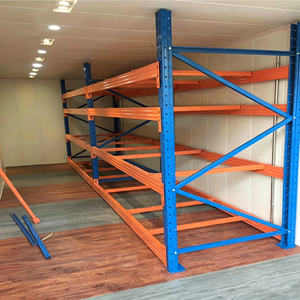
Heavy Duty Industrial Pallet Storage Racking 1000kg/2000kg/3000kg Capacity Per Layer Adjustable Steel Warehouse Rack
Dense reserve storage for mining suppliers, building materials and industrial inventories requiring high load capacity.
View product →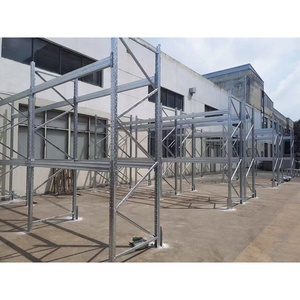
Warehouse Storage Strong Corrosion Resistance Capability Hot Dip Galvanize Pallet Rack Outdoor Storage Rack
Hot-dip galvanized racking for outdoor yards, port-linked storage and coastal environments exposed to salt-laden air.
View product →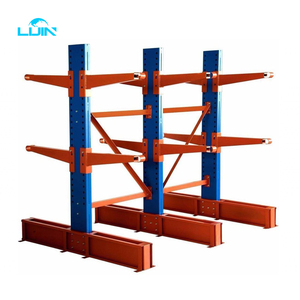
Heavy Duty Cantilever Racking System for Factory and Warehouse
Open-front storage for pipes, steel profiles, timber and building products, ideal for yards and factories.
View product →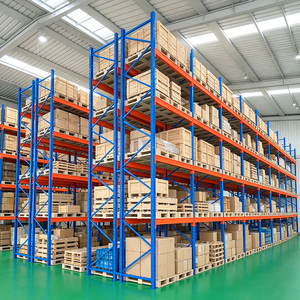
Industrial Heavy Duty Pallet Rack 1000-5000KG Load Capacity Warehouse Storage Racking System with Adjustable Shelves
Adjustable heavy-duty pallet rack configured for high-bay reserve storage and multi-level warehouse layouts.
View product →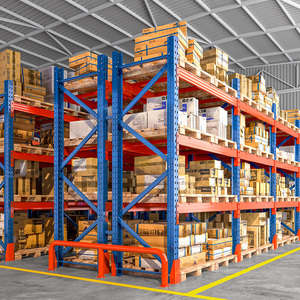
Heavy Duty Industrial Steel Storage Shelves 5 Layer Adjustable Rack System with Galvanized Surface for Warehouse Pallet Racking
Five-layer galvanized rack system for warehouses needing flexible levels and improved corrosion resistance.
View product →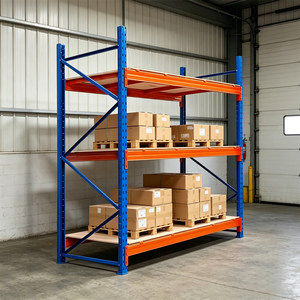
Powder Coated Heavy Duty Rack Industrial Warehouse Storage Pallet Racking Adjustable Industrial Shelves
Clean, durable powder-coated racking for indoor distribution centres, retail warehouses and food-grade facilities.
View product →What Industrial Wire Shelving Buyers in La Serena Need to Know
Industrial wire shelving is often described as a simple product, but in La Serena the buying decision is rarely simple. A warehouse may serve mine maintenance teams, Elqui Valley packhouses, Coquimbo port logistics, retail distribution or food processing. Each application changes the required shelf depth, wire gauge, deck support, powder-coat or galvanized finish, uplift resistance and anchor specification. The right supplier is therefore not simply a factory with a price list; it is a manufacturing and engineering partner that can turn your load profile and site conditions into a documented storage system.
The phrase “manufacturers & factories serving La Serena” matters because overseas buyers need more than product photographs. They need production control, export packing, drawings, load tables, seismic assumptions, loading signage and installation guidance. For projects in Chile, a practical proposal should clearly state what is included: uprights, beams, wire decks, shelf supports, safety clips, footplates, anchors, accessory bins or dividers, packaging, shipping terms and technical documentation.
Open-wire shelving offers visibility, airflow, sprinkler penetration and easier dust control. In the dry, dusty interior around La Serena and Ovalle, that openness can be useful for spare parts and maintenance stores, but only when wire gauge and support spacing are suitable. In coastal areas toward Coquimbo, salt-laden air can accelerate corrosion. Buyers should ask for a finish specification linked to indoor or outdoor use, cleaning routines and distance from the coast. A generic “galvanized” label is not enough; the coating route, touch-up method and mixed-material separation should be reviewed.
Seismic design is another local requirement. Racking and shelving in Chile should be coordinated with NCh 433 and NCh 2369 principles, while static steel racking design is commonly reviewed against EN 15512, FEM 10.2.08 / EN 16681 for seismic behaviour and EN 15620 / EN 15635 for floor tolerance, use and inspection. Final structural assumptions should be checked by a locally licensed engineer where required. This is especially important for tall shelving, multi-tier systems, mezzanine-supported storage and pallet racking installed in leased buildings where slab condition is uncertain.
For La Serena procurement teams, the most valuable information gain is not another catalogue page. It is a layout logic that compares selective racking, boltless shelving, wire-deck picking faces, cantilever storage for long goods and galvanized outdoor racks using the same input data. That is how factory supply becomes a working warehouse system rather than a shipment of steel.

Why high-density storage is relevant near La Serena’s ports and industrial corridors
As land and construction costs rise around La Serena, Coquimbo and the broader Coquimbo Region, many buyers discover that a new building is not the first answer. A re-layout, higher racking, narrower aisles, mezzanine space or mobile racking can unlock capacity inside the existing envelope. This is particularly relevant for exporters and distributors that need to stay close to port, labour and transport routes.
Mobile racking reduces the number of permanent aisles, while high-density systems such as drive-in, push-back and shuttle options suit slower-moving or homogeneous pallet inventories. The engineering question is whether selectivity, throughput and safety can be balanced with density. That is why a site survey and load profile should come before a product recommendation.
Where Wire Shelving and Racking Are Used Around La Serena
La Serena is not a single-industry market. The storage mix changes from one warehouse to another, so the right system should be matched to goods, handling equipment and service level.
Mining and maintenance stores
La Serena and the Coquimbo Region support mining service companies that hold bearings, hoses, filters, tools and spare parts. Wire-deck shelving, boltless racks and labelled bin locations improve visibility and cycle counting. Heavy pallet racking is used for larger components, while pull-out or cantilever storage may be needed for awkward items.
Agro-export and cold-chain packing
Elqui Valley grapes, citrus, avocados and other fresh produce place demands on packing houses and cold stores. Galvanized or powder-coated racking, accessible picking shelves and cold-store pallet systems help manage export consignments. Cold-chain layouts should reduce refrigerated air volume where possible and keep inspection access clear.
Retail, e-commerce and urban distribution
Retailers and distributors serving La Serena, Coquimbo and nearby towns need fast-moving picking faces and reserve pallet storage. A hybrid layout often works best: wire shelving or boltless shelves for cartons and small SKUs, selective pallet racking behind for reserve stock, and clearly marked aisles for safe order picking.
Port-linked and outdoor storage
Coquimbo’s port activity and nearby logistics movements create demand for outdoor racks, galvanized storage and durable yard layouts. Hot-dip galvanized pallet racking is often considered for products that cannot be stored indoors or for overflow yards exposed to coastal humidity and dust.
Construction and long-goods yards
Builders’ merchants, steel suppliers and contractors store pipes, profiles, timber and formwork. Cantilever racking keeps long goods off the ground, improves forklift access and reduces damage. Outdoor versions require a finish review, stable base preparation and clear drainage around footplates.
Food processing and fisheries
Food processors and fisheries around the coast need washable, corrosion-conscious storage and clear inspection access. Stainless or appropriately coated options may be considered for sensitive areas, while galvanized and powder-coated racking can be used in less aggressive zones. The key is to separate hygiene zones from general storage.
Trends Shaping La Serena Storage Projects in the 2025–2026 Buying Cycle
Buyers are asking more precise questions than “what is the price per shelf?” They want proof of seismic assumptions, corrosion control, delivery planning and lifecycle support.
Seismic documentation is now part of procurement
Chilean buyers increasingly request structural calculations, anchor assumptions, load signage and inspection records. For La Serena projects, this should include bracing, baseplate and anchor details appropriate to the site’s seismic zone and slab condition.
Coastal corrosion and coating discipline
Salt air, dust and temperature swings make finish selection important. Hot-dip galvanized outdoor racking, powder-coated indoor racking and clear touch-up procedures help protect long-term asset value near Coquimbo and other coastal logistics points.
Cold-chain efficiency and energy awareness
Fruit, seafood and food processors are reviewing refrigerated space more carefully. Mobile racking and high-density cold-store layouts can reduce the volume of air that must be cooled, supporting energy efficiency while maintaining access to pallets.
Retrofit before new construction
Land and construction cost pressures are encouraging warehouse retrofits: re-layouts, narrow aisles, mezzanines, higher bay heights and high-density racking. A well-planned retrofit can add capacity without waiting for a new building.
Indicative storage density comparison
This chart is a discussion tool, not a quotation. Actual density depends on pallet size, aisle width, clear height, forklift type, throughput, fire strategy and seismic requirements.
Why Real Nice Racks Is a Practical Partner for La Serena Projects
Real Nice Racks LLC designs and supplies industrial storage systems for South American warehouses, with engineering support from the first site survey through installation, inspection and future upgrades.
Engineering-led layout review
We start with pallet dimensions, load per pallet, SKU velocity, clear height, forklift type, floor slab condition and seismic zone. That data shapes the racking depth, beam levels, aisle widths and accessory list.
Seismic-ready specifications
Racking can be reviewed against EN 15512, FEM 10.2.08 / EN 16681 and local Chilean requirements such as NCh 433 and NCh 2369, with final calculations reviewed by a locally licensed structural engineer where required.
Cold-chain and corrosion experience
Our product scope includes cold-store and freezer racking, hot-dip galvanized outdoor systems, powder-coated indoor racking and high-density mobile systems for demanding environments.
Factory coordination and export packing
We coordinate production, quality checks, export packing and shipment to the nearest port. For La Serena projects, delivery planning typically considers Coquimbo or Valparaíso logistics and the buyer’s customs broker.
Lifecycle service
Installation supervision, load signage, inspection guidance, damage repair and capacity upgrades help protect the investment after handover. Retrofits can add storage capacity without the delay of new construction.
Multilingual technical communication
Project support is available in English, Spanish and Portuguese. That reduces friction between procurement, warehouse operations, customs brokers and installation teams when specifications move across borders.
Safety You Can Document — Not Just Promise
Procurement teams, insurers and operations managers increasingly ask for proof. A complete package should make the assumptions visible.

What a serious La Serena proposal should include
Ask for layout drawings, load tables, upright and beam specifications, wire deck or shelf panel details, footplate and anchor assumptions, finish specification, packing method and a clear scope of installation responsibilities. For seismic zones, ask how bracing and anchors were determined and whether a local engineer has reviewed the final design.
At handover, load signage and inspection guidance should be visible to warehouse staff. This is not paperwork for its own sake. It helps prevent overloading, supports forklift safety and protects the asset through years of operation.
From La Serena Site Survey to Long-Term Support
A structured six-stage approach keeps budgets and timelines realistic, especially when products are shipped internationally and installed by local teams.
Survey and data
Collect warehouse location, floor plan, clear height, pallet sizes, loads, throughput and handling equipment.
Layout and engineering
Compare selective racking, shelving, cantilever, high-density and outdoor options with capacity estimates.
Manufacture and packing
Coordinate production, finish, accessories, quality checks and export packing for ocean shipment.
Shipment to port
Plan delivery toward Coquimbo, Valparaíso or the buyer’s preferred port with documents for customs clearance.
Installation support
Provide installation guidance, drawings and supervision options so local teams assemble to specification.
Inspection and upgrades
Support load signage, periodic inspection, damage repair and future capacity expansion as volumes grow.
Common Procurement Questions from Local Buyers
These are the questions buyers in La Serena and the Coquimbo Region most often ask when comparing industrial wire shelving manufacturers and factories.
Are you a manufacturer or a trading company for industrial wire shelving serving La Serena?
Real Nice Racks LLC is a storage engineering and supply company. We manage product design, factory production coordination, export packing and technical support. For La Serena buyers, this means you receive a system with drawings, load data and installation guidance rather than an unverified catalogue item. If your specification is strictly wire shelving, we can integrate wire-deck shelves with compatible uprights, beams and accessories; if pallets are involved, we will recommend the appropriate racking system.
How do you design for Chile’s seismic requirements in La Serena?
Racking is reviewed against recognised static and seismic design references such as EN 15512, FEM 10.2.08 / EN 16681, and coordinated with Chilean requirements including NCh 433 and NCh 2369 where applicable. Base plates, anchors, bracing and beam connectors are specified for the site’s seismic zone, slab condition and racking height. Final calculations should be reviewed by a locally licensed structural engineer where local regulations or the project insurer require it.
Which finish should I choose for La Serena’s coastal climate?
For outdoor yards, port-linked overflow storage or areas exposed to salt-laden air, hot-dip galvanized racking is usually the better starting point. For indoor retail, distribution or food-grade areas, powder-coated racking can provide a clean, durable finish. The specification should also consider cleaning routines, humidity, chemical exposure, touch-up procedures and whether mixed materials could create galvanic corrosion.
Can you supply both wire shelving and heavy-duty pallet racking in one project?
Yes. Many warehouse layouts work best as a hybrid: wire shelving or boltless shelves for picking faces, cartons and spare parts; selective pallet racking for reserve pallets; cantilever racking for long goods; and galvanized outdoor racking for yard storage. Combining systems in one layout can reduce unnecessary handling and make better use of the building envelope.
What information do I need to provide for a fast quotation?
Provide the warehouse location, floor plan or dimensions, clear height, pallet size and weight, SKU profile, forklift or reach truck type, required capacity, indoor or outdoor use, and any seismic or local code requirements. Photographs of the site, floor slab condition and access constraints are also useful. If you already have a preferred layout, share it and we can review the assumptions.
What is the typical delivery path to La Serena?
Delivery planning depends on the product mix and volume. A typical project includes production, export packing, ocean shipment to a port such as Coquimbo or Valparaíso, customs clearance by the buyer’s broker, inland transport and installation. Lead time is confirmed after drawings and specifications are approved. We can coordinate technical documents and packing lists to support the buyer’s import process.
Can you help upgrade an existing warehouse instead of building new?
Yes. Retrofit projects often combine re-layouts, higher-density racking, mobile racking, mezzanine floors, narrow aisles and updated seismic anchoring. In suitable projects, high-density pallet racking can deliver up to 20% more storage capacity within the same building footprint. The first step is a survey of the existing slab, clear height, fire strategy and handling equipment.
Do you support Spanish-speaking procurement and installation teams?
Yes. Project support is available in English, Spanish and Portuguese. Drawings, load signage and installation instructions can be coordinated for the people who will actually use and maintain the system. Clear communication between the factory, importer and local installation team is essential for safe handover.
Do you supply cold storage and freezer racking for agro-export projects?
Yes. Cold storage pallet racking, mobile racking and high-density systems can be specified for chilled and frozen environments down to approximately -30°C. These systems suit fruit, seafood, meat and dairy export hubs in Chile and other South American markets. Cold-store layouts should be reviewed for air volume, access, frost behaviour and safety.
What documents can be provided for customs, insurance and internal approvals?
Available documents typically include commercial invoice, packing list, product drawings, load data, finish specification and technical descriptions to support customs classification and internal engineering review. The buyer’s customs broker should confirm the final import requirements. For insurers or landlords, additional structural review may be requested for tall racking or seismic-sensitive installations.
Plan a Wire Shelving or Racking Project for La Serena
Send us your location, pallet or shelf load, clear height, floor plan and target capacity. Our team will help compare a practical layout, finish and documentation package for your La Serena project.