Metal Warehouse Racking Products Recommended for Cuenca Operations
These eight factory-backed systems cover selective pallet storage, high-load industrial racking, long-goods cantilever storage, multi-layer shelving, corrosion-resistant options and hygienic stainless steel racking. Use them as a starting point for a Cuenca layout, then confirm dimensions, loads, seismic requirements and handling equipment with our engineering team.
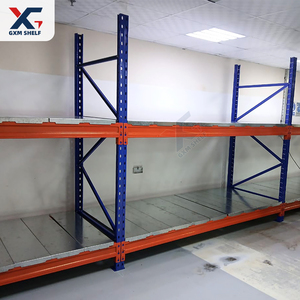
Recommended for food processing, laboratories, cold rooms and hygienic stores where boltless assembly, adjustable beams and stainless steel surfaces simplify cleaning and reconfiguration.
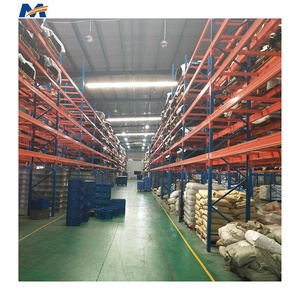
A practical choice for distributors that need flexible pallet positions, quick reconfiguration and robust steel shelving for mixed pallet sizes in 3PL and retail warehouses.
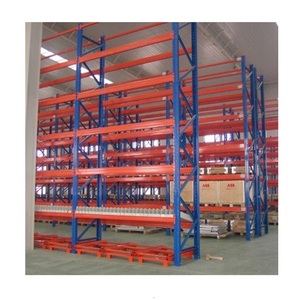
Selective pallet racking for high-throughput industrial storage. Suitable when you need long spans, multiple levels and a layout that can be engineered to Ecuador’s NEC-SE-DS seismic framework.
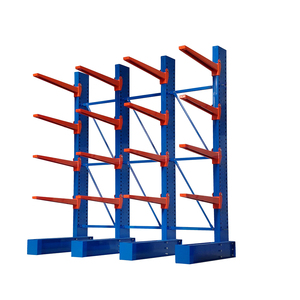
Cantilever storage for pipe, lumber, profiles and long building materials. Ideal for hardware depots, metal fabrication suppliers and construction material yards where unobstructed forklift access is essential.
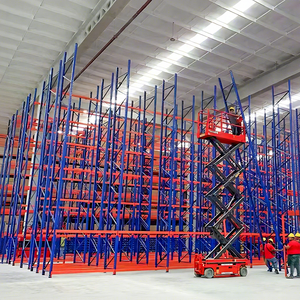
General-purpose heavy-duty pallet rack for mixed inventory. Adds capacity without custom automation and is suited to workshops, wholesalers and regional distribution centres around Cuenca.
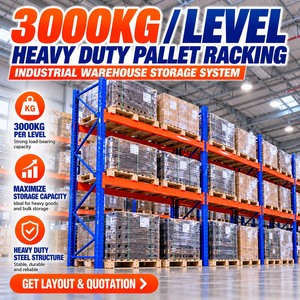
For dense loads such as tiles, cement products, hardware and industrial components. High load-per-level capacity and documentation help satisfy insurer, permit and internal safety requirements.
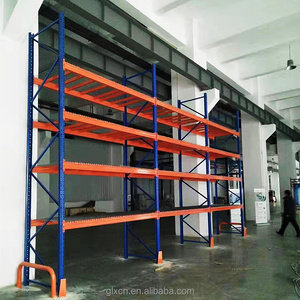
A 1,500 kg-per-level multi-layer system for limited footprints. The knock-down structure can reduce shipping volume to Ecuador and simplify future adjustment as storage needs change.
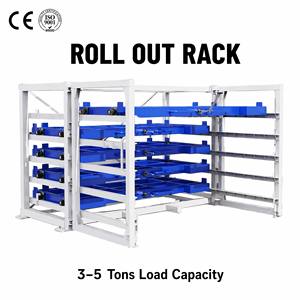
Customizable cantilever racking for long and bulky loads where finish quality matters. Powder coating helps in humid storage zones, semi-outdoor areas and facilities that require a cleaner appearance.
A Racking Partner for Cuenca, Not Just a Catalogue
Cuenca’s warehouse market is changing. Retailers, food processors, construction suppliers, furniture manufacturers and logistics operators around Azuay are consolidating inventory, serving routes toward Guayaquil and Quito, and confronting higher land costs inside the city’s industrial zones. In this environment, metal racking is not a commodity purchase; it is the physical operating system of the warehouse.
Real Nice Racks LLC designs and supplies pallet racking, cantilever systems, industrial shelving, mezzanines and cold-storage solutions for projects across Ecuador and South America. Our work starts with the data that determines safety and payback: pallet dimensions, load per level, SKU velocity, clear height, floor condition, forklift or reach-truck type, and the seismic requirements of the site. For Cuenca, we coordinate the design brief with Ecuador’s NEC-SE-DS seismic framework and, where required, with a locally licensed structural engineer.
Instead of shipping a generic kit, we provide engineered layouts, documented load capacity and lifecycle support. That means the racking you approve on paper can be inspected, maintained and expanded years later without guesswork.
- Site survey, layout options and load calculations before quotation
- Structural documentation, load signage and inspection records
- Cold-chain, corrosion-resistant and hygienic options for local industries
- Technical support in English and Spanish for Ecuadorian project teams
kg load per level available on heavy-duty systems
Freezer-ready racking options for cold-chain projects
Potential capacity gain through high-density re-layouts
South American markets supported by our engineering scope
Which Racking System Fits Your Cuenca Operation?
Start with how the warehouse actually moves goods. These three routes cover the majority of first-stage decisions for buyers in Cuenca and across Azuay.
Selective pallet racking with adjustable beams
Best for 3PL operators, retail distribution and mixed-SKU warehouses that need direct access to every pallet. Flexible beam levels make it easier to adapt when product profiles change.
Best for selectivity and future expansionCantilever and pipe rack for long goods
Best for construction materials, metal fabrication, furniture and timber. Open-front access allows forklifts or cranes to load long profiles without fighting upright frames or cross-bracing.
Best for pipe, timber and profilesStainless, powder-coated and cold-chain racking
Best for food, dairy, pharmaceuticals and freezer stores. Cleanable surfaces, low-temperature steel specifications and corrosion protection protect both product quality and long-term asset value.
Best for hygiene and temperature controlWhere Metal Racking Delivers Value in Cuenca
Cuenca is a manufacturing, retail and service centre for southern Ecuador. A racking layout should reflect the goods, labour model and delivery routes of the business using it.
Retail, wholesale and e-commerce distribution
Retailers serving Cuenca and Azuay need fast access to cartons, pallets and seasonal stock. Selective racking and shelving strike a practical balance between storage density and picking speed.
Food, dairy, bakery and agro-processing
Dairy, produce and packaged food operations benefit from hygienic surfaces, cleanable layouts and cold-room compatible steel. Mobile or high-density systems can reduce refrigerated air volume.
Construction materials, tiles and hardware
Tiles, cement-based products, pipe and timber require higher load ratings and careful access planning. Heavy-duty pallet racking and cantilever systems help yards operate safely.
Automotive, mining and MRO spare parts
Workshops, fleet operators and mining supply chains store heavy, irregular items. Pull-out drawers, reinforced beams and documented capacity help protect workers and equipment.
Pharmaceutical and medical logistics
Cleanability, traceability and clear load signage matter in regulated storage. Stainless and powder-coated systems can support temperature-controlled, audit-ready warehouse environments.
Furniture, ceramics and light manufacturing
Cuenca’s manufacturing base includes furniture, ceramics and specialist workshops. Cantilever racking, multi-tier shelving and mezzanine space help organise long boards and fragile finished goods.
Cuenca Warehouse Trends Reshaping Racking Decisions
Several forces are changing how buyers in southern Ecuador evaluate warehouse steel. A layout that ignores them may be technically strong but commercially outdated.
Seismic accountability is moving into procurement
Ecuador’s seismic risk is a design input, not a footnote. Buyers increasingly ask for anchors, bracing, load tables and engineering assumptions aligned with NEC-SE-DS before approving a layout.
Land scarcity is pushing storage upward and denser
Industrial space around Cuenca is not unlimited. Multi-layer racking, mezzanines, narrower aisles and high-density layouts are becoming practical alternatives to moving to a larger building.
Cold-chain and quality expectations are rising
Food, dairy, pharmaceutical and export-linked supply chains need stable temperatures, cleanable surfaces and documented storage practice. Racking must support these controls rather than obstruct them.
SKU growth is rewarding flexible steel systems
Retail and e-commerce assortments change faster than buildings. Adjustable beams, modular shelving and expandable pallet racking reduce the risk of a layout becoming obsolete.

High-density layouts can increase pallet positions without extending the building footprint.
High-Density Storage and Cold-Chain Opportunities in Cuenca
Where land is tight or a new building is delayed, high-density pallet racking, push-back, drive-in, shuttle and mobile racking can lift capacity within the existing footprint. In a documented P90 project, a high-density layout unlocked up to 20% more storage capacity while maintaining safe forklift operation. For Cuenca, that logic matters in food, retail and distribution facilities where adding square metres is slower and more expensive than re-planning the racking.
Cold-chain systems are specified for chilled and frozen environments down to approximately −30°C. Mobile racking such as MOVO is particularly valuable because fewer open aisles mean less air to refrigerate, lower energy consumption and more pallet positions inside the same insulated envelope. This supports fruit, dairy, seafood, meat and pharmaceutical supply chains operating from southern Ecuador.
Retrofit is not only about buying more steel. It requires re-checking the floor slab, anchors, aisle widths, sprinkler clearance, lighting and traffic flow. Our approach compares selective, high-density and mobile options side by side so the decision is based on pallet positions, throughput and total cost — not headline price per beam.
Why Choose a Factory-Backed Storage Partner for Cuenca
Good racking is engineered before it is manufactured. These capabilities are the differences that matter when a project must satisfy operations, safety, insurers and future expansion at the same time.
Engineering before quotation
Site survey, warehouse data, pallet profiles and throughput requirements are reviewed first. The result is a layout that fits the operation instead of forcing the operation to fit a stock size.
Documented structural safety
Designs reference EN 15512, EN 15620, EN 15635 and seismic methods such as FEM 10.2.08 / EN 16681. Local requirements are incorporated, including Ecuador’s NEC-SE-DS framework.
Seismic, cold-chain and corrosion expertise
Anchors, bracing and base plates can be specified for seismic zones, while stainless steel, powder coating and freezer-ready systems address hygiene, humidity and low-temperature conditions.
Factory quality and export packing
Manufacturing, quality checks and export packing are managed against project specifications. Components are prepared for international shipment and onward transport to Cuenca.
Installation, inspection and lifecycle support
From supervised installation to load signage, handover documentation and periodic inspection, we support the asset after the first pallet is stored.
Bilingual technical communication
Project teams can communicate in English and Spanish, with Portuguese support for regional coordination. Clear technical language reduces errors in layouts, approvals and installation planning.
Indicative Storage Density by System
Indicative comparison only. Actual results depend on the layout, aisle requirements, load profiles and handling equipment.Safety You Can Document — Not Just Promise
For Cuenca projects, a seismic calculation is not a decorative attachment. It determines how upright frames, base plates, anchors, bracing and beam connectors are specified for the actual site. Procurement teams, insurers and auditors increasingly expect traceable engineering assumptions, not verbal assurances.
Static steel racking is designed with reference to EN 15512, floor tolerances per EN 15620, and operation and inspection guidance per EN 15635. Seismic design references FEM 10.2.08 / EN 16681 and is coordinated with Ecuadorian requirements. For projects across South America, our documentation can also align with ABNT NBR 15524 in Brazil, NCh 433 in Chile, E.030 in Peru and NSR-10 in Colombia where relevant.
Every installation can be supported with load signage, capacity tables, installation records and inspection documentation. This gives Cuenca buyers a practical file for internal safety reviews, insurance discussions and future warehouse modifications.

Supervised installation and documented handover support long-term racking safety.
A Clear Path from Cuenca Brief to Working Warehouse
A structured process keeps budgets predictable and reduces the risk of importing components that do not fit the building or the operation.
1. Survey and brief
We review the floor plan, clear height, pallet sizes, loads, forklift type, SKU profile and site constraints.
2. Layout and calculation
Options are compared for pallet positions, access, safety clearances, seismic requirements and future expansion.
3. Manufacture and export
Steel components are produced to the approved specification, quality-checked and packed for shipment to Ecuador.
4. Install and handover
Installation is supervised, load signage is fitted, and handover documents support inspection and safe operation.
Common Local Procurement Questions
These are the questions technical and purchasing teams usually ask before approving a racking project in Cuenca and across Ecuador.
Are you a metal warehouse racking manufacturer or factory in Cuenca?
Real Nice Racks LLC is a storage-engineering and supply company with factory-backed manufacturing for Cuenca projects. We design and specify the system, manage production and export packing, and support installation and inspection. When a project requires a locally licensed structural review in Ecuador, we coordinate with the project’s engineer and provide the necessary layout, load and product data.
Can your racking be designed for Cuenca’s seismic conditions under NEC-SE-DS?
Yes. Cuenca is not exempt from Ecuador’s seismic risk. We design static racking with reference to EN 15512 and seismic methodology such as FEM 10.2.08 / EN 16681, then align base plates, anchors, bracing and beam connectors with the site’s seismic zone, soil conditions and NEC-SE-DS requirements. Final calculations should be reviewed by a locally licensed structural engineer where required by the project.
What information do you need to quote a Cuenca warehouse?
Please share the warehouse location, floor plan, clear height, pallet dimensions, load per pallet or level, required number of pallet positions, handling equipment type, floor slab condition and any known seismic or permitting requirements. Photos of the existing space and a sketch of traffic flow are also useful. With this information, we can compare selective, high-density, cantilever or shelving options.
What are typical lead times and shipping routes to Cuenca?
Lead time depends on engineering approval, production slot, order quantity and shipping schedule. Many Ecuador-bound projects ship through Guayaquil and are then transported onward to Cuenca. We can discuss ex-works, FOB or a coordinated delivery scope when agreed. Early confirmation of drawings, loads and finishes reduces the risk of delays.
Do you supply cold storage and hygienic racking for food and dairy operations?
Yes. We specify cold storage pallet racking, mobile racking and high-density systems for chilled and frozen environments down to approximately −30°C. Stainless steel and powder-coated options can support food, dairy, seafood, meat and pharmaceutical storage. Mobile racking is especially useful because it reduces the volume of refrigerated air and can improve energy efficiency.
Can you upgrade an existing warehouse instead of expanding?
Yes. Retrofit projects often combine re-layouts, high-density systems such as push-back, drive-in, shuttle or mobile racking, mezzanine floors and narrow-aisle configurations. High-density racking can deliver up to 20% more storage capacity in the same footprint. We review the existing structure, floor, aisle widths and safety clearances before recommending an upgrade.
What documentation is provided for permits, insurers and auditors?
Documentation can include layout drawings, load capacity tables, structural assumptions, finish specifications, load signage, installation checklists and inspection records. For Cuenca projects, seismic assumptions can be coordinated with NEC-SE-DS requirements and reviewed by a locally licensed engineer where required. This helps create a traceable file for safety, insurance and internal audit purposes.
Do you provide installation and after-sales support in Ecuador?
We support supervised installation, handover, load signage, inspection and future capacity upgrades. After-sales support can include periodic rack inspection, damage assessment, replacement components and training for warehouse teams. For technical questions, buyers can contact [email protected] and include the warehouse location, racking type and photos where available.
Request a Cuenca-Ready Racking Layout and Factory Quote
Send us your floor plan, clear height, pallet dimensions, load per level, handling equipment and target capacity. Our team will recommend a practical metal warehouse racking configuration for your Cuenca warehouse and clarify the engineering, documentation and delivery steps required.
Contact Us Technical enquiries: [email protected] · English / Spanish project support