Eight Warehouse Racking Products for Valparaíso Buyers
These product families cover mobile, selective, shuttle, VNA, boltless, cantilever and heavy-duty storage. Each link preserves the original product page so procurement teams can compare load capacities, layouts and technical options before requesting a Valparaíso-specific recommendation.
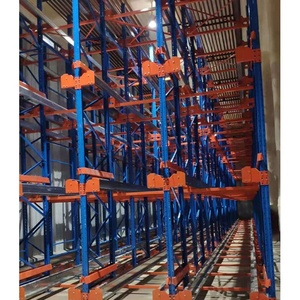
Customized Steel Pallet Rack Stacking Racks & Shelves Warehouse Storage Rack Heavy Duty Shuttle Racking for Industrial
View product details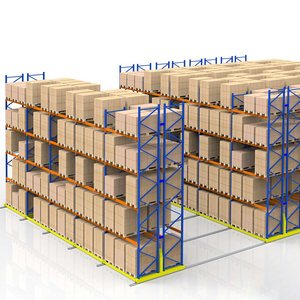
Custom Heavy Duty Selective Pallet Rack System One-Stop Warehouse Storage & Layout Design Solution in UAE
View product details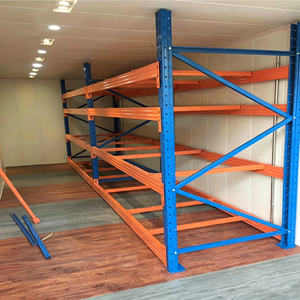
Heavy Duty Industrial Pallet Storage Racking 1000kg/2000kg/3000kg Capacity Per Layer Adjustable Steel Warehouse Rack
View product details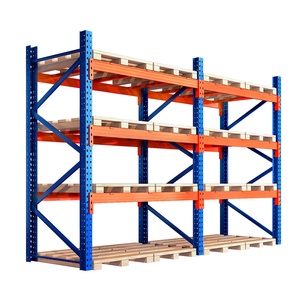
Industrial Heavy Duty Storage Shelves system Stacking Units Metal Rack Warehouse Steel Pallet Racking
View product details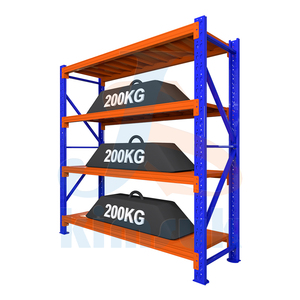
Boltless Adjustable Industrial Garage Heavy Duty Racking System Warehouse Metal Rack Storage Racks Shelving Units Steel Shelf
View product details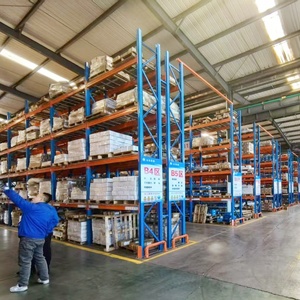
Industrial Warehouse Storage Rack Adjustable Custom 800-3000kg/Level Load Capacity Heavy Duty Selective Pallet Racking System
View product details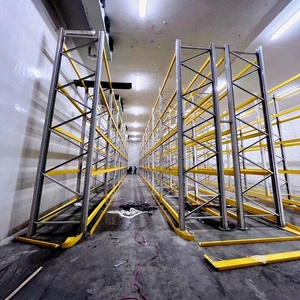
Low Price Racking Heavy Duty VNA Rack Adjustable Metal Boltless Shelf and Racks Warehouse Warehouse Storage Racks Metal Shelf
View product details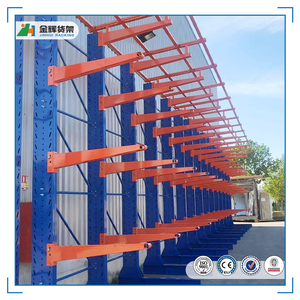
Heavy Duty Industrial Metal Cold Rolled Steel Aluminum Profile Storage Cantilever Pipe Rack Heavy Duty Cantilever Racking
View product detailsStorage Decisions Measured in Capacity, Access and Seismic Confidence
For warehouses serving Valparaíso, San Antonio, Viña del Mar, Quilpué and the wider port-logistics corridor, a racking layout must do more than hold pallets. It must protect throughput during fruit seasons, reduce refrigerated air volume where possible and satisfy Chilean engineering expectations.
Engineered for Port Logistics
Layouts start with real pallet profiles, SKU velocity, clear height, forklift type and seasonal peaks rather than a generic catalogue template.
Seismic-Ready Thinking
Bracing, base plates, anchors and connectors are specified with reference to FEM/EN seismic methods and coordinated with Chilean codes.
Cold-Chain Capable
Chilled and freezer storage systems suit fruit, seafood, meat, dairy and other export categories moving through Valparaíso and San Antonio.
Documented Handover
Load signage, capacity tables, inspection guidance and installation records help procurement teams, insurers and safety officers verify the system.
Movable Warehouse Racking in Valparaíso: A Procurement Whitepaper
Valparaíso is not a generic warehouse market. It combines one of Chile’s most important port gateways, high seismic exposure, cold-chain fruit and seafood flows, imported consumer goods and a land market where expanding an existing building can be more attractive than waiting for a new one. For procurement teams, the question is rarely “Which rack is cheapest per bay?” It is “Which movable warehouse racking manufacturer or wholesaler can deliver a system that survives local conditions, satisfies technical review and starts earning revenue before the next seasonal peak?”
That is the context in which Real Nice Racks LLC supports projects across South America. The company designs and supplies industrial storage and shelving systems — pallet racking, mobile racking, shelving, mezzanines, cantilever and semi-automated storage — with support from site survey and layout design through installation, inspection and future capacity upgrades. For Valparaíso buyers, that full-scope approach matters because a movable racking project sits at the intersection of structural engineering, refrigeration planning, forklift operations, customs logistics and after-sales service.
What Movable Warehouse Racking Means for Manufacturers and Wholesalers Serving Valparaíso
Movable warehouse racking — often called mobile pallet racking — is pallet racking mounted on rail-guided mobile bases. Instead of dedicating a permanent aisle to every pair of racking runs, the runs move laterally by remote control or push-button. A single working aisle opens exactly where a forklift, reach truck or AGV needs it, while every pallet remains directly accessible. This is different from drive-in or shuttle racking, where density is gained by reducing selectivity. With a well-designed mobile system, the warehouse can combine high-density storage with 100% pallet accessibility.
For manufacturers and wholesalers serving Valparaíso, the distinction is important. A mobile racking supplier must coordinate the racking structure, mobile bases, rails, drive systems, safety devices, floor tolerances, seismic anchoring and operational controls. A commodity shelving supplier cannot simply add wheels to standard uprights and call the result engineered mobile racking. The system needs a layout that respects forklift turning radii, floor flatness, fire strategy, refrigeration envelope and future SKU growth. Real Nice Racks approaches mobile racking as engineered storage infrastructure, not as a catalogue accessory.
The MOVO mobile pallet racking concept is especially relevant where floor area is expensive or refrigerated volume is costly to maintain. Racking runs move to open one aisle on demand, so the building can hold more pallet positions inside the same footprint. For a Valparaíso 3PL or cold store, that can mean fewer aisles, more storage density and a more efficient use of every cubic metre.
Why Mobile Racking Fits Valparaíso’s Port-Led Economy
Valparaíso’s economy is tied to movement: container traffic, fruit exports, imported goods, fishing, wine and agri-food supply chains, mining support and regional distribution. Warehouses near the port and along the logistics corridors toward Santiago often face sharp seasonal peaks. Fruit campaigns, holiday e-commerce, harvest timing and vessel schedules can change the storage profile from week to week. A racking layout that is fixed for one peak may be inefficient for the rest of the year. Mobile racking gives operators a way to increase density without permanently sacrificing access to every pallet.
Cold-chain facilities have an additional reason to consider mobile racking. In a chilled or frozen warehouse, every additional aisle represents air that must be cooled and maintained. Fewer aisles can reduce the refrigerated volume that the refrigeration plant has to manage, which supports energy efficiency and helps protect temperature stability during door openings and peak loading. For exporters handling grapes, berries, cherries, avocados, seafood or other temperature-sensitive cargo, more pallet positions inside the same insulated envelope can be more valuable than a lower initial racking price.
Land and construction costs in Greater Valparaíso also favour retrofit and high-density thinking. Building a new warehouse involves permitting, civil works, floor slabs, fire protection, refrigeration and time. In many cases, a mobile racking retrofit can unlock capacity inside an existing building while avoiding the cost and delay of new construction. High-density pallet racking can deliver up to 20% more storage capacity within the same building footprint in suitable projects, and mobile racking can go further where aisles dominate the layout.
Valparaíso Storage Pressure Indicators
Localized Application Scenarios in the Valparaíso Region
Fruit export cold-chain facilities
Packing and pre-cooling warehouses serving grapes, berries, cherries and avocados need dense chilled storage with fast access to active pallets. Mobile racking and selective pallet racking can be combined so that peak export campaigns do not force temporary floor stacking.
Seafood, fish and frozen processing
Freezer rooms around the port area benefit from racking engineered for low temperatures, condensation management and robust forklift impact protection. Mobile systems can reduce aisle volume while keeping lot traceability and FIFO discipline intact.
3PL and e-commerce in Greater Valparaíso
Third-party logistics providers in Viña del Mar, Quilpué and the surrounding industrial zones handle many SKUs with different velocities. Selective racking supports fast-moving lines, while mobile racking or boltless shelving can absorb slower, denser inventory.
Wine, agri-food and packaging stores
Wineries and food packagers in the Valparaíso Region need stable pallet storage for cartons, glass, packaging and finished goods. Well-ventilated layouts, clear load signage and adjustable beam levels support changing pack formats.
Mining and industrial spare parts
Maintenance stores for mining and port equipment often carry heavy, awkward items. Pull-out units, heavy-duty selective racking and cantilever racking improve crane or forklift access while keeping aisles clear and loads stable.
Port-adjacent import and export buffers
Buffer warehouses need rapid put-away and retrieval during vessel windows. Shuttle racking, VNA layouts and mobile racking can increase pallet density without turning the building into a low-access block stack.
Valparaíso Market Trends Shaping Movable Racking Decisions
1. Retrofit before new build
Rising industrial land values and construction timelines make existing-building optimisation more attractive. Re-layouts that combine mobile racking, mezzanines and narrow-aisle configurations can postpone or eliminate a new-build decision, while maintaining room for future automation.
2. Cold-chain energy discipline
Refrigeration is a major operating cost in export cold stores. Mobile racking reduces aisle volume, and tighter space utilisation can lower the air volume that must be cooled. Buyers increasingly compare racking options on total cost per pallet stored, not steel weight alone.
3. Seismic and inspection documentation
Chilean procurement teams expect more than a drawing. Structural calculations, anchor schedules, load signage, installation records and inspection guidance are becoming part of the vendor scorecard, especially for insurers and safety audits.
Product Recommendation Matrix: Match the Racking to the Cargo
Fast-moving pallets with high selectivity
Use selective pallet racking or MOVO mobile racking where every pallet must remain accessible and SKU velocity is high. Ideal for 3PL, e-commerce and distribution centres around Valparaíso.
Compare selective rackingDense storage with limited SKUs
Consider shuttle, drive-in or push-back systems where pallet count matters more than immediate access to every unit load. Suitable for seasonal cold stores and high-volume import buffers.
Review shuttle rackingLong goods, pipes and profiles
Cantilever racking provides open-front storage for steel profiles, aluminium, pipes, timber and building products. Single- or double-sided configurations can be planned for indoor or covered outdoor use.
Explore cantilever rackingSmall parts, tools and spares
Boltless shelving and heavy-duty industrial racks support maintenance stores, spare-parts rooms and mixed palletised inventory with adjustable beams and clear labelling.
View boltless systemsEngineering, Seismic Resilience and Compliance for Chile
Chile is one of the world’s most seismically active countries, and Valparaíso sits within a context where structural restraint, anchoring and bracing cannot be treated as secondary details. Racking must be engineered as a system. Base plates, anchors, frame bracing, beam connectors, floor tolerances and load signage all interact. A layout that works in a low-seismic market cannot simply be copied into a Chilean building without review.
Real Nice Racks aligns static racking design with EN 15512, floor tolerances with EN 15620, operation and inspection guidance with EN 15635, and seismic design with FEM 10.2.08 / EN 16681. For Chile, projects can be coordinated with local requirements such as NCh 433 and NCh 2369, with final calculations reviewed by a locally licensed structural engineer where required. This layered approach gives procurement teams a clearer technical trail and helps avoid late-stage surprises.

Engineered racking handover includes capacity tables, load signage and inspection guidance.
- Structural layout and load calculations documented for technical review.
- Seismic bracing, base plates and anchors specified for the site’s zone and soil conditions.
- Cold-store versions planned around freezer temperatures, floor slabs and condensation risk.
- Installation supervision, load signage and after-sales inspection support.
For cold storage, the engineering review also considers steel behaviour at low temperature, corrosion protection, floor flatness in freezer rooms and the practical realities of maintenance access. These details matter in Valparaíso because a cold-chain project may need to operate reliably during harvest peaks, when downtime is especially expensive.
Enterprise Advantages: Why Real Nice Racks Supports Valparaíso Projects
Real Nice Racks LLC designs and supplies industrial storage and shelving that helps businesses increase capacity, productivity and operational safety. The company supports multinational brands and fast-growing regional companies from the first site survey to installation, inspection and ongoing service. Every layout starts with the customer’s real data — pallet profiles, SKU velocity, forklift types, clear height and seismic zone — so the system fits how the warehouse actually works.
One partner, full scope
Pallet racking, shelving, mezzanines, cantilever, pull-out units and semi-automated storage can be planned together, reducing interface risk between suppliers.
Technical documentation
Load signage, capacity tables, structural calculations and inspection records support procurement, insurers and internal safety teams.
Multilingual support
Project communication is available in English, Spanish and Portuguese, which helps Chilean buyers coordinate with international engineering and export teams.
Lifecycle service
Survey, installation, periodic rack inspection, damage repair and capacity upgrades help the system remain productive as the business grows.
Procurement, Shipping and Installation: From Quote to Valparaíso Handover
Analyse
Share warehouse location, floor plan, clear height, pallet dimensions, load per pallet, forklift type, target temperature and seismic information.
Design
Compare selective, mobile, VNA, shuttle and shelving options with capacity calculations, aisle requirements and structural considerations.
Manufacture
Quality-controlled steel production, export packing and documentation for shipment to Valparaíso, San Antonio or the nearest agreed port.
Install & support
Supervised installation, load signage, handover records, operator guidance and after-sales inspection support for the life of the system.
For a smooth quotation, buyers should include the warehouse location, a floor plan or sketch, clear height, pallet size and weight, load per level, handling equipment, temperature range and any known seismic or building constraints. If a floor plan is not available, photographs and approximate dimensions can still support an initial discussion. The earlier the data is shared, the faster the engineering team can separate a practical Valparaíso layout from a generic catalogue proposal.
Local Buying FAQ for Valparaíso
What is movable warehouse racking, and is it suitable for an existing Valparaíso warehouse?
Yes, subject to floor and structural review. Movable racking uses rail-mounted bases to open one aisle on demand. It is often considered for existing warehouses where land is constrained and the operator wants more pallet positions without a new building.
Can the racking be designed for Chilean seismic requirements?
Racking can be calculated with reference to FEM 10.2.08 / EN 16681 and coordinated with Chilean requirements such as NCh 433 and NCh 2369. Final calculations should be reviewed by a locally licensed structural engineer where required.
How much extra capacity can mobile racking create?
The gain depends on bay depth, aisle width, forklift type, floor condition and SKU profile. High-density pallet racking can deliver up to 20% more storage capacity within the same footprint in suitable projects, while mobile racking may unlock further capacity where aisles dominate the plan.
Can mobile racking work in a freezer or cold store?
Yes. Cold-store systems can be specified for chilled and frozen environments down to approximately -30°C. Mobile racking is particularly relevant because reducing aisle volume can lower the refrigerated air volume and support energy efficiency.
What information is needed for a quotation?
Provide warehouse location, floor plan, clear height, pallet dimensions, load per pallet, number of pallets, forklift or reach truck type, target temperature and any seismic or building constraints. Product catalogues and technical documentation can also be requested.
How are shipments delivered to Valparaíso or San Antonio?
Projects are export-packed and shipped to the nearest agreed port, followed by supervised installation and handover. Documentation, load signage and inspection guidance are prepared so the local team can operate and maintain the system confidently.
Request a Valparaíso Warehouse Racking Assessment
Send your floor plan, clear height, pallet size, load per pallet, target temperature and handling equipment. The engineering team can then recommend selective, mobile, shuttle, VNA, cantilever or shelving options for your Valparaíso project — with capacity, seismic and cold-chain considerations clearly compared.