A Pallet Rack Shelving Supply Chain Built Around Brazilian Warehouses
Brazil is not a single warehouse market. A 3PL operation in Cajamar may need high-throughput selective racking and a clear fire strategy, while a cold store near Itajaí may need mobile racking that reduces refrigerated air volume. A spare-parts warehouse in Minas Gerais may need heavy-duty shelving and corrosion protection for humid conditions. As a pallet rack shelving supplier and exporter for the Brazil market, Real Nice Racks LLC starts every project from the load up: pallet profile, SKU velocity, clear height, forklift or AGV interface, floor condition, fire strategy and local compliance.
Why “catalogue export” is not enough for Brazil
Imported racking must fit the building, the pallet and the operating team. A system that works in a European high-bay warehouse may need different beam spans, upright protection, mesh decking or corrosion protection in Brazil. Brazilian buyers also need documentation that supports safety, insurance and internal audits, not just a price list.
- Layouts sized for Brazilian pallet standards, including 1,200 × 1,000 mm PBR and other common footprints.
- Technical drawings, packing lists, load signage and capacity tables prepared for import and installation planning.
- A clear upgrade path from selective racking to high-density P90, push-back, shuttle or MOVO mobile systems.
- Commercial and technical support in English, Spanish and Portuguese for procurement and engineering teams.
8 Pallet Rack Shelving & Warehouse Storage Products Recommended for Brazil
The eight systems below are not a random catalogue list. They are matched to recurring Brazil requirements: humidity and corrosion, PBR pallets, high land costs, cold-chain expansion, 3PL picking pressure and the need to phase investment from manual storage toward semi-automation.
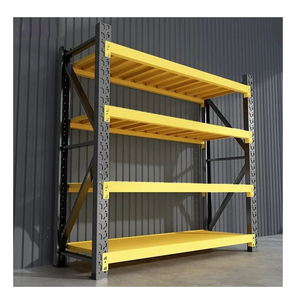
Light Duty 4-Tier Steel Metal Storage Rack Shelves Corrosion Protected Home and Garage Racking for Warehouse Use
For Brazilian workshops, garages and small-parts stores where humidity and dust are constant. Multi-tier shelving keeps cartons, tools and maintenance items off the floor, supports hand picking and can be specified with corrosion protection for tropical interiors.
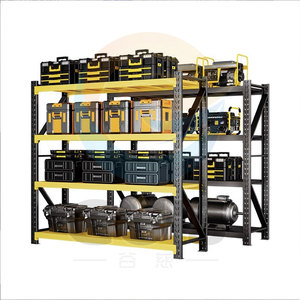
Heavy-Duty Boltless Shelving Racking System for Industrial & Home Use 5 Layer Steel Warehouse Storage Rack Shelf Original Black
A boltless 5-layer shelf for spare parts, retail backrooms and 3PL carton picking. Boltless assembly reduces installation time and allows reconfiguration as the SKU mix changes. Suitable for Brazilian distribution centres that need hybrid storage for cartons, tools and palletised items.
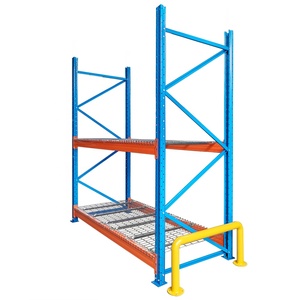
2500kg Layer Load Warehouse Storage Pallet Shelving Rack with Wire Mesh Decking
For high-bay pallet storage where mesh decking improves load support for small or irregular pallets and helps contain debris. A strong fit for São Paulo and southern Brazil distribution centres, beverage and FMCG warehouses that need selective access and clear load signage.
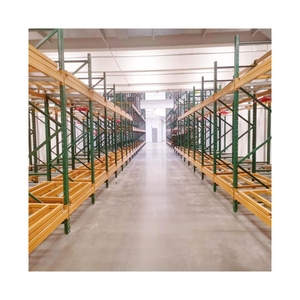
Custom Storage System Stacking Racks Shelves Warehouse Rack Push Back Pallet Racking with Guide Rail
Push-back racking increases pallet density by nesting pallets on carts and rails, usually on a LIFO basis. Recommended for high-volume SKUs with multiple pallets per SKU, such as food, building materials or imported consumer goods. The guide rail supports smooth cart movement and reduces handling friction.
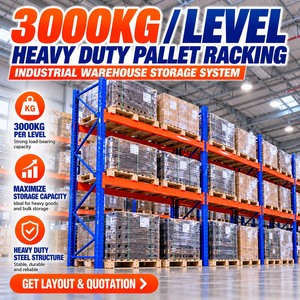
3000kg Per Level Heavy Duty Warehouse Pallet Racking System
A robust selective system for heavy pallets in automotive, machinery, beverage and industrial spare-parts warehouses. It provides direct access to every pallet and can be combined with mesh decking, upright protectors and aisle guides. Final upright and beam selection depends on bay width, beam span and load height.
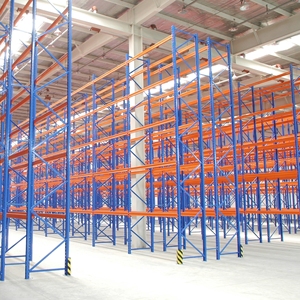
Low Price Custom 2-6 Level High Quality Pallet Racking Warehouse Storage Shelf System Industrial Stack Heavy Duty Pallet Racks
A flexible 2–6 level system for Brazilian warehouses that need a phased investment. It can start as a conventional selective layout and later add higher-density modules, mezzanine or shuttle support. Custom dimensions help match PBR pallets, fire sprinkler clearance and forklift lift heights.
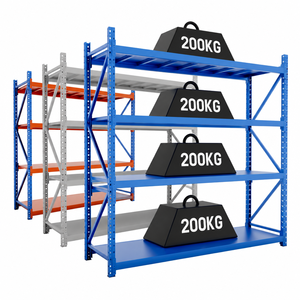
Factory Direct 4-Layer 100/200/300kg Medium Heavy Duty Pallet Racking System Steel Adjustable Long Span Warehouse Storage Racks
Medium-to-heavy adjustable long-span racking for building materials, e-commerce cartons, auto parts and general industrial storage. It is often used where pallet loads are mixed with hand-loaded shelves. Adjustable beam levels allow fast re-slotting when demand shifts.
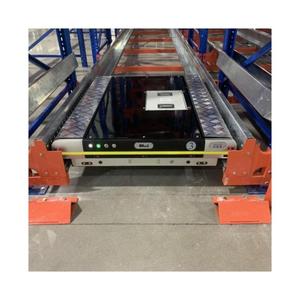
Custom Warehouse Steel Rack Large Capacity Material Shelves Automatic Storage Shuttle Pallet Racking With CE
A high-density shuttle system for Brazil’s growing cold-chain, FMCG and 3PL operations. Shuttle racking can reduce aisle count and increase pallet positions in a given footprint, while supporting semi-automated handling. It is a strong candidate for freezers, distribution centres and phased automation plans.
Where Pallet Rack Shelving Delivers Value in the Brazil Market
Brazilian storage projects must answer the local operating environment: high humidity in coastal and Amazon regions, dust, intense inbound peaks, PBR pallets, limited clear height in urban warehouses and a fast-growing cold chain. These applications reflect common engineering briefs from Brazilian buyers.
São Paulo & Campinas E-commerce and 3PL
Multi-channel 3PLs need fast SKU access, clear pick faces and capacity for daily inbound peaks. Selective pallet racking with mesh decking, shelving for small parts, and narrow-aisle or mezzanine options can fit high land costs around São Paulo, Cajamar, Extrema and Campinas.
Cold Chain & Export Hubs
Fruit, poultry, beef, pork, seafood and dairy exporters need freezer-ready racking, corrosion-conscious finishes and layouts that reduce refrigerated air volume. MOVO mobile racking and shuttle systems can be evaluated for chilled and freezer spaces down to approximately -30°C.
Automotive & Industrial Spare Parts
Heavy pallets, engine components, tooling and dies require robust frames, upright protection and pull-out units. In Minas Gerais and São Paulo industrial corridors, load signage and inspection records help safety teams manage mixed forklift traffic and heavy maintenance parts.
Agro-Industrial & Fertiliser Storage
Long-span racking, cantilever and heavy-duty shelving support bagged goods, seed, inputs and long items in Paraná and Rio Grande do Sul. Corrosion protection, cleanable surfaces and robust aisle design are important in dusty, humid agro-industrial environments.
Retail, Wholesale & Northeast Distribution
Multi-category wholesale warehouses around Recife, Salvador, Fortaleza and Suape often need adaptable selective racking for pallets plus hand-loaded cartons. Adjustable beam levels help respond to seasonal demand while retaining clear forklift aisles and safe load signage.
Pharma, Cosmetics & Hospital Logistics
Where cleanliness, batch traceability and inspection are critical, racking layouts should include load signage, smooth surfaces, clear aisles and fire strategy coordination. Shelving and mezzanine floors can separate fast movers from pallet reserve in controlled environments.
Procurement Trends Shaping Pallet Rack Shelving in Brazil
Brazilian buyers are not only comparing price per bay. They are evaluating how a system will handle the next five to ten years of demand, energy costs, safety audits and land constraints. These are the trends our engineering and export teams see in project briefs.
E-commerce, 3PL and urban fulfilment intensity
More SKUs, smaller order profiles and faster turnover are pushing warehouses toward selective racking with strong selectivity, small-parts shelving and layout flexibility. Aisle design must balance forklift speed, safety and picking access.
High-density retrofit before new construction
Land and construction costs around São Paulo, Curitiba, Belo Horizonte and Campinas make retrofit attractive. P90 high-density layouts, push-back and shuttle systems can add capacity inside the existing building, with potential gains up to 20% in suitable projects.
Cold-chain expansion and energy efficiency
Brazil’s fruit, meat, poultry, dairy and seafood supply chains are investing in modern cold stores. Fewer working aisles with MOVO mobile racking reduce the refrigerated air volume that must be cooled, supporting energy management and higher pallet density inside the envelope.
Automation-ready designs and shuttle racking
Even when a project starts manual, the layout should not block future automation. Shuttle racking, semi-automated storage machines and AGV/AMR-friendly aisles can be phased in as volume and labour costs change.
Corrosion protection for humidity and coastal air
Brazil’s tropical humidity and coastal logistics hubs demand attention to surface protection, touch-up routines and material specification. Corrosion-protected shelving, powder coating and appropriate housekeeping are part of the design conversation, not an afterthought.
Documentation, inspection and safety culture
Warehouse operators face audits and insurer questions. Load signage, capacity tables, inspection records, structural calculations and team training are increasingly requested with new racking projects. Documentation is a procurement advantage, not paperwork.
Why Brazilian Buyers Work With Real Nice Racks LLC
Real Nice Racks LLC designs and supplies industrial storage systems for warehouses across South America, with support from first site survey to installation, inspection and future upgrades. Our engineering team works with multinational brands and growing regional companies that need a practical route from concept to operation.

One engineering team across racking, shelving, mezzanines and mobile storage
From our product portfolio, Brazilian buyers can combine P90 pallet racking, MOVO mobile racking, industrial shelving, mezzanines, cantilever and pull-out units, and semi-automated storage machines. This range matters because warehouse projects rarely fit one product category. A mixed-use distribution centre may need selective pallets, carton shelving and a mezzanine in the same building.
Our South America support model covers English, Spanish and Portuguese communication, export packing, port delivery planning and documentation that helps local engineering and procurement teams review the project. The goal is not to send a generic catalogue, but to turn warehouse data into a layout that can be quoted, installed and inspected.
Start a Technical ReviewEngineering-led design
Site survey, SKU analysis, structural calculations and layout comparison before quotation, so the system fits the real building.
South America project support
Experience with export packing, port delivery and documentation for Brazil and other South American destinations.
Full-scope product range
Pallet racking, shelving, mobile racking, shuttle, cantilever, pull-out units, mezzanines and semi-automated storage.
Standards and compliance
Designs aligned with EN 15512, EN 15620, EN 15635 and ABNT NBR 15524 for Brazilian selective pallet racking, with seismic methodology per FEM 10.2.08 / EN 16681 where applicable.
Cold-chain capability
Racking and mobile systems for chilled and freezer environments down to approximately -30°C, suitable for Brazil’s food export and domestic cold-chain hubs.
Lifecycle service
Inspection, damage repair, capacity upgrades, spare-parts guidance and training support after handover for long-term safety.
Multilingual communication
Technical and commercial support in English, Spanish and Portuguese for procurement, engineering and operations teams.
Sustainability and material efficiency
Higher density per square metre, fewer aisles where appropriate and designs that use less steel and less refrigerated air per pallet stored.
A Low-Risk Workflow for Pallet Rack Shelving in Brazil
A five-stage workflow keeps technical review, import planning and installation coordination in the right sequence. It is designed for buyers who need a system that can be documented, shipped and operated safely.
Analyse
Share warehouse city, floor plan, clear height, pallet dimensions, load per pallet, forklift or AGV type, temperature and target throughput.
Design
Compare selective, push-back, shuttle, mobile or shelving options; prepare layouts, structural calculations and capacity comparisons.
Manufacture
Steel components are produced under quality control, packed for export and labelled for efficient site handling. Finish and protection are agreed in advance.
Ship
Export packing is prepared for shipment to ports such as Santos, Paranaguá, Itajaí, Rio Grande or Suape, with documents for customs brokers and project teams.
Install & Support
Support supervised installation, handover, load signage, inspection records and future capacity upgrades, with team training on safe loading and daily checks.
Brazil Buyer FAQ: Pallet Rack Shelving, Import and Application
These are the questions procurement, engineering and operations teams most often ask when evaluating an imported pallet rack shelving supplier for Brazil.
What pallet rack shelving is best for a Brazilian warehouse?
There is no single answer. Selective pallet racking is best when every SKU needs direct access. Push-back and shuttle racking are better for high-volume SKUs with multiple pallets, while mobile racking suits cold stores and space-constrained sites. Shelving is used for cartons, small parts and hand-loaded picking. The right choice depends on pallet count, SKU velocity, clear height, handling equipment and fire strategy.
Do your racking systems comply with ABNT NBR 15524 and international standards?
For Brazil, selective pallet racking should be aligned with ABNT NBR 15524. We also design with reference to EN 15512 for steel racking design, EN 15620 for tolerances, EN 15635 for use and inspection, and FEM 10.2.08 / EN 16681 for seismic applications. Final structural documentation is agreed with the project’s licensed engineer where local review is required.
Can you supply cold storage racking for Brazilian freezers?
Yes. We specify cold storage racking, mobile racking and high-density systems for chilled and frozen environments down to approximately -30°C. This supports fruit, meat, poultry, seafood and dairy operations. MOVO mobile racking is often evaluated for freezers because it reduces aisle count and refrigerated air volume, which can support energy management and pallet density.
How are products shipped to Brazil?
Systems are export-packed and shipped to the port agreed with the buyer, commonly Santos, Paranaguá, Itajaí, Rio Grande or Suape, with onward road or river transport where required. We provide packing lists, drawings and installation documentation to support customs clearance and site planning. Import clearance is handled by the buyer’s customs broker, with technical documents supplied as needed.
What is the typical lead time and minimum order quantity?
Lead time and MOQ depend on the system type, quantity, finish, engineering approvals and shipping schedule. A selective pallet racking project has a different manufacturing profile from mobile or shuttle racking. We confirm the schedule after reviewing drawings, load data and the target port. Phased delivery can be planned for warehouse expansions and budget cycles.
Can you retrofit an existing Brazilian warehouse to add capacity?
Yes. Retrofit projects often combine a new layout, higher-density P90 racking, push-back or shuttle modules, mobile racking, mezzanine floors and narrow-aisle concepts. High-density pallet racking can deliver up to 20% more storage capacity within the same footprint in the right project conditions, avoiding the cost and delay of new construction.
What documentation is supplied for safety and insurance?
Depending on scope, we provide layout drawings, structural calculations, capacity tables, load signage, installation instructions and handover records. Inspection and maintenance guidance follows recognised racking practice. This documentation helps safety teams, insurers and auditors verify that the system is used within its intended capacity.
What information do you need to quote a Brazil project?
Send the warehouse location, floor plan, clear height, pallet dimensions, load per pallet, forklift or AGV type, temperature range, throughput target and target port. If an existing racking layout is being replaced, include photos and current bay dimensions. Email [email protected] or use the inquiry button to start the technical review.
Send Your Warehouse Data for a Brazil-Specific Racking Proposal
Share your project data and our team will review the storage concept, density options, documentation needs and export route. The goal is a technically usable response, not a generic brochure.
- Warehouse location and target port
- Floor plan and clear height
- Pallet size, load and racking bay dimensions
- Handling equipment, including forklift, reach truck or AGV/AMR
- Temperature, humidity and corrosion considerations
- Throughput, SKU profile and expansion timeline
Talk to the engineering team
For a faster review, include your city, building drawing, pallet load, target capacity and preferred Brazilian port. Our team can reply in English, Spanish or Portuguese.
Email: [email protected]