Pallet Rack Solutions Manufacturers & Factory Serving the Quito Market
Seismic-ready selective racking, high-density pallet storage, mezzanine shelving and cantilever systems engineered for Quito warehouses — supported from layout and export packing to installation and lifecycle inspection.
Inquire NowEight Pallet Rack Solutions for Quito Warehouses
These eight systems are commonly specified for Quito distribution centres, third-party logistics stores, flower export cold rooms, manufacturing plants and e-commerce fulfilment centres. Each can be configured around NEC-SE-DS seismic requirements, local floor conditions, container shipping constraints and the actual forklift fleet in use.
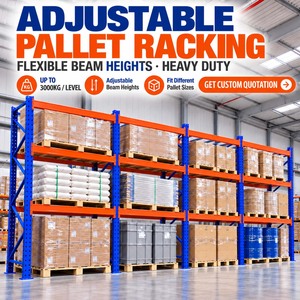
Adjustable Steel Pallet Racking System for Heavy Pallet Storage
A flexible selective rack for mixed-SKU pallets, 3PL operations and imported stock in Quito. Adjustable beams support changing pallet profiles, forklift routes and future expansion.
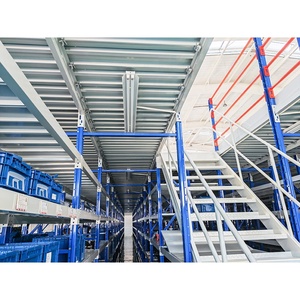
E-commerce and Chemical Plant Warehouse Mezzanine Shelving Rack with 500 kg/m² Load
Multi-tier mezzanine shelving for e-commerce pick faces, chemical storage rooms and Pichincha distribution centres that need more usable floor area inside an existing building.
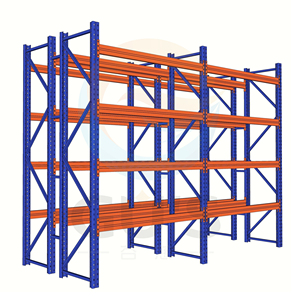
Industrial Heavy-Duty Pallet Racking Storage System
A robust pallet stacking rack system for dense pallet storage, spare parts and high-turnover goods where beam impact protection, clear labelling and stable access matter.
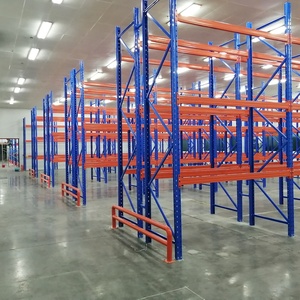
Heavy-Duty Adjustable 5-Tier Steel Warehouse Shelving
Five-tier adjustable steel shelving for cartons, tools, maintenance stores and order picking in Quito facilities with limited clear height or mixed hand-loaded inventory.
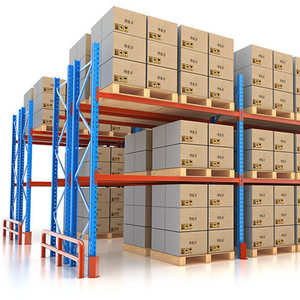
Selective Heavy-Duty Warehouse Pallet Racking System
Direct-access selective pallet racking for fast-moving SKUs, with straightforward forklift access, simple future expansion and clear visibility of every pallet position.
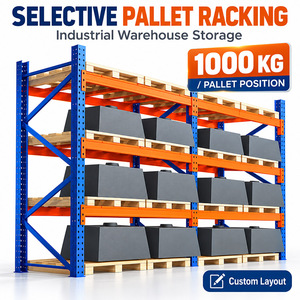
Factory Direct Heavy Duty Selective Pallet Racking, 2,000 kg per Level
A factory-direct selective rack engineered around 2,000 kg level loads, three adjustable levels and documented load signage for Ecuadorian warehouse projects.
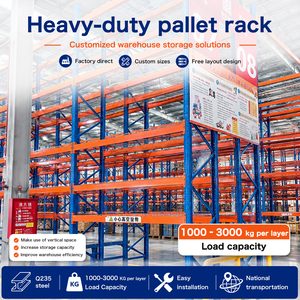
Industrial Heavy-Duty Steel Pallet Rack System
High-capacity steel storage racking for manufacturing, import distribution and 3PL operations that require long-term structural reliability and straightforward inspection.
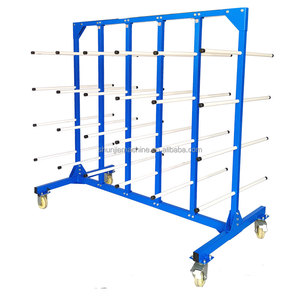
Customized 5-Tier Double-Sided Cantilever Rack Cart with Wheels
A mobile double-sided cantilever solution for long profiles, timber, pipes and building materials, including yard, workshop and covered storage use in Quito.
Why Pallet Rack Solutions for Quito Must Be Engineered, Not Copied
Quito is one of South America’s most distinctive warehouse markets. At roughly 2,850 metres above sea level, the city combines thin air, high seismic hazard, tight valley geography and a growing role as an Andean distribution hub for imported consumer goods, pharmaceuticals, automotive parts, fresh flowers and daily consumer staples. A pallet rack solution cannot simply be copied from a coastal warehouse in Guayaquil or from a generic catalogue page. The rack layout, beam levels, anchor design, forklift aisle width, fire strategy and future expansion path must fit the building, the load and the way work actually moves through the facility.
For procurement teams, the most important distinction is not only price per bay. It is whether the supplier can connect Quito-specific building conditions with verifiable structural engineering, export packing, installation supervision and lifecycle support. A factory-direct quotation without local design review can create hidden costs in rework, anchors, permits, insurance documentation or lost storage capacity.
The same principle applies to e-commerce fulfilment centres in Carcelén or Pomasqui, flower export cold rooms serving the airport corridor, pharmaceutical stores in the north of Quito and long-goods yards in the Los Chillos valley. Each operation has a different mix of SKU velocity, pallet weight, handling equipment, building clear height and fire separation. The rack should be selected from those facts, not from a single standard layout.

High-density mobile racking opens one aisle on demand — a useful strategy where Quito land and cold-room volume are expensive.
Indicative planning comparison only. Final density and access depend on pallet profile, aisle rules, handling equipment and local code review.
Where Pallet Rack Solutions Fit Across the Quito Market
Quito buyers usually search for a rack type first, but the real decision is operational. These six scenarios show how pallet racking, mezzanine shelving and cantilever storage are applied in and around the city.
Flower Export Cold Chain
Rose, bouquet and cut-flower exporters around Tababela and the airport corridor need chilled storage that keeps cartons and export trolleys accessible. Selective racking, mobile racking and cold-room-compatible finishes help reduce refrigerated air volume while preserving rapid order picking.
3PL and E-commerce Fulfilment
In Carcelén, Pomasqui and Calderón, 3PL operators handle many clients with different SKU profiles. Mezzanine shelving and adjustable selective racking allow pick faces, reserve pallet storage and future reconfiguration without abandoning the original steel structure.
Pharma, Cosmetics and Laboratories
Quito’s pharmaceutical and personal-care distributors need clean, clearly labelled storage with traceable load signage. Rack layouts should separate quarantine, release and rejected goods while keeping inspection routes simple and auditable for insurers and quality teams.
Automotive and Industrial Spare Parts
Heavy spare parts, dies and mining components suit heavy-duty selective racking, pull-out units and cantilever systems. Beam capacities, decking and forklift access must be matched to real loads, not just pallet counts, especially where imported parts arrive in irregular packaging.
Food, Beverage and Retail Distribution
High-turnover consumer staples require fast access, FIFO control and straightforward replenishment. Selective pallet racking remains the default for mixed retail SKUs, while push-back or drive-in systems can absorb seasonal peaks where selectivity is less important.
Construction Materials and Long Goods
Pipes, profiles, timber and building products are better stored on open-front cantilever racking. Mobile cantilever carts with wheels help workshops and yards in the Los Chillos valley move long goods between covered storage, finishing areas and dispatch points.
What Is Changing in Quito Warehouse Storage Planning
Demand is shifting from simple pallet counting to documented safety, higher density and faster order flow. These trends are shaping how factory-direct racking is specified for the Quito market.
Seismic Documentation as a Procurement Gate
Insurers, landlords and corporate procurement teams increasingly ask for anchor details, structural calculations, load signage and as-built drawings. Racking designed only by catalogue capacity is becoming harder to justify in a high-seismic country such as Ecuador.
Vertical Expansion Before New Construction
Industrial land in the Quito metropolitan area is constrained by valleys, transport corridors and zoning. Mezzanine shelving, high-bay selective racking and narrower aisle planning often release capacity faster than moving to a new building.
Cold-Chain and High-Density Investment
Flower, food, dairy and pharmaceutical supply chains continue to invest in controlled-temperature storage. Mobile racking and high-density systems reduce refrigerated air volume and can improve energy efficiency per pallet position when correctly engineered.
E-commerce and Nearshoring Flexibility
E-commerce growth and regional supply-chain diversification require layouts that can change. A modular pallet rack platform, adjustable beam levels and documented expansion paths help Quito operators adapt without replacing the entire system.
Selective, Drive-In, Push-Back, Mobile or Mezzanine?
Use this comparison to frame the first engineering conversation. The right answer usually combines two or more systems inside one Quito warehouse rather than forcing every SKU into a single rack type.
What a Quito Buyer Should See Before Signing
A pallet rack is a structural installation, not a furniture item. The quotation should make the engineering basis visible before price comparisons are made.
For static steel racking, the core design reference is EN 15512. Floor tolerances are checked against EN 15620, while operation and inspection guidance follows EN 15635. Where seismic design applies, calculations can reference FEM 10.2.08 and EN 16681, coordinated with Ecuadorian requirements such as NEC-SE-DS and reviewed by a locally licensed structural engineer when the project requires it.
Documentation should include permissible beam loads, frame capacity, anchor specification, base-plate details, bracing layout, floor flatness requirements, installation method statements, load signage and an inspection schedule. For a Quito facility, the review should also consider how imported racking will be packed, shipped, unloaded and moved through the final access route before installation begins.

High-density retrofit can add storage positions within the same building — but only when structural capacity, clear height, fire strategy and forklift routes are verified.
Real Nice Racks LLC: Factory-Direct Supply with South American Project Experience
Real Nice Racks LLC designs, supplies and supports industrial storage systems — pallet racking, mobile racking, shelving, cantilever, mezzanines and semi-automated storage machines — for warehouses and distribution centres across South America, including Ecuador. The approach is engineering-led: survey first, calculate the layout, then manufacture and deliver with documentation that supports installation, inspection and future expansion.
One Engineering Partner, Full Scope
From site survey and data analysis to layout, structural design, manufacturing, export packing, supervised installation and handover, Quito buyers work with one accountable technical team instead of disconnected suppliers.
Seismic-Ready Design and Local Coordination
Base plates, anchors, bracing and beam connectors are specified for the site’s seismic zone and soil conditions, with calculations coordinated with a locally licensed structural engineer where required.
P90 Platform and MOVO Mobile Racking
The modular P90 pallet racking platform supports selective, drive-in, push-back, shuttle, mobile and narrow-aisle configurations, helping a Quito warehouse scale without changing the entire structural family.
Cold-Chain and High-Altitude Planning
Systems can be specified for chilled and frozen environments down to approximately −30 °C, while aisle widths, beam heights and load profiles are planned around the actual forklift performance and clear height in Quito.
Export Packing and Port-to-Quito Delivery
Projects typically move through export packing, sea freight to Guayaquil, Manta or Esmeraldas, customs clearance and inland transport to Quito, followed by supervised installation and documented handover.
Lifecycle Inspection, Repair and Upgrades
After installation, support can include periodic rack inspection, damage assessment, repair recommendations, operator training and capacity upgrades as the Quito operation grows.
From Quito Site Survey to Long-Term Support
A clear four-stage process keeps budgets, shipping schedules and installation windows realistic for first-time and repeat buyers.
Survey and Analyse
Collect floor plan, clear height, pallet profiles, loads, throughput, forklift data and seismic/soil information for the Quito site.
Design and Calculate
Compare selective, high-density, mezzanine or cantilever options with structural calculations and a documented capacity plan.
Manufacture and Export
Produce the approved steel components, pack for sea freight and prepare documentation for arrival through the selected Ecuadorian port.
Install and Inspect
Supervise installation, fix load signage, verify as-built condition and set the inspection routine for the life of the system.
Common Procurement Questions for Pallet Racking in Quito
These are the questions that most often shape supplier selection, technical review and project budgeting for warehouses in Pichincha and across Ecuador.
Can pallet racking in Quito be engineered for NEC-SE-DS seismic requirements?
Yes. Racking for Quito and other high-seismic areas of Ecuador should be calculated with seismic methodology referenced to FEM 10.2.08 and EN 16681, then coordinated with NEC-SE-DS requirements and reviewed by a locally licensed structural engineer where the project requires it. Base plates, anchors, bracing and beam connectors should be selected for the site’s seismic zone, soil conditions and building type — not copied from a non-seismic warehouse.
How do I choose between selective, drive-in, push-back and mobile racking?
Start with selectivity and turnover. Selective racking gives direct access to every pallet and suits mixed, fast-moving SKUs. Drive-in racking increases density for low-selectivity, LIFO stock. Push-back provides a middle ground for medium SKU counts. Mobile racking delivers high density with 100% pallet accessibility and is often attractive for cold rooms or high-value goods where every square metre has a cost.
What does delivery from the factory to Quito involve?
A typical project includes export packing at the factory, sea freight to a port such as Guayaquil, Manta or Esmeraldas, customs clearance and inland transport to Quito. The layout should be planned early enough to confirm container loading, unloading access, storage space at the site and the installation sequence, especially where the warehouse remains operational during the project.
What information should I prepare for a pallet racking quotation?
For a useful Quito quotation, provide the warehouse location, floor plan, available clear height, pallet dimensions, load per pallet, SKU velocity, current and future pallet counts, forklift or reach-truck type, floor condition and any seismic or insurance requirements. If the building is leased, include landlord restrictions and fire-strategy requirements. A technical comparison is more reliable when these inputs are shared before pricing.
Do you supply cold storage and mezzanine racking for Quito’s flower, food and e-commerce sectors?
Yes. Cold storage pallet racking, mobile racking and high-density systems can be specified for chilled and frozen environments down to approximately −30 °C, which suits flower, food, seafood, meat and dairy supply chains. Mezzanine shelving is also available for e-commerce pick faces, small parts, chemical stores and archives where the priority is usable floor area within the existing building envelope.
What happens after installation — inspection, repairs and future expansion?
After handover, the rack should be inspected at a defined frequency based on traffic, environment and risk. Documentation typically includes load signage, capacity tables and inspection records. If the Quito operation grows, the same modular platform can often be extended, reconfigured or upgraded with higher-density modules, additional levels or mezzanine areas, subject to a new structural review.
Planning a pallet racking project in Quito?
Share your warehouse location, floor plan, clear height, pallet dimensions, load per pallet and handling equipment. Our team can review the application, recommend a factory-direct pallet rack solution and outline the engineering and delivery path to Quito.
Inquire Now