Warehouse Rack Numbering System Exporter & Wholesalers in Lelydorp
Engineered pallet racking, boltless shelving and location-label systems for wholesalers, 3PLs and importers serving Lelydorp, Paramaribo and the Wanica logistics corridor.
8 Warehouse Rack Systems for Lelydorp Importers and Wholesalers
These eight storage systems are a practical starting point for Lelydorp warehouses that need flexible capacity, export-ready packing and a rack numbering logic that can be mapped to a WMS, barcode scanner, pick list and inspection register. Every product URL below is preserved for direct technical review.
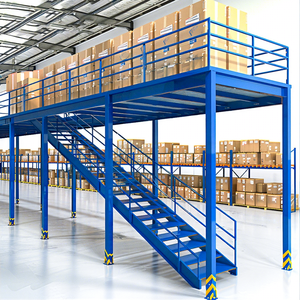
Warehouse Second Floor Terrace Floor Eu Warehouse Wood Pallet Storage Platform Schwerlastregal
Multi-tier platform storage for reserve pallets and slow-moving stock. Useful in Lelydorp where importers need separated storage zones without new construction.
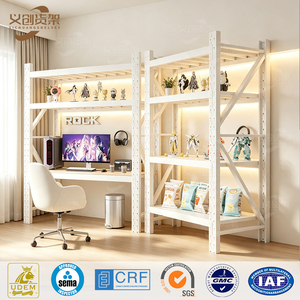
Low Price Racking Adjustable Metal Boltless Shelf and Racks Warehouse Storage Medium Duty Metal Rack Shelf
Adjustable medium-duty shelving for cartons, spare parts and fast-moving wholesale lines. Boltless assembly supports phased fit-out and easy level changes.
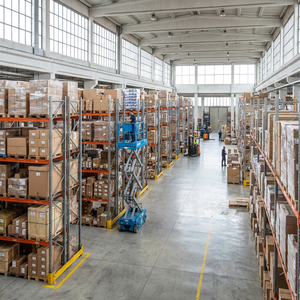
Professional Heavy Duty Pallet Rack Supplier Warehouse Storage System Manufacturer
Selective heavy-duty pallet racking for container-loaded goods, dense SKU ranges and wholesale distribution where direct access to every pallet matters.
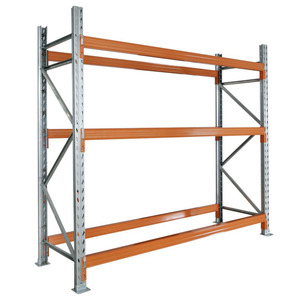
NOVA Full Automatic Warehouse Q235 Steel Boltless Store Heavy Duty Stacking Rack Industrial Storage Pallet Racking System
High-strength Q235 steel and boltless construction for demanding storage. Specify powder coating or galvanized protection for humid Suriname conditions.
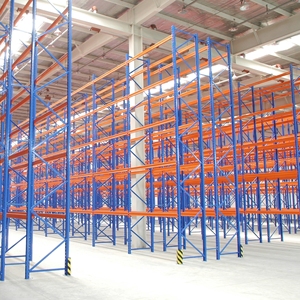
Low Price Custom 2-6 Level High Quality Pallet Racking Warehouse Storage Shelf System Industrial Stack Heavy Duty Pallet Racks
Custom 2–6 level pallet racking for mixed ceiling heights, changing pallet profiles and wholesale operations that plan to expand in stages.
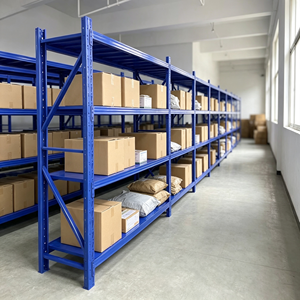
Industrial Storage Shelving Cold Rolled Steel Boltless Rivet Racks Powder Coated Corrosion Protection Warehouse Raf
Powder-coated, corrosion-protected shelving for humid warehouses. A strong fit for Lelydorp storerooms handling hardware, parts and retail cartons.
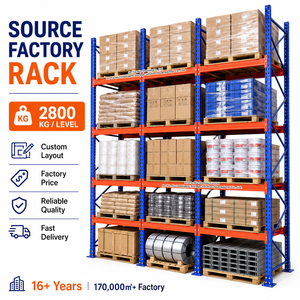
2800KG 5 Levels High Bay Industrial Pallet Racking Heavy Duty Warehouse Rack System
High-bay, heavy-duty racking for importers using vertical space to reduce rent pressure. Requires floor survey, clear-height check and load signage.
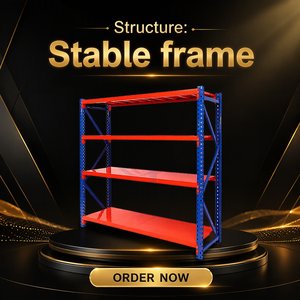
Heavy Duty Steel Selective Pallet Rack 5 Layer Load Capacity 1000kg Industrial Storage Rack
Five-layer selective racking with 1000 kg load capacity per level. A practical wholesale workhorse for fast access, clear labelling and FIFO control.
Why a Warehouse Rack Numbering System Becomes the Operating Backbone in Lelydorp
Lelydorp is more than a residential district on the edge of Paramaribo. Along the Indira Gandhiweg and the wider Wanica corridor, warehouses, wholesalers, food distributors, hardware traders and e-commerce consolidators are handling a growing mix of imported goods. In that environment, steel alone does not create an efficient warehouse. The rack numbering system turns a physical structure into a findable address system.
A practical numbering system usually follows an Aisle–Bay–Level–Position logic. For example, A03-B12-L04-R can mean Aisle 03, Bay 12, Level 04, Right-hand pallet position. That code should match the WMS location, the barcode or QR label on the beam, the pick list, the inspection record and the load sign. When those references align, forklift operators stop searching, pickers stop guessing and inventory accuracy improves.
In Lelydorp’s humid tropical climate, labels must be selected for the reality of the building. Paper labels can curl or fade in condensation-prone stores. Durable PVC or acrylic label holders, powder-coated beam plates, QR codes and clear aisle markers are more reliable. For wholesale operations that receive mixed containers, the numbering plan should be completed before the purchase order is placed, not after installation.
- Separate physical location codes from product SKU codes.
- Use short, stable, human-readable codes for local teams.
- Reserve extra aisle and bay numbers for future expansion.
- Keep WMS, labels, load signs and inspection logs aligned.

Where Numbering-Led Racking Pays Back First in Lelydorp
The same racking system can perform very differently depending on the goods, handling equipment and order profile. These local scenarios help wholesalers and warehouse owners frame the right specification before requesting an export quote.
Wholesale & retail distribution
Mixed cartons, route trucks and van sales demand fast order picking. Clear bay and level numbers help staff build loads without walking the whole warehouse.
Food, beverage & cold chain
Condensation and temperature changes affect labels and steel protection. Corrosion-resistant finishes and durable location plates support chilled, frozen and ambient stores.
Building materials & hardware
Heavy cartons, tools and hardware require robust beams, clear load signage and inspection discipline. Numbering makes damaged-beam reporting faster and more precise.
E-commerce & parcel consolidation
Small SKUs benefit from medium-duty shelving, pick bins and barcode location labels. A simple alphanumeric address system reduces mis-picks during peak campaigns.
Automotive, marine & spare parts
Heavy parts and slow-moving spares need selective access, load signs and traceable locations. Numbering supports periodic inspection and warranty retrieval.
3PL & cross-dock near Paramaribo
Third-party logistics teams need temporary locations, colour-coded zones and easily updated labels. A numbering framework makes onboarding new clients faster.
Procurement Trends Shaping Rack Numbering in Lelydorp and Suriname
Warehouse investment in and around Lelydorp is being shaped less by automation hype and more by practical pressures: import volatility, humidity, rent, labour productivity and the need for addressable storage.
Greater Paramaribo spillover
As land and suitable buildings become tighter around Paramaribo, Lelydorp and Wanica attract support warehousing. Operators are using height, selective racking and clearer location logic to do more with each square metre.
Container-driven import planning
Many Lelydorp buyers receive mixed containers and expand in phases. Modular boltless shelving and custom 2–6 level pallet racking allow a warehouse to grow without discarding the first installation.
Digital inventory adoption
More SMEs are adopting barcode scanners and WMS tools. That shift raises the value of standardised aisle, bay, level and position codes, plus QR labels that link to inspection and stock records.
Humidity and corrosion management
Powder coating, galvanized finishes and planned touch-up routines matter in tropical conditions. Buyers increasingly ask for corrosion-protected shelving and label materials that survive condensation.
Food safety and cold-chain discipline
Retail, food service and export-linked supply chains require cleanable storage, clear separation and traceable locations. Numbering supports batch control, quarantine zones and inspection readiness.
Labour productivity and safety
Wayfinding is a productivity tool. Aisle markers, beam-level plates and load signs reduce search time, lower forklift damage and make near-miss reporting more precise.
Designing a Rack Numbering System That Local Teams Actually Use
The best numbering system is not the most complicated one. It is the one that survives daily use by receiving clerks, forklift drivers, pickers, auditors and maintenance technicians. For Lelydorp wholesalers, a robust system should be simple enough to memorise, detailed enough for a WMS and durable enough for a humid warehouse.
- Zone first: receiving, reserve, picking, quarantine, cold room or returns.
- Aisle second: keep numbers visible at both aisle ends.
- Bay third: number from a fixed reference point, not from memory.
- Level fourth: mark ground level as L01 and work upward.
- Position last: left, right or centre where pallet positions are split.
For wholesale operations that receive seasonal containers, reserve a block of future aisle numbers and keep the location master data under document control. If a rack is relocated, retire the old code instead of reusing it immediately. That discipline protects inventory history and inspection traceability.
Example Location Code
Use one format across labels, pick lists and WMS records. The structure below can be adapted to a Lelydorp warehouse without changing the underlying operational logic.
Pair the code with a QR or barcode label, a beam-level load sign and an inspection tag. Use PVC or acrylic holders in condensation-prone areas.
Why Lelydorp Buyers Shortlist Real Nice Racks LLC
Real Nice Racks LLC designs, supplies and supports industrial storage systems with an export mindset. The focus is not simply selling steel; it is delivering a documented, scalable storage asset that local teams can operate safely.
Exporter and wholesaler mindset
Factory-engineered components, export packing, bill-of-material discipline and container planning help Lelydorp importers, distributors and project owners coordinate procurement with fewer surprises.
P90 platform and product breadth
Selective pallet racking, high-density systems, boltless shelving, mezzanine platforms and semi-automated storage can be discussed within one engineering conversation.
Engineering standards and documentation
Static steel racking is designed in line with EN 15512, with floor tolerance guidance per EN 15620 and inspection principles per EN 15635. Load signage and capacity tables are part of the handover discipline.
Climate-aware corrosion protection
For Suriname humidity, powder-coated cold-rolled steel, galvanized options and corrosion-protected shelving reduce maintenance risk. Drainage, roof condition and ventilation are reviewed alongside the rack specification.
Lifecycle service and inspection culture
Site survey, layout, manufacturing, export packing, installation supervision and after-sales inspection support help protect the investment after handover.
Multilingual technical communication
Technical support is available in English, Spanish and Portuguese. For Lelydorp projects, documentation can be coordinated with local freight forwarders, installers and customs brokers.
From Lelydorp Site Survey to Long-Term Rack Support
A disciplined five-stage process keeps rack numbering, export packing and installation planning aligned from the first drawing to the final inspection record.
Analyse
Review location, floor plan, clear height, pallet profiles, load weights and handling equipment.
Design
Select rack type, levels and numbering logic; prepare layout and capacity comparison.
Manufacture
Produce steel components with quality checks, finish specification and export packing.
Ship
Plan container loading and documentation for shipment toward Paramaribo and Lelydorp.
Support
Coordinate installation guidance, load signage, inspection records and future upgrades.
Warehouse Rack Numbering System Questions from Lelydorp Buyers
These are the practical questions importers, wholesalers and warehouse owners ask when evaluating an exporter or wholesaler for racking and location labels in Lelydorp.
Are you a warehouse rack numbering system exporter and wholesaler serving Lelydorp directly?
Yes. Real Nice Racks LLC works with importers, wholesalers, 3PLs and project owners that need export-packed racking and a workable location-label system. For Lelydorp, the commercial process usually involves a layout review, product selection, export packing, shipment toward Paramaribo and coordination with the buyer’s freight forwarder and customs broker. Send the warehouse location, floor plan and target capacity to start the technical discussion.
Why is a rack numbering system important in a humid Lelydorp warehouse?
Humidity affects both labels and steel. Paper labels can curl, fade or peel in condensation-prone buildings, while unprotected steel may need more frequent inspection. A numbering system gives every pallet position a clear address, so stock checks, picking, damage reporting and inspections can reference the same code. Use durable label holders and pair the location code with load signage and WMS data.
Can the numbering be integrated with our WMS, barcode scanners or QR labels?
Yes. The numbering logic should be decided before labels are printed. A typical format is Aisle–Bay–Level–Position, for example A03-B12-L04-R. That code can be printed as human-readable text, barcode or QR label. The important point is consistency: the same address should appear in the WMS, pick list, beam label, inspection log and any location map used by forklift operators.
What is the minimum order for a Lelydorp wholesale project?
Minimum order depends on the rack type, finishing specification, container-fill efficiency and whether the order is combined with shelving or mezzanine components. Small boltless shelving projects may be consolidated, while full containers usually improve freight economics. The fastest way to clarify the minimum is to send your layout, pallet dimensions, load weights and target timeline for a project-specific review.
Which racking is best for Suriname humidity and heavy rain?
Powder-coated cold-rolled steel shelving and corrosion-protected racking are strong starting points for humid conditions. Also review roof condition, drainage, ventilation and housekeeping, because steel performance depends on the building envelope. For hardware, spare parts and retail cartons, the industrial cold-rolled steel boltless rivet rack shown above is especially relevant. For heavier pallet loads, specify a heavier pallet racking system with appropriate finish and inspection plan.
How are racks shipped to Lelydorp, and who handles installation?
Racking is export-packed with a bill of materials and loading plan, then shipped toward Paramaribo for onward transport to Lelydorp. Installation can be handled by the buyer’s local contractor with our guidance, or coordinated with supervised installation where the project scope requires it. Handover should include load signage, capacity information and inspection documentation.
What information should I include in an inquiry for a rack numbering and export quote?
Include the Lelydorp warehouse location, floor plan or sketch, clear height, pallet length, width and height, load per pallet, number of pallet positions required, forklift or stacker type, SKU profile and preferred numbering format. Also state whether the building is humid, chilled or freezer-controlled, and whether you need barcode or QR labels. A complete brief allows the engineering and export team to propose the right rack type, numbering logic and shipping plan.
Request a Lelydorp-Specific Rack Numbering and Export Quote
Share your floor plan, pallet weights, clear height and preferred numbering format. The engineering and export team can then recommend a practical storage system, location-label structure and shipping plan for your Lelydorp warehouse project.