8 Roller-Ready Rack & Storage Products for Chilean Warehouses
Start with the structural rack, then integrate roller rails, pallet-flow lanes or carton-flow accessories after the load case, pallet condition, temperature and seismic requirements are confirmed. Each product URL below is preserved.
What Chilean Buyers Actually Need from a Warehouse Roller Rack Manufacturer
Chile is not a market where a generic roller rack quotation survives technical review. The country’s warehouses sit in one of the world’s most active seismic regions; its export cold stores run tight temperature and energy budgets; and its 3PLs must handle imported pallets, retail cartons, mining components and export produce in the same building portfolio. For a procurement team, the real search intent behind “warehouse roller racks manufacturer” is not simply a price per bay. It is a factory partner who can demonstrate beam capacity at the actual load, roller-lane behaviour, anchor design, documentation and after-sales support.
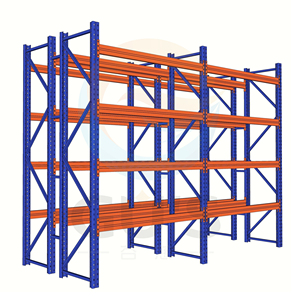
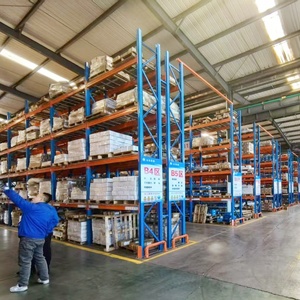
Roller racking, also called live storage, pallet flow or carton flow racking, uses gravity rollers or conveyor rails to move loads. It is often paired with heavy-duty selective racking, cantilever sections or telescopic pull-out units. The eight products above are the structural building blocks we manufacture for those layouts. A useful specification should show capacity at the real beam spacing, not only a headline load; it should state whether rollers are galvanised, whether brakes are needed on sloping lanes, and how pallet quality affects flow. For Chile, it should also show base plates, anchors, bracing and how local structural review will be handled under NCh 433 and NCh 2369.
- Factory-direct frames, beams, cantilever arms and accessories for roller-rack integration
- Load signage, capacity tables and handover documentation for procurement and insurance review
- Layouts engineered around pallet profiles, forklift type, clear height and seismic zone
- Scalable from manual selective racking to mobile, high-density and semi-automated storage

Roller rack structures must be designed as industrial racking first: frame capacity, beam deflection, bracing, anchors and load signage cannot be treated as accessories.
Where Roller Racks and Heavy-Duty Racking Fit in Chile
Chile’s geography creates distinct storage requirements. A rack layout for a fruit cold store near San Antonio is not the same as a mining spare-parts store in Antofagasta or a 3PL hub in Santiago.
Fruit & Berry Export Cold Stores
Cherry, grape, blueberry and avocado exporters around San Antonio and Valparaíso need fast FIFO rotation and clear batch visibility. Roller lanes can reduce double handling, but the rack must remain stable under pallet impact, condensation and forklift movement. We coordinate frame bracing, freezer-compatible detailing and load signage for cold-store operations where every metre of refrigerated air has a cost.
Salmon, Seafood & Protein Cold Chain
In Puerto Montt and Chiloé, chilled and frozen seafood facilities need moisture-aware detailing, reliable access for inspection and disciplined FIFO. Mobile or high-density pallet systems can reduce refrigerated aisle volume, while heavy-duty selective racking keeps reserve stock accessible. The design brief should include wash-down routine, humidity exposure and whether pallets are frozen to the deck.
Mining Spares & Long Goods
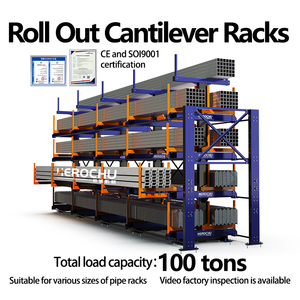
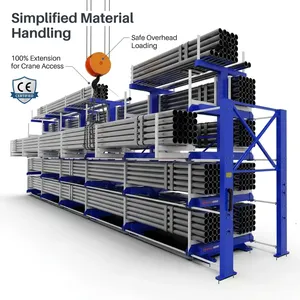
Antofagasta, Calama and Iquique operations store tyres, pipes, crusher parts and long components. Double-sided cantilever racking and telescopic cantilever units provide clear access for cranes and side-loaders, with capacities such as 8T per cantilever layer. The real information gap is usually lifting method, pipe bundle length and base-plate anchoring, not just rack height.
Retail, E-Commerce & 3PL Hubs
Santiago’s 3PL and e-commerce hubs face high SKU counts, rapid replenishment and rising land costs. Selective pallet racking, mezzanine floors and carton-flow add-ons allow mixed operations to scale without relocating. A roller-rack design should separate fast-moving SKUs from reserve pallets and show how forklifts, reach trucks or AGVs will enter and leave the aisle.
Wine, Food Processing & Agroindustry
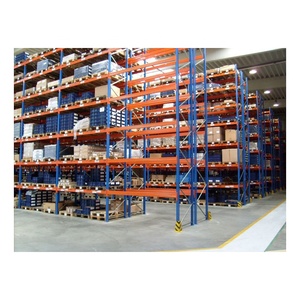
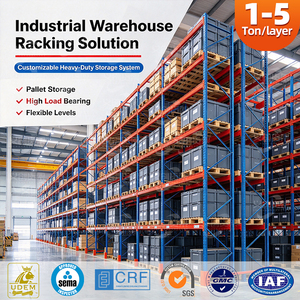
Wineries, food processors and agrochemical distributors in O’Higgins and Maule need reliable FIFO rotation, clean storage and clear batch identification. Standard heavy-duty selective racking with 800–3000 kg or 1000–4500 kg per level is often the backbone. Roller conveyors can be added only where carton weights, pallet condition and slope are controlled.
Port-Linked Distribution & Cross-Docking
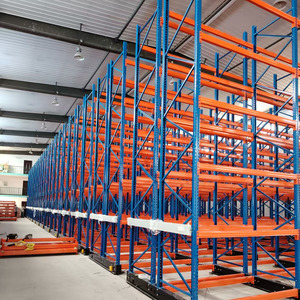
San Antonio and Valparaíso face seasonal peaks, import-export imbalance and tight truck scheduling. A factory-direct racking plan should be prepared for future shuttle, mobile or narrow-aisle upgrades. That means standardising frame pitches, beam levels and accessories now, so the layout can expand without replacing the whole installation.
Local Trends That Change Roller Rack Specifications
These five issues have a direct impact on layout, steel selection, documentation and project risk.
Documentation as a Filter
NCh 433 and NCh 2369 references are becoming a normal procurement filter. Chilean facilities increasingly ask for anchor calculations, base-plate details and bracing verification before awarding a racking contract. A factory cannot simply issue a generic seismic note; the site’s zone and soil conditions must be considered by a licensed local engineer when required.
Energy per Pallet
Cold-chain operators measure cost per pallet, not cost per bay. Mobile racking and high-density layouts reduce the number of permanently open aisles, lowering the volume of air that must be refrigerated. That logic is especially relevant for fruit, salmon and meat export facilities where energy is a permanent operating expense.
Retrofit Before Build
Industrial land in and around Santiago is costly and permissions are slow. Retrofit solutions, mezzanine floors and P90-style high-density racking can unlock up to 20% more storage capacity on the same footprint, avoiding new construction. Buyers should compare total cost per usable pallet, not just steel price.
Manual Today, Automated Later
Chilean warehouses are preparing for semi-automated storage, AGVs and goods-to-person picking even when the first phase remains manual. A rack layout that keeps frame straightness, beam adjustability and aisle dimensions consistent is easier to automate later. This is a point low-cost suppliers often miss.
Port-to-Site Sequencing
Port variation, vessel schedules and inland transport can affect installation sequencing. Export packing, clear packing lists, phased deliveries and supervised installation reduce the risk of missing components on site. Buyers should request a shipping schedule aligned to San Antonio or Valparaíso and a defined handover checklist.
How to Specify Roller Racks for Chile Without Costly Rework
Before comparing price, compare the load case. A roller rack quotation should state the pallet load over the actual beam span, the height of the first beam level, the clear entry height, roller pitch, brake type and whether the pallet bottom is sound. For cantilever, the usable arm length and lifting method matter as much as the headline capacity. For cold stores, fixation and condensation control must be reviewed together.
- Flow definition: FIFO for date-sensitive exports, LIFO or push-back for reserve stock
- Pallet quality: broken boards, stretch film and frozen bases can stop gravity flow
- Seismic verification: base plates, anchors and bracing coordinated to NCh 433 and NCh 2369
- Load proof: 800–3000 kg/level, 1000–4500 kg/level or 8T cantilever layers matched to actual load
- Access: forklift, reach truck, crane, side-loader or AGV clear operating tolerances
- Documentation: EN 15512, FEM 10.2.08 / EN 16681, load signage and inspection records

High-density layouts can improve capacity, but roller access, forklift clearance and load signage must be reviewed before the building is modified.
| Storage Product | Best Chile Use Case | Load / Access Notes | Roller Rack Relevance |
|---|---|---|---|
| Heavy-duty selective pallet racking | 3PL hubs, retail DCs, food processors and mixed pallet storage | 800–3000 kg/level and 1000–4500 kg/level options; high selectivity | Good base structure for pallet-flow or carton-flow add-ons |
| Double-sided cantilever racking | Mining pipes, steel profiles, timber and long goods in Antofagasta or Calama | Up to 8T per layer in selected configurations; crane or side-loader access | Not a roller-flow system, but supports long-goods storage integration |
| Telescopic cantilever racking | Pipe and tube stores where crane entry is restricted | Manual crank or telescopic extension; CE-certified options | Useful where 100% extension improves product access and safety |
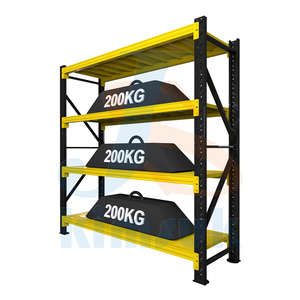
| Custom adjustable selective racking | Changing SKU profiles, e-commerce and seasonal inventory | Custom bay widths, beam levels and accessories | Can be configured for future roller-rail retrofit |
| Cold-store and high-density systems | Fruit, salmon, meat and dairy export cold chains | Chilled and freezer options down to around -30°C; mobile racking available | Reduces refrigerated aisle volume and energy loss |
Why Chilean Procurement Teams Shortlist Real Nice Racks LLC
We combine factory production with warehouse engineering, project documentation and lifecycle support for South American warehouses.
Engineering from Real Data
Every layout starts with pallet profiles, SKU velocity, forklift types, clear height and seismic zone. Structural calculations and load signage are delivered with each project.
Seismic & Standards Documentation
Designs reference EN 15512, FEM 10.2.08 / EN 16681 and Chilean local requirements such as NCh 433 and NCh 2369. Final calculations can be coordinated with a licensed local engineer.
Cold-Chain & High-Density Capability
Freezer-ready systems down to around -30°C, MOVO mobile racking, P90 high-density layouts and retrofit solutions that can unlock up to 20% more capacity.
Lifecycle Support Across Chile
Export packing, shipment to Chilean ports, supervised installation, inspection, damage repair and capacity upgrades, with support in English, Spanish and Portuguese.
Factory Discipline, Local Accountability
Real Nice Racks LLC supports multinational brands and fast-growing regional companies from the first site survey to installation, inspection and ongoing service. We do not treat roller racking as a commodity: the structure, roller interface, safety signage and handover file must work together. That is how a project avoids the common failure mode — a low-cost rack that cannot be approved, inspected or expanded.
Our product scope includes adjustable selective and heavy-duty pallet racking, cantilever and telescopic pull-out units, mezzanine floors, semi-automated storage and mobile racking. For Chilean retrofits, we compare re-layout options against new construction so buyers can see the real cost per usable pallet position. For new-build projects, we help standardise bay widths, beam pitches and accessories for future automation.
Technical support is available in English, Spanish and Portuguese. Project teams can share floor plans, pallet data, clear height, handling equipment, target temperature and seismic-zone information for a layout review.

Supervised installation and documented handover help Chilean buyers align engineering, safety and procurement requirements.
From Site Survey to Long-Term Support
A clear five-stage process keeps budgets predictable and timelines realistic, even for cold-store and seismic-sensitive projects.
Analyse
Site survey, SKU and throughput data, floor review and seismic assessment.
Design
Layout options, roller integration, structural calculations and capacity comparison.
Manufacture
Quality-controlled steel production, accessories and export packing.
Deliver & Install
Shipment to San Antonio, Valparaíso or another Chilean port, then supervised installation.
Support
Rack inspection, repairs, load signage updates and capacity upgrades.
Questions Procurement Teams Ask Before Ordering Roller Racks
Are warehouse roller racks the same as pallet flow racking?
Roller racking is a broad term. In a warehouse, it usually refers to gravity roller lanes added to pallet-flow or carton-flow racking. The pallets or cartons move by gravity over rollers; the structural rack still needs engineering design, beam capacity checks and load signage. For Chile, roller pitch and brakes should be selected for the actual pallet condition, temperature and slope.
Can roller racks be designed for Chile’s seismic zones?
Yes, but seismic design must be project-specific. We reference FEM 10.2.08 and EN 16681 and coordinate with Chilean requirements such as NCh 433 and NCh 2369. Base plates, anchors, bracing and beam connectors are selected for the site’s seismic zone and soil conditions. Final calculations can be reviewed by a locally licensed structural engineer when the project requires it.
What load capacities and steel grades can the factory supply?
The product range includes selective pallet racking at roughly 800–3000 kg per level and 1000–4500 kg per level, heavy-duty industrial pallet systems, and cantilever racking with capacities such as 8T per layer. Q235B steel is used in several heavy-duty models. For roller-rack projects, capacity must be recalculated for the actual beam span, roller rails, load eccentricity and pallet type.
Do roller racks work in freezer and cold-store warehouses?
Yes. Cold storage pallet racking, mobile racking and high-density systems can be specified for chilled and frozen environments down to around -30°C, subject to project detailing. Fruit, seafood, meat and dairy exporters should share temperature range, wash-down routine, humidity and whether pallets are frozen to the deck. MOVO mobile racking can be especially useful because it reduces refrigerated aisle volume and energy loss.
How are projects shipped to Chile and supported after installation?
Projects typically follow site survey and data collection, layout and structural design, manufacturing, export packing, shipment to a Chilean port such as San Antonio or Valparaíso, supervised installation, and handover with load signage and inspection documentation. After-sales support includes periodic rack inspection, damage repair, capacity upgrades and spare-part planning. Our team supports English, Spanish and Portuguese communication.
What should Chilean buyers include in an RFQ?
Send warehouse location, floor plan or CAD, clear height, pallet dimensions and load, SKU velocity, required throughput, FIFO or LIFO flow, forklift or crane type, target temperature, seismic zone and any local code requirements. Photos of the existing rack or building columns are useful. With that information, the factory and engineering team can propose a layout, roller configuration, load capacity and indicative budget.
Request a Factory-Direct Roller Rack Layout for Your Chile Warehouse
Send your warehouse location, clear height, pallet size and weight, required throughput, FIFO/LIFO flow, forklift or crane type, target temperature and seismic-zone information. Our team will review the layout concept, load requirements and documentation path before quotation.
Inquire Now