OEM/ODM Pallet Storage System Manufacturer & Supplier
Custom pallet racking, high-density storage, mobile racking and cold-chain systems engineered for measurable capacity, documented safety and long-term lifecycle value.
Get a QuoteCustom Pallet Storage Systems Engineered Around the Way Your Warehouse Actually Works
Pallet storage is a capital asset, not a commodity purchase. The purchase price of racking is only one line in the lifecycle cost. Clear height, bay spacing, forklift type, floor tolerance, fire strategy, seismic demand and SKU velocity often decide whether a system delivers capacity or creates hidden bottlenecks. For OEM/ODM buyers, the objective is not simply to buy steel; it is to procure a verified storage configuration that can be installed, inspected, expanded and handed over with documentation that satisfies owners, insurers and local authorities. Real Nice Racks LLC works with distributors, system integrators and end users to turn a warehouse brief into a buildable, documented pallet storage system.
OEM: Manufacture to Your Specification
For OEM programmes, production can be aligned with approved drawings, load ratings, finish requirements, component marking, packaging and documentation packages. The result is a storage system that supports your brand, your integrator scope or your EPC delivery model without creating a second engineering process.
ODM: Start With a Proven Platform
ODM buyers can begin with established P90 pallet racking, push-back, shuttle, mobile racking, galvanized heavy-duty and shelving platforms, then adapt dimensions, accessories, finishes and documentation to a target market. This shortens specification time while retaining the engineering logic behind the product.
Evidence for Procurement and Handover
Serious procurement teams ask for more than a drawing. They need capacity tables, load signage, installation sequence, inspection checklists and seismic or local-code coordination where required. Supplying that evidence with the system is how an OEM/ODM manufacturer becomes a reliable long-term supplier.
Eight Pallet Storage Systems Buyers Ask Us to Engineer First
The systems below are not interchangeable. Their value depends on the load, selectivity target, handling equipment, building height, climate and future growth plan. Use the product links to review the specification family, and use the quote button when you need a layout recommendation against your actual warehouse data.
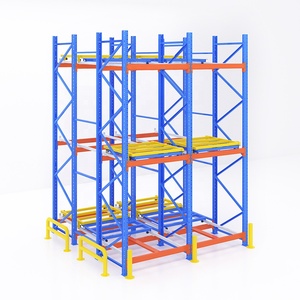
Pallet Live Rack Push Back Pallet Rack
A compact medium-density system for mixed SKU storage where more pallet positions are needed without sacrificing reasonable access to fast-moving cartons and pallets.
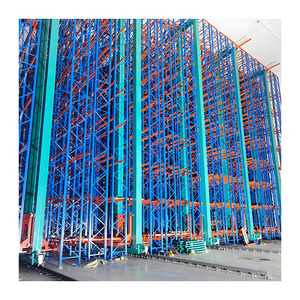
High-Density Pallet Shuttle Racking System Automatic Steel Storage Frame 3000kg Load Capacity Heavy Duty Warehouse
Deep-lane pallet storage for low-SKU, high-volume operations where every square metre of building volume must carry productive inventory.
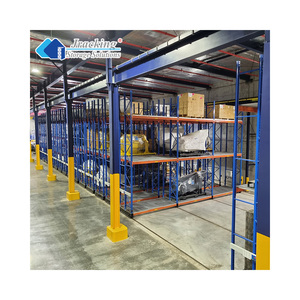
Jracking Flexible Electric Mobile Rack System Automated Pallet Warehouse
Racking runs move on rails to open one working aisle on demand, making it a strong option for cold stores, land-constrained DCs and high-value inventory.
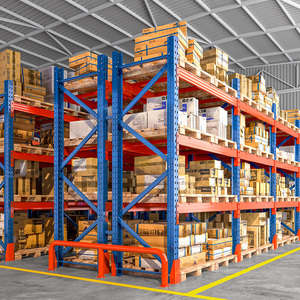
Heavy Duty Industrial Steel Storage Shelves 5 Layer Adjustable Rack System with Galvanized Surface for Warehouse Pallet Racking
Adjustable heavy-duty storage with galvanized protection for environments where humidity, washdown or long service life make standard finishes less suitable.
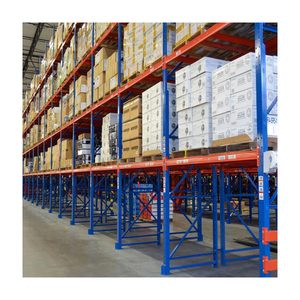
Wholesale Price Heavy Duty Storage Racks Warehouse Stacking Racks Selective Steel Pallet Rack Heavy-Duty Racking for Sale
A selective steel pallet rack configuration for mixed-SKU operations that need direct access to every pallet and a practical path to future reconfiguration.
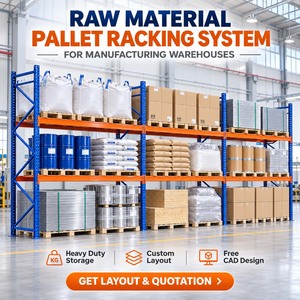
Pallet Racking System for Manufacturing Raw Material Warehouses
Rugged pallet racking for inbound materials, work-in-progress buffers and production support stores where uptime and safe access matter every shift.
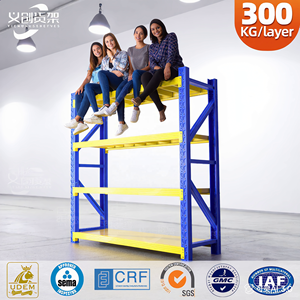
Manufacturer Directly Warehouse Light Middle Storage Industrial Racks for Warehouse Racking Plate Shelving Shelves Unit
Light and middle-duty shelving for small parts, spare components, e-commerce picks and archives where hand-loaded access is more important than pallet density.
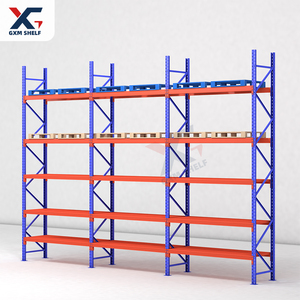
Heavy Duty Pallet Racking Warehouse Pallet System Pallet Storage Rack Heavy Duty Rack Shelf Heavy Duty Racking System
A heavy-duty storage system for high through-put warehouses, taller clear heights and pallet loads that demand a robust, inspectable rack structure.
Product Recommendations: Match Pallet Storage to the Load, Flow and Building
A useful information gain for buyers is to compare systems by how they behave over time—not by headline price per bay. The right recommendation protects selectivity, safety and reconfiguration options while still meeting the capacity target.
Selective and Push-Back for Mixed-SKU Distribution
Choose selective racking where every pallet must remain accessible and SKU velocity is unpredictable. Add push-back configurations where medium density and fast access can coexist profitably, especially for retail, 3PL and spare-parts distribution.
Pallet Shuttle for Low-SKU, High-Volume Inventory
Use shuttle racking when the SKU count is controlled and the cost of aisle space is high. Beverage, cold-chain, FMCG and manufacturing buffers benefit when deep lanes replace multiple working aisles without losing inventory discipline.
Mobile Racking for Cold Stores and Land-Constrained Sites
Mobile pallet racking is compelling where every square metre of refrigerated or urban space is expensive. Reducing the number of open aisles can lower refrigerated air volume while retaining direct access to the selected rack face.
Galvanized Heavy Duty for Difficult Environments
Specify galvanized or enhanced-protection racking where humidity, washdown, coastal air or long service intervals can compromise a standard painted finish. Heavy-duty adjustability keeps the system usable as loads and product lines change.
Raw Material Stores and Manufacturing Buffers
Manufacturing warehouses need racking that protects inbound materials, allows safe forklift movement and supports production replenishment. The system must be robust enough for daily use and simple enough to inspect without disrupting operations.
Shelving and Multi-Tier Systems for Small Parts
Hand-loaded shelving, pick modules and multi-tier systems often release more value than pallet racking alone. They improve pick-face access, organise slow-moving parts and free high-bay space for palletised inventory.
Procurement Trends Reshaping Pallet Storage System Buying
Buyers are changing how they compare pallet storage systems. The strongest tenders now ask for a capacity case, a safety case and a lifecycle case—not only a price schedule. These are the procurement signals our engineering team sees in projects across South America and export markets.
Total Cost of Ownership Is Replacing Lowest Unit Price
Procurement teams now compare steel weight, installation time, inspection access, reconfiguration potential and spare-part availability. A low initial quote that creates aisle congestion or limits future growth is no longer treated as the lowest-cost option.
Density-First Planning Before Building Expansion
Urban land and construction costs continue to push buyers toward higher-density configurations inside existing buildings. High-density pallet racking can transform a constrained warehouse before a new facility is justified.
Documented Seismic and Local-Code Compliance
In Chile, Peru, Ecuador, Colombia and other seismic markets, buyers increasingly expect base plates, anchors and bracing to be coordinated with local requirements and reviewed by locally licensed engineers where required.
Cold-Chain Energy as a Design Input
Freezer and chilled warehouses now treat rack layout as an energy decision. Fewer open aisles, mobile racking and disciplined lane design reduce the air volume that must be refrigerated and support more stable temperatures.
Automation-Ready Rather Than Automation-First
Buyers want a storage platform that can grow from manual picking to shuttle or semi-automated support without discarding the first investment. Modular P90 platforms and clear interface planning reduce future conversion risk.
Bilingual Technical Handover and Lifecycle Procurement
Procurement is increasingly structured around long-term support: drawings, load signage, inspection records, maintenance access and communication in English, Spanish and Portuguese. That reduces friction between global brands and regional operations.
Product Development Trends: What the Next Generation of Pallet Storage Includes
The next competitive advantage in pallet storage will not come from adding more steel. It will come from better engineering decisions: smarter layouts, stronger local-code alignment, lower energy intensity and systems that remain safe and adaptable over decades.
Digital Layout Engineering and Load Verification
More projects now begin with measured data: clear height, floor tolerance, pallet profile, load per pallet, truck turning radius and SKU velocity. Digital layout options allow buyers to compare density, selectivity and handling time before committing capital.
Higher-Strength Steel and Lower Material Intensity
Improved section design and precise manufacturing allow storage systems to meet load requirements with less unnecessary material. The benefit is not only cost efficiency; it also supports lower embodied carbon and cleaner installation logistics.
Seismic-Ready Detailing at the Connection Level
Seismic performance depends on base plates, anchors, bracing, beam connectors and installation tolerance. Buyers are moving away from generic statements and toward project-specific details that can be checked against local seismic codes and site conditions.
Cold-Chain Layouts That Reduce Refrigerated Volume
In freezer warehouses, every unnecessary aisle is a refrigerated air volume that must be cooled and maintained. Mobile racking, compact lane patterns and carefully selected materials support lower energy use and more pallet positions inside the same envelope.
Interfaces for Future Shuttle and Automation Upgrades
The best systems today leave room for tomorrow. That may mean beam levels designed for future reconfiguration, clear data about existing capacities, or a rack layout that can accept semi-automated handling without a complete rebuild.
Maintenance, Inspection and Safety by Design
Safe racking must be inspectable in everyday operation. Designers are paying more attention to load signage, beam locking, upright protection, access for inspection and clear damage-reporting routes, because safety is a lifecycle process rather than a one-time claim.
How Capacity, Safety and Fit Are Proven Before Steel Is Ordered
High-density storage is not created by squeezing more pallets into a drawing. It is created by proving that the proposed layout can be handled safely, inspected effectively and expanded economically. In a documented retail distribution project, a high-density P90 approach unlocked significant extra capacity inside an existing warehouse while maintaining safe forklift operations. The same discipline applies to warehouses in São Paulo, Santiago, Lima, Bogotá or Buenos Aires, where industrial land is expensive and downtime is costly.
A credible pallet storage proposal should explain the relationship between rack geometry, forklift type, aisle width, floor tolerance and load signage. It should also identify which standards guide the design and which local codes or seismic requirements must be coordinated. That is the difference between a product quotation and a procurement-grade storage specification.
- Up to 20% more storage capacity versus conventional layouts on the same footprint, subject to building and handling conditions.
- Drive-in, push-back, shuttle and mobile options for FIFO or LIFO flows, each compared by selectivity and throughput.
- Scalable to a high-bay or semi-automated warehouse without discarding the first engineering investment.
- Load signs, capacity tables and inspection documentation supplied to support safe operation from handover.

Where Dense Design Pays Back Twice: Energy and Pallet Positions
Cold storage is a good example of why pallet storage procurement should be treated as an engineering decision. A refrigerated warehouse pays to cool the air in every open aisle, not just the pallets. Mobile racking runs move laterally on rails and open only the aisle needed by the forklift or automated handling equipment. The result can be a higher pallet count inside the same insulated envelope, with less refrigerated volume to manage.
For exporters handling fruit, seafood, meat and dairy in Chile, Peru, Ecuador, Argentina and Brazil, the system must also be specified for the operating temperature and the realities of wet, cold or washdown environments. That affects finish selection, materials, sensor placement and maintenance access. A cold-store layout that ignores these details may look efficient on a drawing but become difficult to operate safely.
- Mobile racking supports high-density storage while keeping pallet accessibility through a selected working aisle.
- Chilled and freezer configurations can be specified for environments down to approximately -30°C, depending on project requirements.
- Fewer aisles can reduce refrigerated air volume and support more stable temperature control.
- Layout, finish and inspection planning should be reviewed together—not purchased as separate line items.

Why OEM/ODM Buyers Choose Real Nice Racks LLC
Real Nice Racks LLC designs, supplies and supports industrial storage systems for warehouses and distribution centres across South America. The advantage is not a single product; it is a combination of engineering discipline, export experience, documentation and lifecycle support.
Engineering-Led, Not Catalogue-Only Supply
Every layout should start with the real warehouse data: clear height, pallet dimensions, load per pallet, forklift type, SKU velocity, floor conditions and local seismic zone. This is how a supplier avoids selling a generic rack when a different configuration would create more long-term value.
Standards and Documentation Built Into the Scope
Static steel racking can be designed in line with EN 15512, with floor tolerances per EN 15620 and inspection guidance per EN 15635. Seismic design can reference FEM 10.2.08 and EN 16681, with coordination to local requirements such as NCh 433, E.030, NEC-SE-DS, NSR-10 or ABNT NBR 15524 where relevant.
South America Delivery and Port Experience
Project delivery can be planned around major ports and logistics routes serving Brazil, Chile, Peru, Colombia, Argentina, Ecuador, Uruguay and Paraguay. Export packing, shipment coordination and supervised installation planning reduce the gap between a factory order and a working warehouse system.
OEM/ODM Flexibility Without Losing Accountability
Distributors and integrators need a manufacturing partner that can adapt to drawings, branding, packaging and documentation requirements while still taking responsibility for the engineering basis. That balance is central to a reliable OEM/ODM relationship.
One Partner Across Racking, Shelving and Semi-Automation
Pallet racking, industrial shelving, cantilever, pull-out units, mezzanines and semi-automated storage can be reviewed as one storage strategy. This reduces interface risk between suppliers and helps the final installation work as a coordinated system rather than a collection of parts.
Lifecycle Support in English, Spanish and Portuguese
Technical support after handover matters as much as the initial drawing. Periodic inspection, damage repair, capacity upgrades and clear communication in three languages help regional teams keep the system safe and productive over the life of the warehouse.
OEM/ODM Delivery Process: From Site Survey to Supervised Installation
A clear project path keeps budgets predictable, technical decisions visible and installation timelines realistic. The process below can be adapted for a single warehouse, a multi-site rollout or an OEM programme supplied through an integrator.
Analyse
Survey the site, review SKU data, pallet profiles, floor conditions and seismic zone.
Design
Compare layout options, structural calculations, capacity, selectivity and handling flow.
Manufacture
Produce to approved drawings with quality control and export-ready packing.
Deliver & Install
Ship to the nearest port and plan supervised installation, load signage and handover.
Support
Provide inspection guidance, repairs, training, spare parts and future capacity upgrades.
Common Questions About OEM/ODM Pallet Storage Systems
These are the questions procurement, engineering and operations teams ask most often when evaluating a pallet storage system manufacturer and supplier. Final answers for a specific project depend on the building, load, handling equipment and local code requirements.
What does OEM/ODM mean for pallet storage systems?
OEM means the manufacturer produces racking to the buyer's approved design, specification or programme requirements, often under the buyer's brand or within an integrator's project scope. ODM means the buyer starts with a proven manufacturer platform and adapts dimensions, capacities, finishes, accessories or documentation for a target market. In both cases, the engineering basis, load ratings, installation requirements and handover documents must be clear before production begins.
Can you manufacture to our drawings or design a custom system for our brand?
Yes, subject to engineering review. OEM programmes can work from approved drawings, load requirements and finish specifications. ODM programmes can begin with platforms such as selective pallet racking, push-back, shuttle, mobile racking, galvanized heavy-duty racking or shelving and adapt them to the target application. Before manufacturing, the design should be checked for structural integrity, installation tolerance, local code alignment and safe interface with the handling equipment.
Which standards and technical documents are normally supplied?
Static steel racking is commonly designed with reference to EN 15512, with floor tolerances per EN 15620 and operation and inspection guidance per EN 15635. Seismic design can reference FEM 10.2.08 and EN 16681, with local code coordination where required. Depending on the project scope, documentation can include layout drawings, capacity tables, load signage, installation instructions and inspection records. The final document list should be agreed before order confirmation.
How is seismic design handled in Chile, Peru, Ecuador and Colombia?
Seismic design is project-specific. Base plates, anchors, bracing and beam connectors must be selected for the site's seismic zone, soil conditions and rack geometry. Our approach is to calculate with reference to recognised racking methods such as FEM 10.2.08 and EN 16681, then coordinate with local requirements such as NCh 433 and NCh 2369 in Chile, E.030 in Peru, NEC-SE-DS in Ecuador and NSR-10 in Colombia. Where required, final calculations should be reviewed by a locally licensed structural engineer.
Do you supply pallet racking for cold storage and freezer warehouses?
Yes. Cold storage pallet racking, mobile racking and high-density systems can be specified for chilled and frozen environments down to approximately -30°C, depending on the project. Fruit, seafood, meat and dairy export hubs often benefit from mobile racking because it reduces the volume of refrigerated air that must be cooled. Materials, finishes, access routes and inspection planning should all be reviewed for the operating temperature.
What information is needed for an accurate pallet storage quotation?
Provide the warehouse location, floor plan, clear height, floor condition, pallet dimensions, load per pallet, SKU profile, throughput target and forklift or handling equipment. It also helps to know whether the project is new-build or retrofit, whether cold or seismic conditions apply, and what documentation the buyer's insurer or local authority expects. With this information, a supplier can compare selective, high-density, mobile and shelving options on a like-for-like basis.
How are projects shipped and installed across South America?
Projects are typically planned through a defined lifecycle: site survey, layout and structural design, manufacturing, export packing, shipment to the nearest port, supervised installation and handover with signage and inspection documentation. Typical delivery ports can include Santos, Callao, San Antonio, Buenos Aires, Cartagena, Guayaquil and Montevideo. The exact route, packing method and installation scope are confirmed against the project schedule and site conditions.
What about lead time, MOQ and after-sales support?
Lead time and minimum order quantity depend on the system type, steel and finish specification, documentation scope, shipping route and production schedule. The reliable approach is to confirm them after layout and specification review, not before. After-sales support can include periodic rack inspection, damage repair, replacement components, training and capacity upgrades. A long-term supplier should make those services visible from the beginning rather than treating them as an afterthought.
Request a Specification Review and Quote
Send us your warehouse location, floor plan, clear height, pallet size, load per pallet, forklift type and target capacity. Our team can compare selective, high-density, shuttle, mobile, heavy-duty and shelving options, then provide a documented recommendation for your project. For OEM/ODM programmes, include your drawing requirements, branding scope and documentation expectations.
Get a QuoteTechnical enquiries can also be sent to [email protected]. Please include drawings or photos where available.