Eight Pallet Storage Products for Fortaleza Buyers
For a real pallet flow project, the product is only one part of the answer. Load weight, pallet condition, roller pitch, lane depth, brake settings, temperature and forklift access must be verified before a factory quotation is finalised. The product links below preserve the original product URLs for direct technical review.
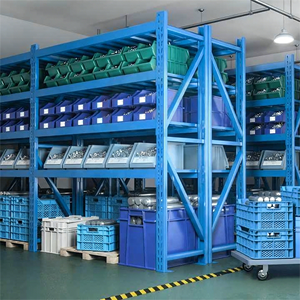
High Quality Durable Corrosion Protected Boltless Adjustable Warehouse Light Duty Industrial Metal Shelving Metal Storage Racks
Boltless adjustable shelving for spare parts, cartons and fast-moving small items, with corrosion protection suited to humid Northeast Brazil warehouses.
View product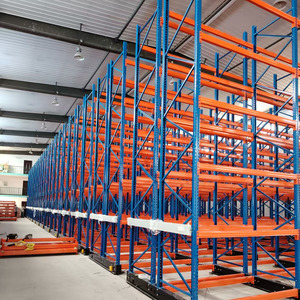
Durable Steel Storage Rack Steel Pallet Racking Heavy Duty Selective Pallet Racking System for Logistics Solutions
Selective pallet racking gives direct access to every pallet and remains the best base layout for high SKU variety and mixed throughput.
View product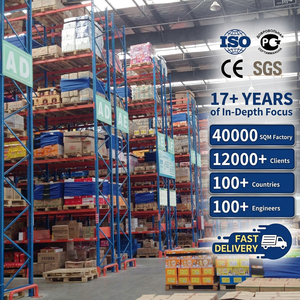
SDFD Heavy Duty Pallet Racking System Steel Durable Adjustable Box Beam Multi-layer Selective Pallet Rack for Warehouse Storage
Multi-layer box-beam selective racking for logistics centres requiring flexible beam levels, high load capacity and future reconfiguration.
View product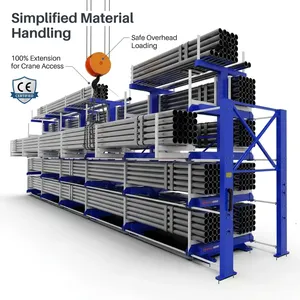
Double Sided Telescopic Cantilever Rack Manual Crank 100% Extension Steel Tube Pipe Storage Crane Access CE Certified
Long-goods storage for pipes, profiles and steel tubes, with telescopic extension and crane access for heavy industrial materials.
View product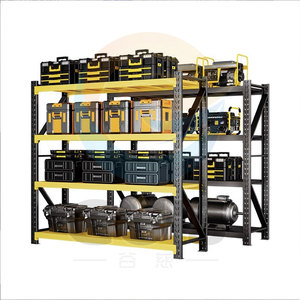
Heavy-Duty Boltless Shelving Racking System for Industrial & Home Use 5 Layer Steel Warehouse Storage Rack Shelf Original Black
Five-layer boltless shelving for hand-loaded stockrooms, maintenance stores and light industrial storage where quick installation matters.
View product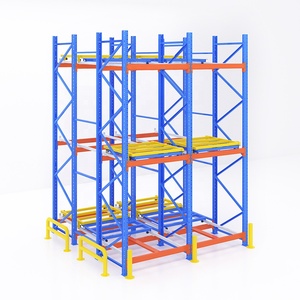
Pallet Live Rack Push Back Pallet Rack
Gravity-flow and push-back storage options for higher-density pallet handling, FIFO or LIFO flows and reduced aisle demand.
View product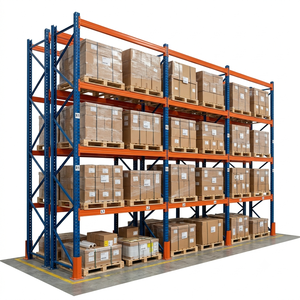
Heavy Duty Pallet Rack Industrial Warehouse Shelving Adjustable Steel Storage Rack System for Logistics Center
Adjustable heavy-duty pallet racking for logistics centres, distribution warehouses and high-turnover storage operations.
View product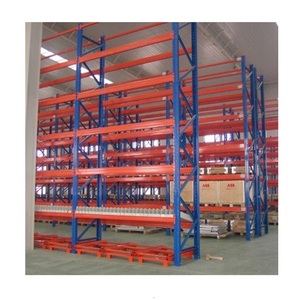
Industrial Heavy Duty Rack Factory Price Steel Pallet Racking Storage Systems From Warehouse Pallet Rack Manufacturer
Industrial pallet racking for project-based procurement, export packing and configuration to warehouse layout, load and handling equipment.
View productFortaleza Export Support
Export packing, documentation and shipment coordination for Pecém, Mucuripe and regional logistics hubs.
FIFO Pallet Flow
Lane design, roller pitch, brake rollers and separation devices engineered around real pallet data.
Cold-Chain Ready
Systems for chilled and freezer warehouses, with options specified down to approximately -30°C.
Documented Safety
Load signage, capacity tables, installation records and inspection guidance supplied with the project.
Pallet Flow Racking for Fortaleza: A High-Density FIFO Solution for a Port-Led Economy
Fortaleza is no longer only a regional consumer market. As the capital of Ceará, it connects metropolitan distribution in Maracanaú, Eusébio, Horizonte and Caucaia with the port and industrial complex at Pecém, the coastal logistics area around Mucuripe and the wider Northeast Brazil corridor.
For importers, food processors, cold-chain exporters, 3PL operators and e-commerce fulfilment teams, the problem is no longer simply “how many pallets can we store?” It is how quickly a pallet can be received, rotated, picked, staged and loaded without creating damage, double handling or expired stock. Pallet flow racking — also called pallet live storage — addresses this by using gravity rollers to move pallets from the loading end to the picking face in a first-in, first-out sequence.
Unlike selective racking, which preserves direct access to every pallet but consumes more aisle space, pallet flow compresses storage into dedicated lanes. A forklift loads pallets from the rear; the pallets advance automatically toward the front; a speed controller and brake roller prevent uncontrolled movement; and separation devices keep loads apart. The result is disciplined FIFO rotation with fewer forklift trips and less aisle congestion.
This makes pallet flow especially relevant for date-sensitive operations: chilled and frozen seafood, fruit pulp, cashew products, beverages, packaged foods, pharmaceuticals, cosmetics and export staging where batch rotation matters. However, pallet flow is not a default solution. Wide SKU variety, fragile pallets, damaged wood, inconsistent load profiles or low throughput can make selective, push-back or mobile racking more suitable. The right decision comes from data, not a catalogue page.

Engineered storage must match the building, the pallet and the operating rhythm — not just the catalogue size.
Where Pallet Flow Racking Creates Value in Fortaleza and Ceará
Fortaleza’s heat, humidity, coastal air and port-driven supply chains create storage conditions that differ from a temperate warehouse in Europe. The system should be specified around those local realities.
Seafood, Fruit and Cold-Chain Export
Shrimp, fish, fruit pulp and frozen foods benefit from FIFO flow lanes, reduced aisle space and better batch rotation in chilled or freezer rooms. Cold-store designs must account for condensation, frost, roller performance and cleaning access.
Food, Cashew and Beverage Distribution
Date-code rotation is critical for food and beverage distributors serving Fortaleza’s supermarkets, restaurants and wholesale markets. Pallet flow lanes keep older stock at the picking face and support faster replenishment behind pick modules.
E-commerce and 3PL Fulfilment
Fast-moving SKUs, high order velocity and limited urban warehouse space push 3PLs toward hybrid racking: selective racking for slow movers, pallet flow for fast movers and shelving or mezzanines for split-case picking.
Pharmaceutical and Healthcare Storage
Batch traceability, FIFO rotation and documented load capacities matter in pharmaceutical distribution. Flow racking can support regulated stock rotation when pallet quality, labelling and lane segregation are controlled.
Automotive, Spare Parts and MRO
Heavy-duty flow lanes can improve access to repeat-use spare parts and maintenance materials, provided pallet condition and load consistency are verified. For mixed loads, selective racking or shelving often remains the safer base.
Port Staging at Pecém and Mucuripe
Export staging areas need rapid container sequencing, clear load identification and safe forklift movement. Flow lanes can organise pre-staged batches, while durable pallet racking supports the receiving and consolidation zones.
Local Trends Reshaping Warehouse Storage Decisions in Ceará
Port-led investment around Pecém, growth in cold-chain exports, e-commerce fulfilment in metropolitan Fortaleza and the rising cost of suitable warehouse land are pushing buyers away from single-type racking. The practical answer is often a hybrid system: selective racking for slow and bulky SKUs, pallet flow for fast-moving FIFO lines, push-back for medium-density LIFO storage, mobile racking for cold stores and mezzanine floors for carton picking.
Three engineering implications stand out. First, corrosion protection should be specified early for coastal or humid sites; powder coating, galvanising and fastener selection cannot be treated as an afterthought. Second, floor flatness, slab capacity and anchor design must be checked before high-bay or flow-rack installation. Third, procurement teams increasingly ask for documents: load tables, installation records, inspection guidance and standards references.
Real Nice Racks LLC supports this decision process with layout comparison, structural calculations, export packing and after-sales inspection guidance. The objective is not to sell more steel than necessary; it is to select the system that improves storage density without compromising access, safety or pallet flow reliability.
- High-density layouts can support up to 20% more storage capacity within the same building footprint in suitable retrofit projects.
- Cold-store systems are available for chilled and freezer environments down to approximately -30°C.
- Mobile pallet racking can preserve 100% pallet access while opening a working aisle only when needed.
Indicative comparison for early planning only. Final selection requires pallet data, throughput analysis, fire strategy and structural verification.
Factory-Sourced Manufacturing With Exporter-Grade Documentation
For Fortaleza buyers comparing factories and exporters, the strongest evidence is not a low price per bay. It is clear assumptions, load tables, anchorage details, brake specifications, installation supervision and inspection guidance.
Fortaleza-specific engineering checks
Fortaleza is not a high-seismic region, but racking projects still need disciplined verification. Coastal humidity and salt-laden air can affect steel protection and fasteners. Warehouse floors in retrofits may not meet the flatness tolerances assumed by the rack designer. Forklift traffic, fire access, aisle width and column grid can limit the number of flow lanes. For cold stores, condensation and ice build-up can affect rollers, brakes and pallet condition.
Where projects require seismic calculation, our approach references FEM 10.2.08 / EN 16681 and coordinates with local structural requirements and licensed engineers. In Brazil, selective racking is aligned with ABNT NBR 15524 where applicable. Load signage, capacity tables and inspection records support safe operation after handover.

High-density systems such as mobile racking can reduce refrigerated air volume and improve pallet access in land-constrained sites.
Why Buyers Choose Real Nice Racks LLC for Fortaleza Projects
Real Nice Racks LLC designs, supplies and supports industrial storage systems — pallet racking, mobile racking, shelving, cantilever, mezzanines and semi-automated storage — for warehouses and distribution centres across South America.
Engineering-Led Layouts
Every layout starts with pallet profiles, SKU velocity, forklift types, clear height, floor conditions and growth plan — not a generic template.
Factory & Export Coordination
Factory-sourced manufacturing, export packing, labelling and shipment support for ports and logistics hubs serving Fortaleza and Northeast Brazil.
Cold-Chain & Corrosion Know-How
Chilled and freezer storage, mobile racking, high-density layouts and corrosion-conscious specifications for humid coastal environments.
Lifecycle Service
Survey, design, manufacturing, export packing, installation supervision, handover documentation, inspection guidance and capacity upgrades.

Scalable storage engineering: manual picking, high-density racking, mobile racking and automation-ready layouts.
One Partner From Survey to Support
Our project approach is designed for procurement and engineering teams that need predictable implementation. We begin with a site survey and data review, compare layout options, prepare structural and load information, coordinate manufacturing and export packing, then support installation and handover.
This lifecycle approach matters in Fortaleza, where a single project may combine a new cold store, a 3PL warehouse retrofit and an e-commerce pick area. Instead of forcing one rack type into every zone, the layout can combine selective racking, pallet flow, push-back, shelving, mezzanines and mobile racking where each delivers the best return.
- Technical support in English, Spanish and Portuguese.
- Structural calculations, load signage and capacity tables supplied with projects.
- Retrofit options that can increase capacity without new construction.
A Practical Path From Warehouse Data to Installed Racking
Each Fortaleza project follows a defined workflow so budgets, layouts and installation expectations stay aligned.
Analyse
Site survey, pallet dimensions, load weights, SKU velocity, throughput, clear height, floor and temperature conditions.
Design
Layout options, flow-lane calculations, structural checks, capacity comparison and export packing plan.
Manufacture & Export
Factory production, quality control, labelling, packing and shipment coordination for the Fortaleza route.
Install & Support
Supervised installation, load signage, handover documentation, inspection guidance and future upgrades.
Common Questions From Fortaleza Pallet Racking Buyers
These are the questions procurement, operations and engineering teams most often ask when comparing factories, exporters and storage system suppliers.
Are you a factory or an exporter for pallet flow racking in Fortaleza?
Our delivery model combines factory-sourced manufacturing with export engineering and project support. Buyers receive layout drawings, load information, packing lists and handover documentation, and shipment can be coordinated for ports and logistics hubs serving Fortaleza, including Pecém and Mucuripe. Because pallet flow is configuration-specific, a reliable “factory price” must be based on pallet data, lane length, roller pitch, brake selection and operating temperature.
What information do you need to quote a pallet flow racking system?
Please provide the warehouse location, floor plan, clear height, pallet dimensions, load per pallet, pallet condition, SKU velocity, operating temperature, forklift or reach-truck type, aisle constraints and any local standards or insurer requirements. For cold stores, include temperature range and defrost conditions. For export projects, confirm the preferred port, delivery address and documentation needs.
Can your racking handle Fortaleza’s humidity and coastal salt air?
Yes, but the specification must reflect the environment. Coastal and humid sites may require enhanced powder coating, galvanised components, corrosion-resistant fasteners and maintenance guidance. For freezer rooms, roller materials, brake performance and cleaning procedures should be reviewed for condensation and ice build-up. Buyers should state the corrosion class and cleaning regime early so the rack design and finish are not selected only on price.
Which standards support Brazilian procurement and safety documentation?
Adjustable steel pallet racking is designed in line with EN 15512 principles, with floor tolerances referenced to EN 15620 and use and inspection guidance from EN 15635. In Brazil, selective pallet racking projects can be aligned with ABNT NBR 15524 where applicable. Seismic methodology follows FEM 10.2.08 / EN 16681 where relevant, with coordination to local structural requirements. Load signage, capacity tables and inspection records help support safe operation after installation.
Can you upgrade an existing Fortaleza warehouse instead of building new?
Yes. Retrofit projects often combine re-layouts, high-density systems such as pallet flow, push-back, drive-in, shuttle or mobile racking, mezzanine floors and narrow-aisle configurations. High-density pallet racking can deliver up to 20% more storage capacity within the same building footprint in suitable projects, reducing the cost and delay of new construction. Floor condition, column grid and fire access must be verified first.
How are delivery, installation and after-sales support handled?
Projects typically follow a lifecycle: site survey and data analysis, layout and structural design, manufacturing, export packing and shipment to the nearest port, supervised installation and handover with load signage and inspection documentation. After-sales support can include periodic rack inspection, damage assessment, repair guidance and capacity upgrades as the Fortaleza operation grows.
Request a Pallet Flow Racking Layout for Your Fortaleza Warehouse
Send us your warehouse location, floor plan, clear height, pallet dimensions, load per pallet, operating temperature and handling equipment. Our team can review the data and recommend a practical combination of pallet flow, selective racking, push-back, mobile racking, shelving or mezzanine storage for your Fortaleza or Ceará project.
Inquire NowProject support: [email protected] · English, Spanish and Portuguese