8 Push Rack & Warehouse Storage Systems for Antofagasta Buyers
Compare high-density pallet racking, selective racking, ASRS, tyre storage, boltless shelving and push-back systems. Every product image is displayed without distortion, and every product link is preserved for direct technical review.
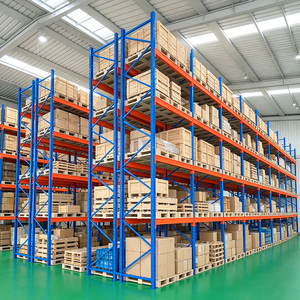
Industrial Heavy Duty Pallet Rack 1000-5000KG Load Capacity Warehouse Storage Racking System with Adjustable Shelves
Beam-and-upright selectivity for mixed pallet profiles, fast-moving MRO items and configurable warehouse layouts.
View product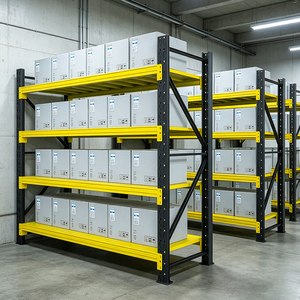
Warehouse Racking Pallet Rack warehouse Small Parts Shelves Tires Stacking Racks Shelves
A practical combination for Antofagasta mining stores that need pallet positions, small-part bins and tyre handling.
View product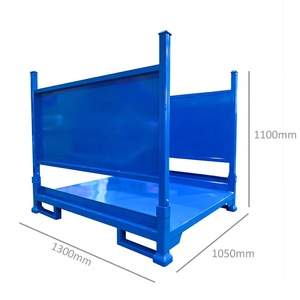
Storage Warehouse Equipment Stackable Collapsible Fabric Roll Storage Rack
Space-saving storage for rolls, technical textiles and light industrial materials with stackable, collapsible flexibility.
View product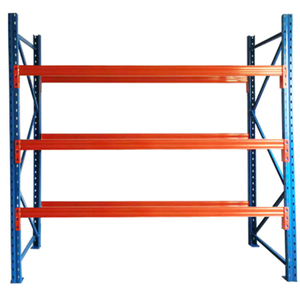
Mracking Industrial Warehouse Pallet Racking Shelving System
Scalable industrial racking and shelving for distribution centres, spare-parts warehouses and port-adjacent facilities.
View product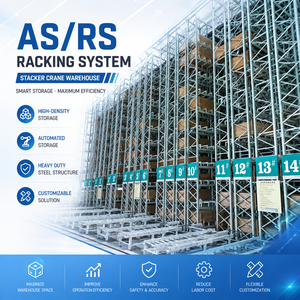
Customized ASRS Stacker Crane Pallet Racking System Heavy Duty Steel Automated Warehouse Storage Retrieval Solution
High-bay automated storage retrieval solutions for operations planning for labour efficiency and long-term scalability.
View product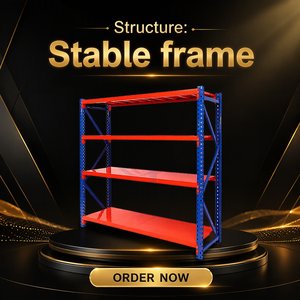
Heavy Duty Steel Selective Pallet Rack 5 Layer Load Capacity 1000kg Industrial Storage Rack
Direct access to every pallet — ideal where SKU selectivity, FIFO discipline and fast picking matter more than maximum density.
View product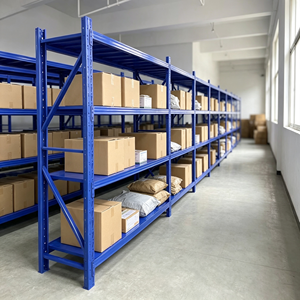
Industrial Storage Shelving Cold Rolled Steel Boltless Rivet Racks Powder Coated Corrosion Protection Warehouse Raf
Boltless rivet shelving with powder-coated protection for spare parts, consumables and dusty desert environments.
View product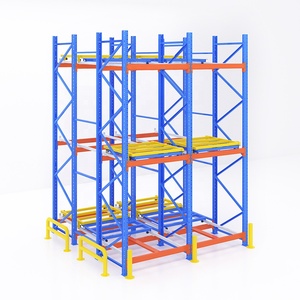
Pallet Live Rack Push Back Pallet Rack
Nested-cart push-back racking that increases pallet density in land-constrained Antofagasta warehouses with LIFO handling.
View productA Top 10 Shortlist for Antofagasta Must Start with Operational Fit
Antofagasta is not a generic warehouse market. It is a high-cost, seismic, coastal-desert logistics gateway for copper mining, port forwarding, desalination, renewable energy and regional distribution.
A push-back pallet rack uses nested carts on inclined rails. Pallets push backward along a lane and roll forward for retrieval. The result is higher storage density than selective racking while retaining more selectivity than deep drive-in systems. In a city where industrial land and construction costs are high, that density can reduce the need to expand the building envelope.
But push-back is not automatically the right answer. It works best for multiple pallets of the same SKU, medium-to-low SKU velocity and LIFO inventory. For strict FIFO food, pharmaceutical or export consignments, selective racking, pallet flow or shuttle systems may be safer. A credible exporter or wholesaler should model the trade-off instead of quoting steel by the tonne.
- Use push-back where density, truck access and building height are the binding constraints.
- Use heavy-duty selective racking where every pallet must be accessible immediately.
- Use ASRS or stacker-crane concepts only after throughput, SKU profile and maintenance capability are verified.
Indicative Capacity Index on the Same Footprint
Planning index only. Actual capacity depends on pallet dimensions, clear height, forklift type, aisle width, fire strategy, seismic bracing and local engineering review.
Where Push Rack Systems Fit Inside the Antofagasta Supply Chain
Antofagasta warehouses support mine sites, ports, customs buffers, contractors and regional distributors. The right racking layout should reflect how pallets actually move — not just how many positions fit on paper.
Mining MRO and Critical Spares
Push-back racks store multiple pallets of bearings, filters, lubricants, PPE, hoses and crusher consumables in a compact footprint. Heavy-duty selective racks remain useful for oversized components and fast-turn items that need immediate access.
Port and Customs Buffer Storage
Near the Port of Antofagasta and Mejillones, palletised cargo often waits for clearance, consolidation or dispatch. High-density push-back lanes can increase buffer capacity while retaining forklift access to each active lane.
Consumables and Packaged Goods
Where LIFO is acceptable, push-back racking improves density for packaged consumables, industrial supplies and contractor stores. Multiple pallets of the same SKU can sit in a lane, reducing aisle count without forcing deep drive-in access.
Tyre, Rubber and Workshop Storage
Tyres and rubber components need dedicated support to avoid deformation and to keep heavy items out of general pallet racks. Combining tyre racks with small-parts shelving and pallet positions improves workshop and maintenance-store control.
Fabric Rolls and Industrial Materials
Stackable and collapsible roll racks support technical textiles, geosynthetics, filtration media and industrial roll goods. They help keep long or roll-formed materials separated from palletised freight.
Seafood, Food and Cold-Chain Distribution
Cold-store projects require a different logic: FIFO, condensation control, freezer-rated materials and inspector access. Push-back may be suitable for selected non-expiry SKUs, but food and pharma flows should be validated before density is maximised.
Top 10 Push Rack System Exporter and Wholesaler Criteria for Antofagasta Procurement Teams
A genuine top-10 comparison is not a logo carousel. Use these ten filters to separate engineering-led exporters from traders that simply forward quotations.
Verified Design Basis
Ask for design assumptions, load tables, upright and beam calculations, and confirmation of EN 15512 / FEM methodology.
Chilean Seismic Competence
Confirm how bracing, anchors, base plates and beam connectors are coordinated with NCh 433 and NCh 2369 principles.
Corrosion Strategy
Coastal salt, dust and washing regimes require a coating specification — not a generic “powder coated” claim.
Density vs Selectivity Model
The exporter should compare push-back, selective, drive-in and shuttle layouts using your SKU and pallet data.
Export Packing
Container loading, bundle protection, bolt bags, installation manuals and port handling matter as much as steel quality.
Installation Supervision
Local installation quality affects safety and insurance acceptance. Confirm supervision, torque checks and handover records.
Load Signage
Every bay should receive capacity signage, load plates and inspection guidance for warehouse operatives.
Port-to-Site Logistics
Validate delivery from Antofagasta or Mejillones, customs documentation and site access constraints before order.
Bilingual Documentation
English, Spanish and Portuguese support reduces installation errors and improves communication with Chilean engineers.
Lifecycle Transparency
Spare parts, inspection intervals, repair procedures and future upgrade paths should be quoted transparently.
Antofagasta Storage Trends Shaping 2025–2028 Purchasing Decisions
Warehouse demand in northern Chile is being shaped by mining supply chains, port activity, land scarcity and stricter documentation expectations from owners, insurers and global procurement teams.
Regional Inventory Closer to Site
Mining and contractor businesses are holding more spare parts, safety stock and maintenance consumables in Antofagasta to reduce lead-time risk. High-density pallet racking and small-parts shelving are being planned together.
Higher Throughput in Fixed Space
Port-adjacent warehouses are under pressure to handle more palletised cargo without expanding. Push-back, drive-in and ASRS-ready designs are being evaluated against manual handling costs.
Documented Seismic Safety
Owners and insurers increasingly expect structural calculations, anchor schedules, installation records, load signage and inspection routines. A low-price quotation without documentation can become expensive later.
Capacity Before Construction
High land and construction costs make warehouse retrofits attractive. Re-layouts, narrow aisles, push-back lanes and mezzanines can delay or avoid a new building project.
What to Audit Before Importing Racking into Chile
- Confirm site soil category, seismic zone and anchor specification.
- Check floor flatness and slab capacity before installation.
- Require load signage, as-built drawings and inspection records.
- Specify coating systems for coastal salt, dust and washdown exposure.
Safety You Can Document — Not Just Promise
Antofagasta’s Pacific seismic belt, coastal humidity and abrasive desert dust create a combination that generic racking quotations often miss. Push-back systems introduce moving carts, rails and nested pallets, so maintenance access and inspection routines must be designed from day one.
Procurement teams should verify how the exporter handles seismic bracing, anchor selection, floor tolerance, forklift impact protection and load signage. Structural calculations should be coordinated with a locally licensed engineer when Chilean regulations or insurer requirements demand it.
For corrosion, the correct conversation is not simply “galvanised or painted”. It should cover distance to the coast, cleaning frequency, chemical exposure, coating thickness, touch-up procedures and anchor protection. In dusty mining stores, housekeeping and cart rail inspection are equally important.
Why Real Nice Racks LLC Is Shortlisted for Antofagasta Projects
Real Nice Racks LLC designs and supplies industrial storage and shelving systems for warehouses across South America, including Brazil, Chile, Peru, Colombia, Argentina, Ecuador, Uruguay and Paraguay. The company supports multinational brands and regional operators from the first site survey through layout, manufacturing, export packing, installation supervision, inspection and future upgrades.
Every layout starts with real operating data: pallet profiles, SKU velocity, forklift types, clear height, floor conditions and seismic zone. That data-led approach helps buyers compare density, selectivity and lifecycle cost before committing capital to a push-back rack installation in Antofagasta.
What Buyers Can Expect
- Structural calculations and load signage delivered with the project scope.
- Seismic coordination referencing FEM 10.2.08 / EN 16681 and Chilean code principles.
- Technical support in English, Spanish and Portuguese.
- Systems that can scale from manual picking to semi-automated storage.
- P90 pallet-racking platform for adjustable, drive-in, push-back, shuttle, mobile and narrow-aisle options.
- MOVO mobile pallet racking for cold stores and high-density warehouses.
- Export packing and shipment support to South American ports.
- Inspection, repair and retrofit services across the system lifecycle.
Push-Back vs Alternative Pallet Racking Systems
The best supplier will explain when push-back is the wrong choice. Use this comparison to align storage density with inventory control and handling cost.
| System | Selectivity | Relative Density | Best Fit in Antofagasta | Watch-Out |
|---|---|---|---|---|
| Selective Pallet Racking | High — every pallet accessible | 100 | Mining spares, fast-moving SKUs, FIFO-controlled stock and mixed pallet sizes | Needs more aisle width and floor area |
| Push-Back Rack | Medium — LIFO by lane | Approx. 125–135 | Multiple pallets of the same consumable, port buffer stock and land-constrained warehouses | Not ideal for strict FIFO or short shelf-life goods |
| Drive-In Racking | Low — deep lane access | Approx. 140–150 | Slow-moving seasonal stock with many pallets per SKU | Forklift entry risk and lower selectivity |
| Pallet Shuttle / ASRS | Medium to high, depending on control | High | Long-term automation, labour reduction and dense high-bay storage | Higher capital cost, maintenance capability and data discipline |
Density values are indicative planning ranges. Final capacity must be verified through a site-specific layout, structural calculation and operational study.
Local Procurement FAQs from Antofagasta Buyers
Practical questions asked by warehouse owners, mining contractors, port operators, EPC teams and local distributors comparing push rack exporters and wholesalers.
What is a push rack system, and is it suitable for Antofagasta mining warehouses?
A push-back rack stores pallets on nested carts that move backward along a lane. It is suitable for multiple pallets of the same SKU where LIFO is acceptable, such as filters, lubricants, PPE or maintenance consumables. It is less suitable for strict FIFO stock or highly variable pallet types.
Can push-back racking be seismically designed for Chile?
Yes, but it must be engineered for the site. Seismic design typically references FEM 10.2.08 / EN 16681 and is coordinated with Chilean requirements such as NCh 433 and NCh 2369 principles. Anchors, base plates, bracing and beam connectors must be specified for the site’s seismic zone and soil conditions.
How do we choose between push-back and selective racking?
Choose selective racking when every SKU must be accessible immediately, when FIFO is mandatory or when pallet sizes vary sharply. Choose push-back when density matters more, the same SKU occupies multiple pallets, LIFO is acceptable and the forklift fleet can handle cart engagement safely.
What about corrosion from coastal salt and Atacama dust?
Specify the coating system for the actual exposure: distance to the coast, humidity, dust, washing, chemicals and expected service life. Powder coating, galvanising or enhanced paint systems may be appropriate, but the buyer should also plan anchor protection, touch-up procedures and regular inspection.
Can racking be shipped to Antofagasta or Mejillones and installed locally?
Yes. Projects can be export-packed for shipment to northern Chilean ports, followed by supervised installation and handover. Confirm site access, crane availability, container unloading, storage space and installation sequence before dispatch to reduce delays and damage.
What information is needed for an accurate quotation?
Provide the warehouse location, floor plan, clear height, pallet dimensions, load per pallet, SKU velocity, forklift type, floor condition, seismic zone, fire strategy and target capacity. Photos and any existing rack inspection reports also help the engineering team produce a realistic layout.
Planning a High-Density Push Rack Project in Antofagasta?
Share your warehouse location, clear height, pallet profile, forklift type and target capacity. Our team can compare push-back, selective, drive-in, shuttle and ASRS-ready configurations, then prepare a quotation and technical documentation path for Chilean project review.