Blog
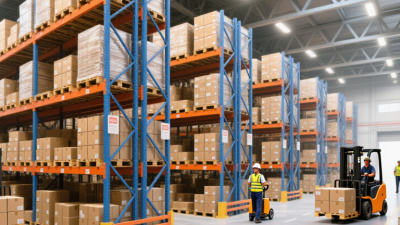
Why Choose Pallet Racking for Your Warehouse?
A warehouse can look spacious at the loading door and feel crowded by mid-shift. Pallets sit in travel lanes, pickers take longer routes, and overflow stock hides behind fast-moving items. Pallet Racking offers a practical way to use vertical space and make stored goods easier to locate. The right layout can also support clearer replenishment and picking routines. But racks are not magic. Poorly planned aisles or unsuitable beam levels can create new bottlenecks.
The cost of logistics makes storage decisions worth examining. The Council of Supply Chain Management Professionals’ 2024 State of Logistics Report estimated U.S. business logistics costs at $2.374 trillion in 2023, or 8.7% of GDP. MHI’s 2024 Annual Industry Report also found that 55% of surveyed supply-chain professionals planned to increase technology investment. These figures do not prove that racking alone reduces costs. They do show why operators are reviewing how space, equipment, and processes work together. Start with the inventory: pallet dimensions, load weights, turnover rates, and handling equipment all matter. Then compare selective, drive-in, or other rack configurations against actual workflows, not just a floor plan. Leave room for inspection and safe movement. A detailed assessment may feel slow. It is still better than discovering, after installation, that the busiest pick face sits too far away.
Read more »
 By:Ethan
- November 16, 2026
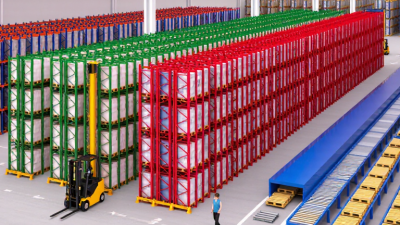
What Are the Top Types of Pallet Storage Racking Systems?
A well-chosen Pallet Storage Racking System does more than hold pallets. It shapes how quickly staff can reach stock, how much floor space remains open, and how safely loads move through a warehouse. The choice is practical: a distributor with fast-moving cartons may need different access than a facility storing seasonal goods in deep lanes. Small details matter, including pallet dimensions, forklift turning space, beam levels, and the weight of each load.
Industry data points to why these decisions deserve care. MHI’s 2024 Annual Industry Report found that 55% of surveyed supply-chain leaders planned to increase investment in technology over the next five years. That figure is not a rack-sales statistic, but it reflects pressure to make storage and material handling more efficient. Rack Manufacturers Institute (RMI) guidance also emphasizes that rack capacity depends on the specific frame, beam, configuration, and installed conditions—not simply a product label.
For an individual expert quotation, a verifiable published source is needed; no quotation is supplied here rather than inventing one. With that evidence-based starting point, this guide compares selective, drive-in, push-back, pallet-flow, and other common rack types. Each has trade-offs. More storage density can mean less direct access, and a layout that looks efficient on paper may frustrate operators in a busy aisle.
Read more »
 By:Charlotte
- November 16, 2026
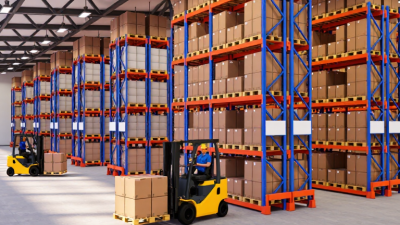
China Top 10 Pallet Rack Systems Manufacturers?
China is home to many manufacturers of warehouse storage equipment, but choosing a supplier takes more than comparing prices. The right Pallet Rack Systems must suit your inventory, building layout, handling equipment, and expected storage demands. A rack that looks sturdy in a product photo may not fit your forklift aisle or daily picking routine. Small details matter.
This guide introduces ten Chinese manufacturers and offers practical points for comparing their products and services. The selection considers factors such as product range, customization, manufacturing experience, quality processes, and the clarity of technical support. These factors can help narrow a shortlist, though they cannot replace independent checks. Ask for drawings, load information, material specifications, and installation guidance before making a decision. See it in context.
Manufacturer claims are worth reviewing carefully. Buyers should verify relevant certificates, inspect samples or completed projects where practical, and confirm how after-sales issues are handled. A supplier’s suitability depends on the project, not just its position in a list. No ranking fits everyone. Even experienced buyers may discover that a promising option needs closer scrutiny once site measurements and operating needs are clear. Use this overview as a starting point, then compare quotations and documentation against your actual warehouse requirements.
Read more »
 By:Amelia
- November 16, 2026